26 DIY Outdoor Bench Ideas for 2026
A porch with no bench is a porch nobody sits on, because the porch with nowhere to sit is the porch you walk past and the garden with nowhere to sit is the garden you look at through the window. The fix is not a shop-bought bench, it is a DIY outdoor bench you built yourself — one that fits the porch, holds the cushions, and looks like it was always there.
These 26 DIY outdoor bench ideas are sturdy handmade benches for porches and gardens: start with a simple 2×4 bench, add a storage bench with a lift-up seat, build a curved bench around a tree, and finish with a sage-painted porch bench with thick cushions — so the porch and the garden both have somewhere to sit.
Every idea below works in a real garden, from a small balcony with one narrow wall to a big backyard with a fire pit and a patio table. The yard the bench sits in is covered in 26 DIY Yard Decor Ideas for 2026, where the whole garden gets its look before the bench arrives — and the toys that end up on the porch are in 20 Outdoor Toy Storage Ideas for 2026, so the bench never becomes the toy pile. Pick three ideas that fit your space, start with the simple bench, and build from there.
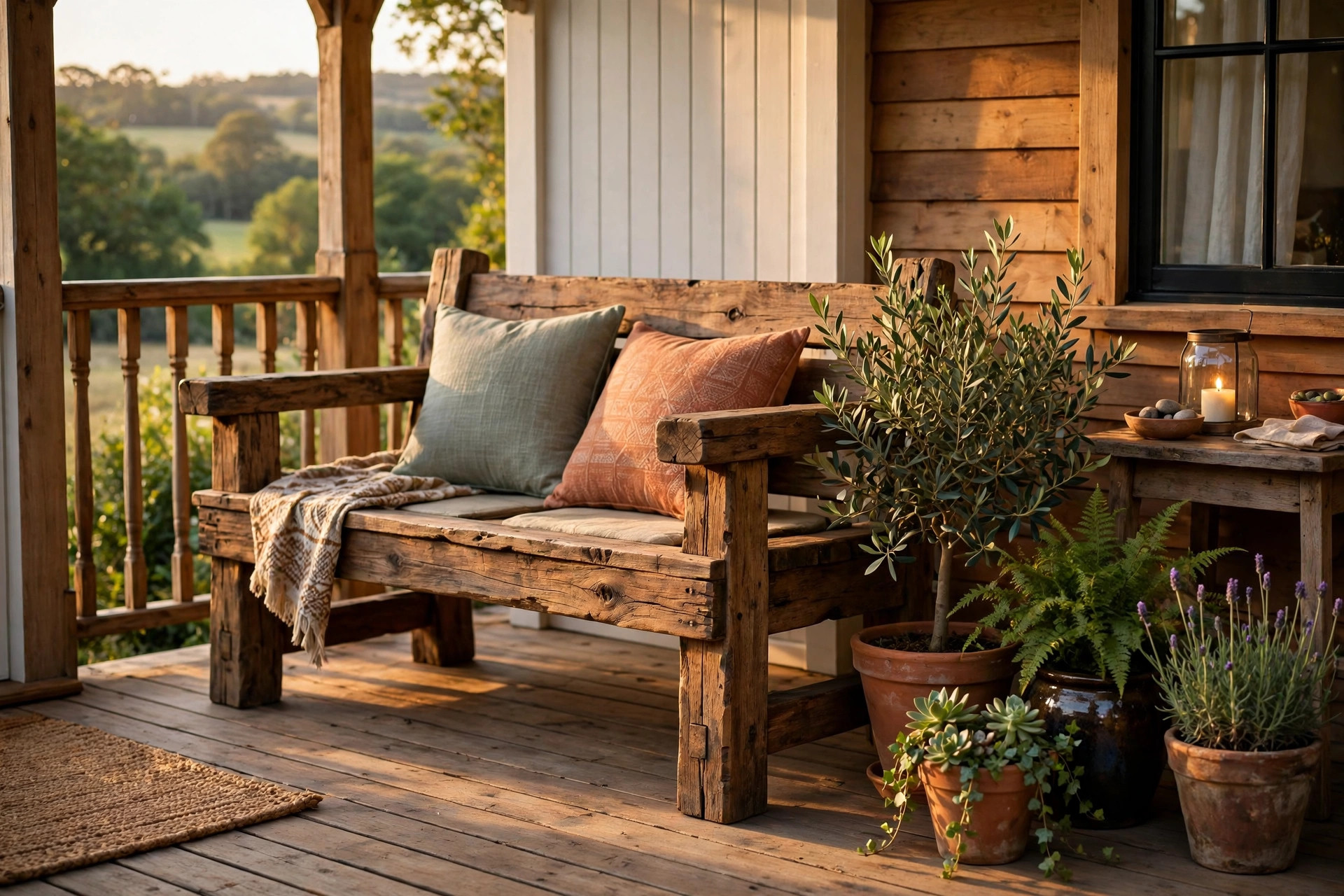
Start simple: a bench from boards, blocks and old things
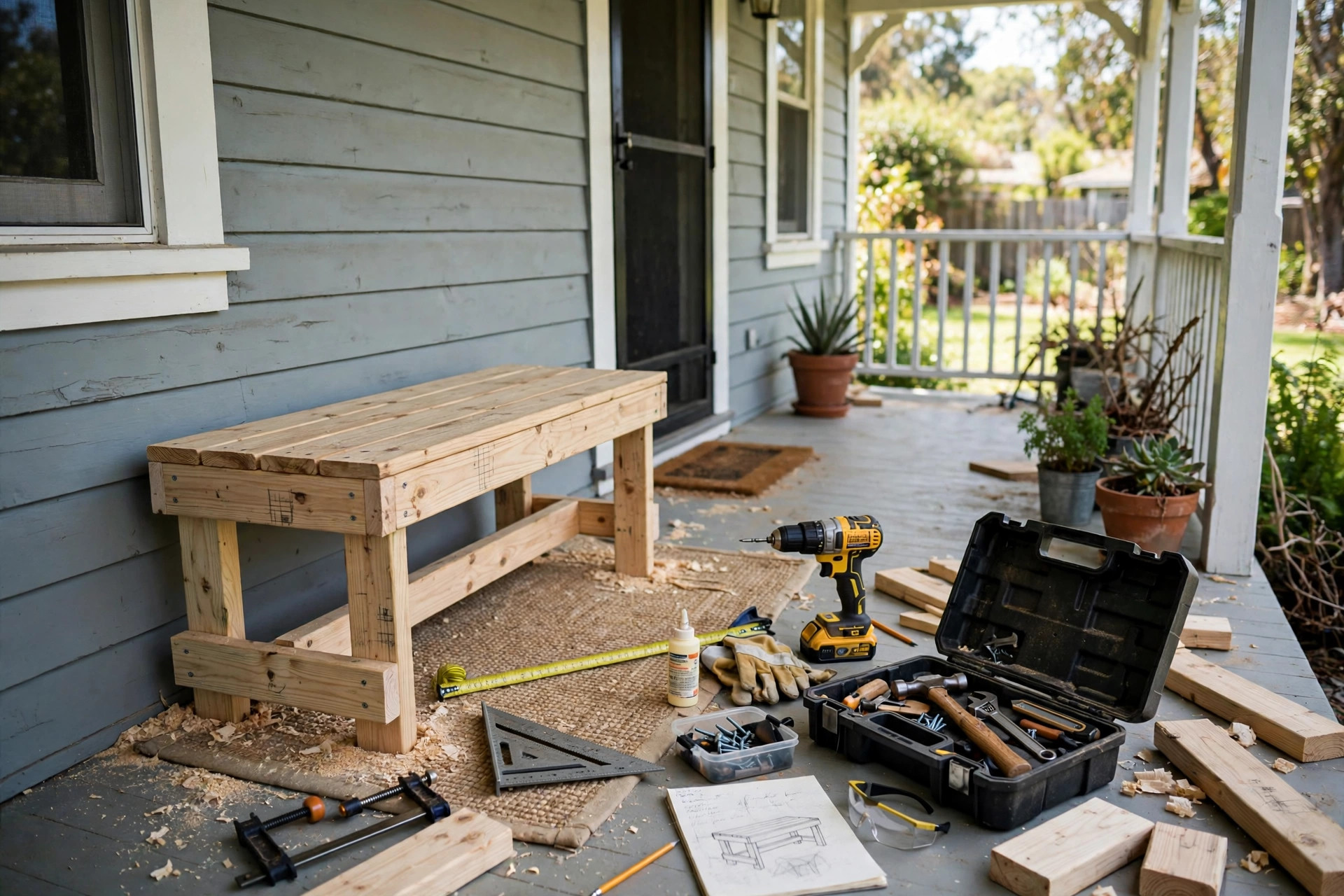
1. A simple two-board bench from 2x4s — the bench every beginner builds first
A bench that needs a workshop is a bench that never gets built, because the workshop is the thing you do not have and the bench is the thing that stays on the list. Build the simple one first — the bench every beginner builds first — so the bench exists by Sunday and the porch has a seat. Cut two boards for the seat, four short legs, and two stretchers underneath, screw it together with exterior screws, and sand the top smooth, because the sanded top is the top nobody gets a splinter from. Paint it or oil it before the first rain, because the bench that is sealed is the bench that lasts the winter. Two boards, four legs, and the porch has a bench. (Check on Amazon for exterior wood screws in a weatherproof finish, which will not rust and stain the wood.)
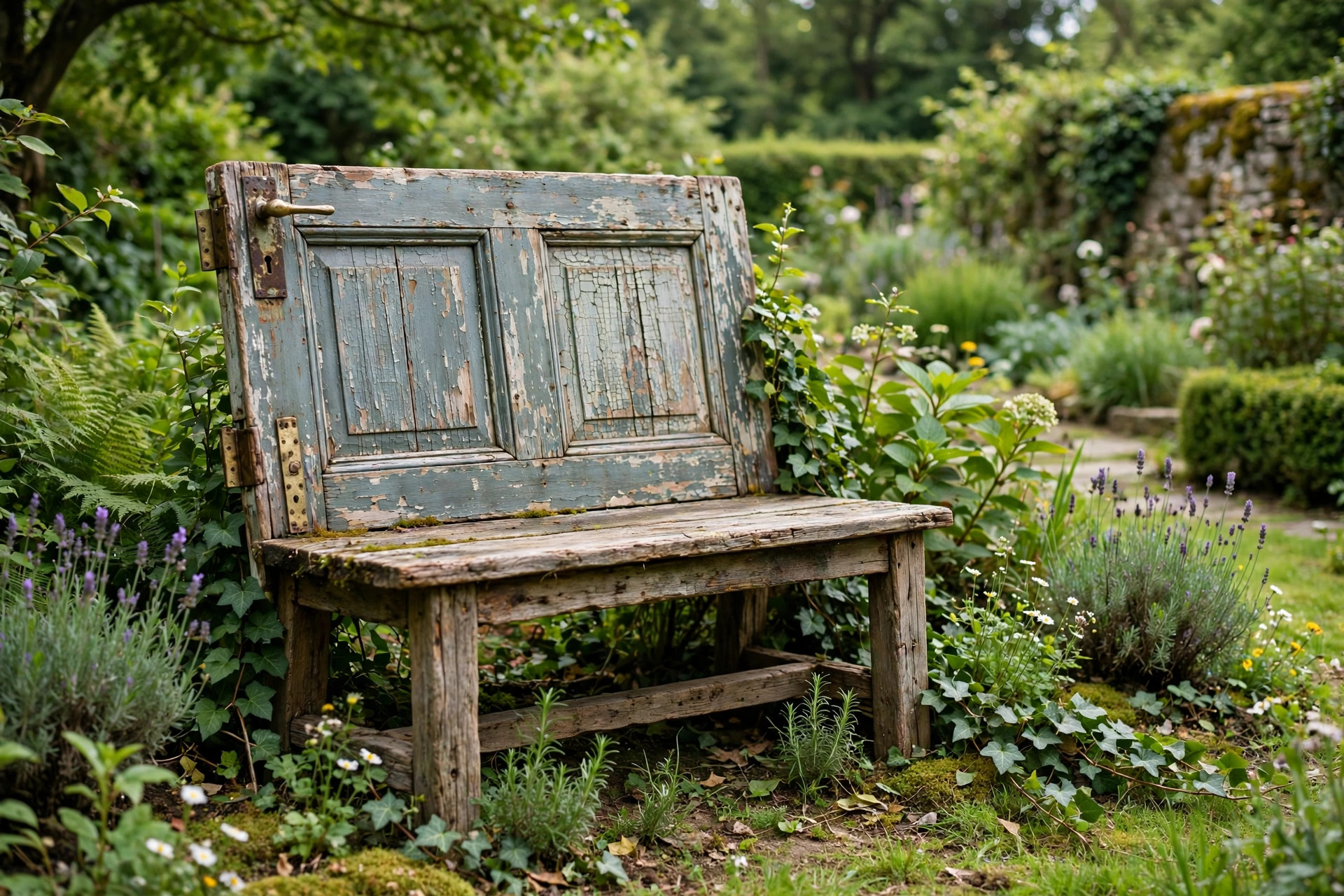
2. A bench from a reclaimed door — the old door becomes a seat
An old door leaning against the garage is a door doing nothing, because the door that came off its hinges is the door nobody has a use for. Turn it into a bench — the old door becomes a seat — so the door holds people instead of a doorway and the garden gains a bench with a story. Cut the door to seat length, build a simple leg frame underneath, and use the door panels as the seat, because the panels are the detail and the frame is the strength. Sand it well and seal it twice, because the door that was indoors is the door that needs weatherproofing now. An old door, a leg frame, and the porch has a bench with a past.
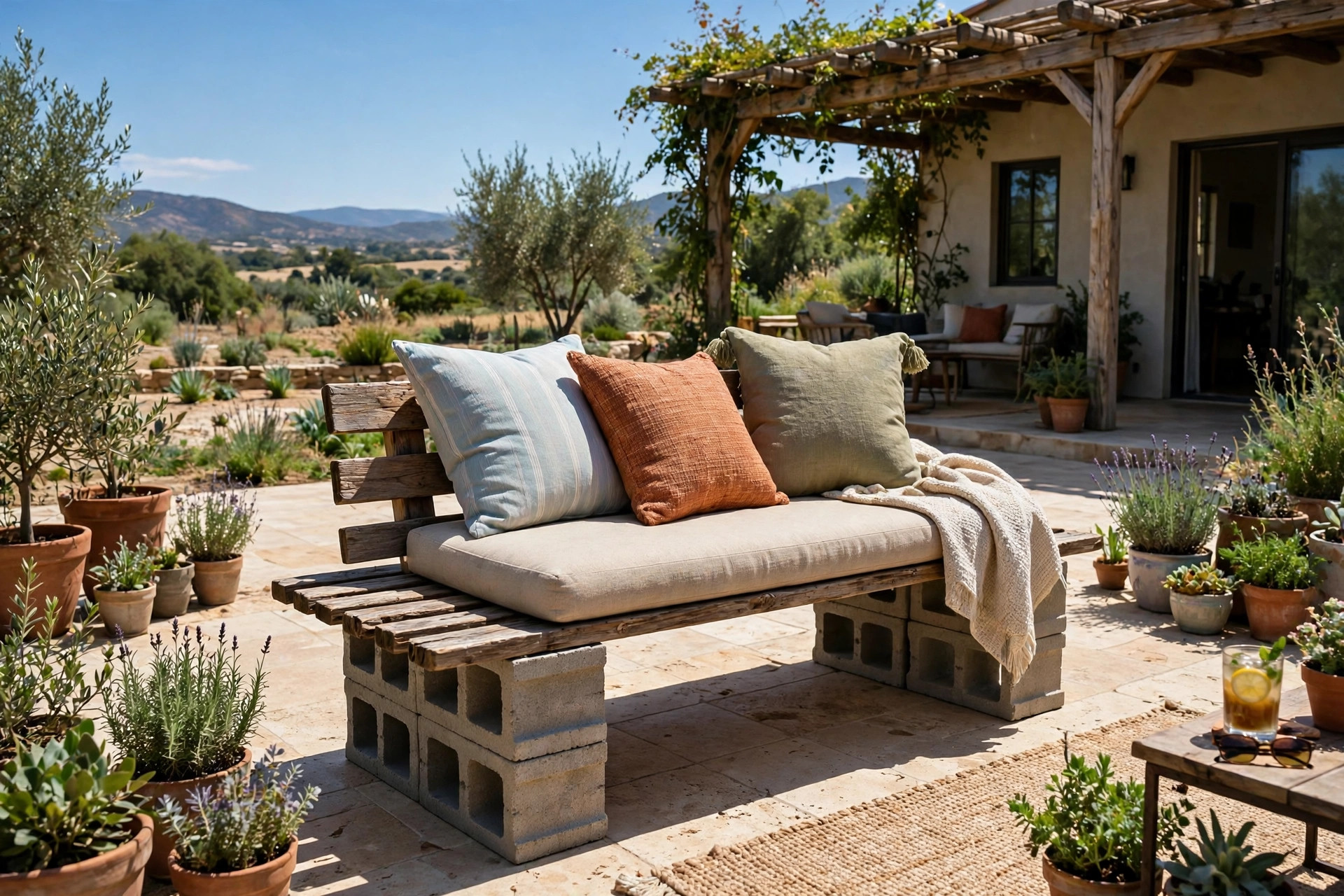
3. A cinder-block bench with wooden slats — no sawing, just stacking
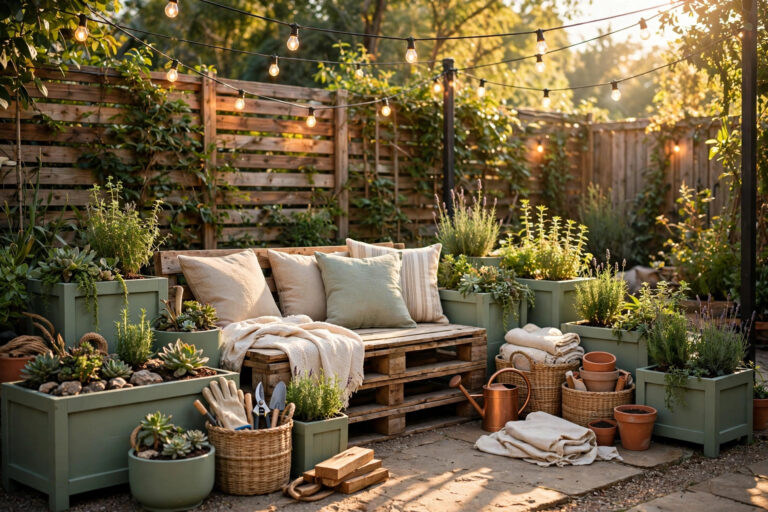
A bench that needs a saw is a bench that waits for a weekend with tools, because the saw is the thing you have to borrow and the weekend is the thing that never comes. Stack this one instead — no sawing, just stacking — so the bench is finished in an afternoon with no power tools at all. Stack cinder blocks into two pillars, slide wooden slats through the holes, and add a cushion on top, because the blocks are the legs and the slats are the seat. Paint the blocks to match the house, because the blocks that match are the blocks that look like a design choice. Two pillars, three slats, and the patio has a bench.
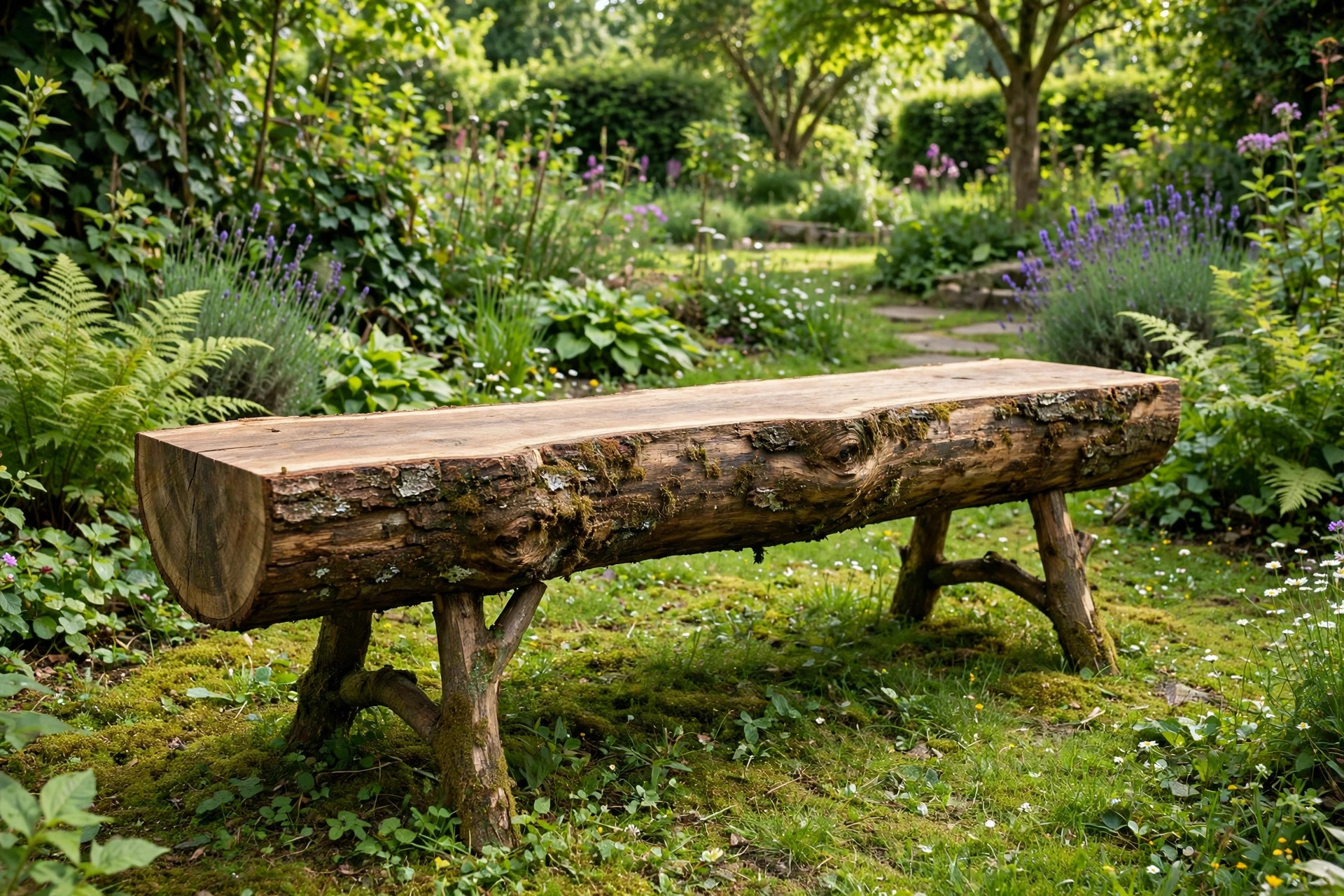
4. A bench from a fallen tree or a log — the garden's own bench
A fallen tree in the garden is a tree you have to move, because the tree that came down is the tree in the way of the lawn. Turn the biggest piece into a bench — the garden's own bench — so the tree stays in the garden as a seat instead of leaving as firewood. Cut a log to seat length, flatten the top with a saw or an adze, and level it on two short log legs, because the flat top is the seat and the legs are the balance. Let the log dry for a few weeks before you seal it, because the log that is still wet is the log that cracks as it dries. One log, two legs, and the garden has a bench that grew there.
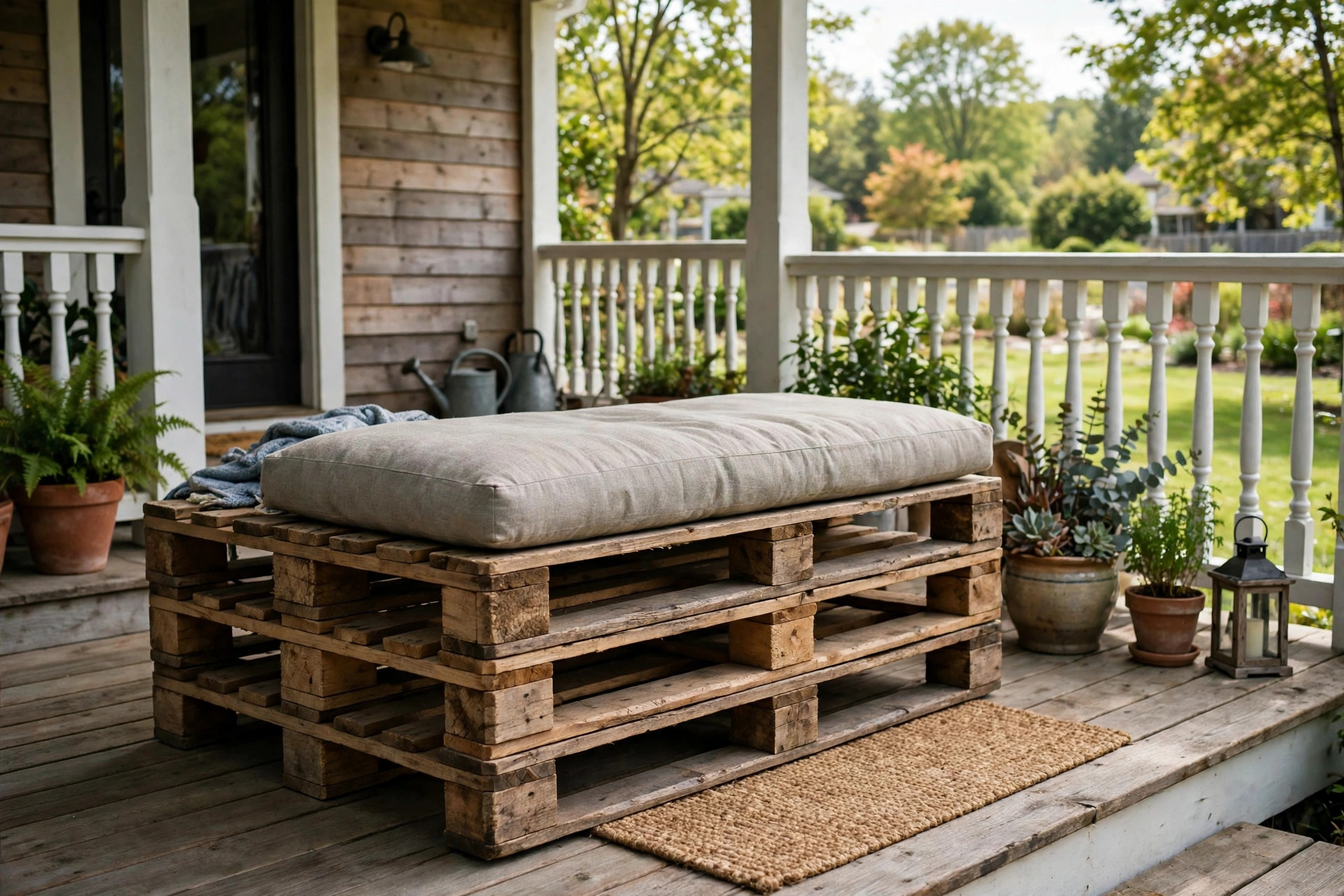
5. A pallet bench — pallets, screws and a cushion
Pallets stacked behind a shop are pallets going to waste, because the pallet nobody claims is the pallet that gets thrown away. Turn two of them into a bench — pallets, screws and a cushion — so the bench costs almost nothing and the porch gains a seat by the weekend. Stack one pallet for the base and one for the back, screw them together, sand every edge, and put a cushion on top, because the cushion is the comfort and the sanding is the safety. Check the pallets for the heat-treatment stamp before you build, because the stamped pallet is the safe pallet and the unstamped one stays behind the shop. Two pallets, a cushion, and the porch has a bench.
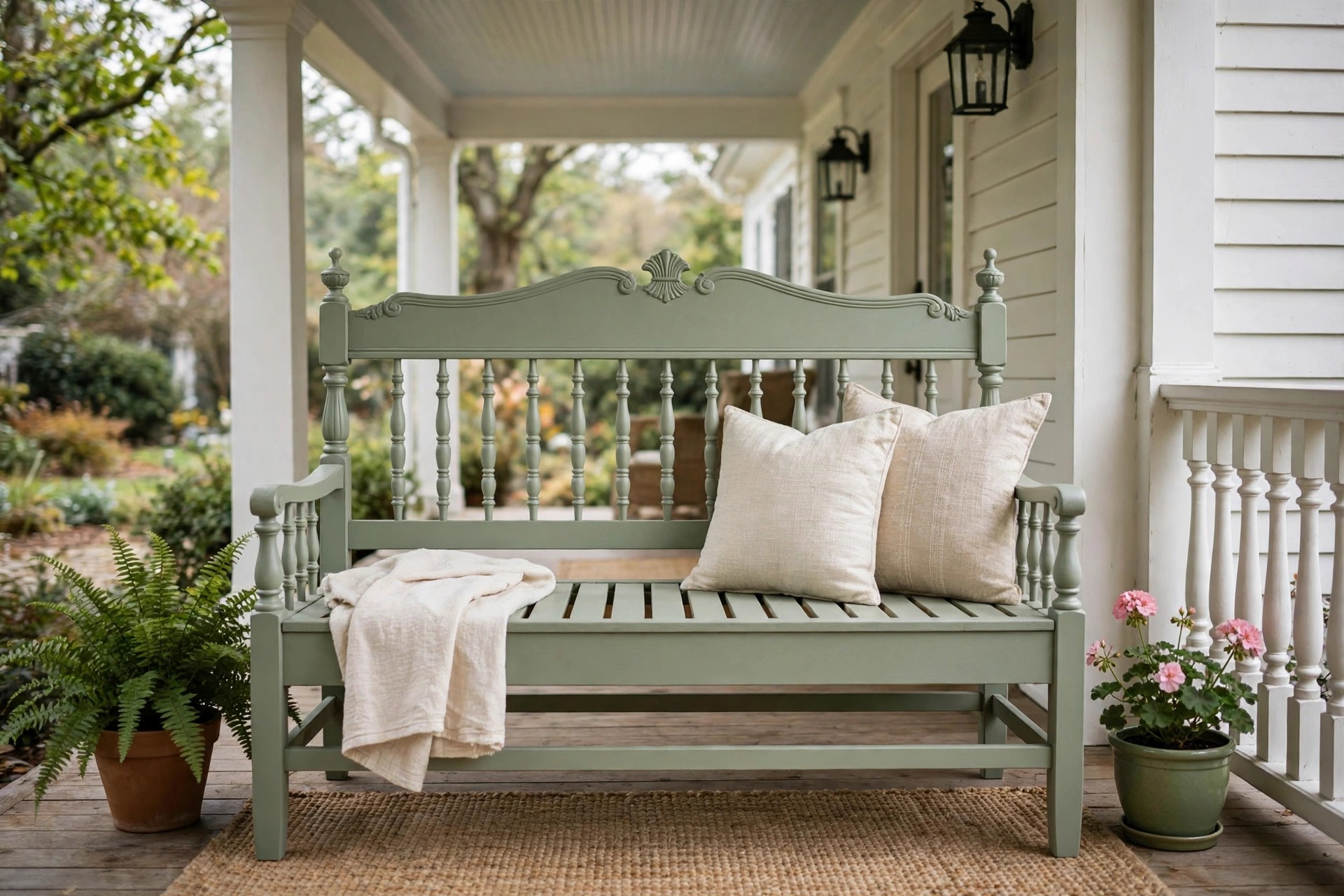
6. A bench from an old bed frame or headboard — the headboard becomes a backrest
A bed frame with no mattress is a frame in the spare room, because the frame nobody sleeps in is the frame nobody looks at. Turn it into a bench — the headboard becomes a backrest — so the bed becomes a seat and the porch gains a bench with a back. Use the headboard as the backrest, the side rails as the seat frame, and add slats across the rails for the seat, because the headboard is the shape and the rails are the strength. Cut the legs to bench height, about 18 inches, and paint the whole thing one colour, because the bench that is one colour is the bench that looks bought. A bed frame, a saw, and the porch has a bench with a backrest.
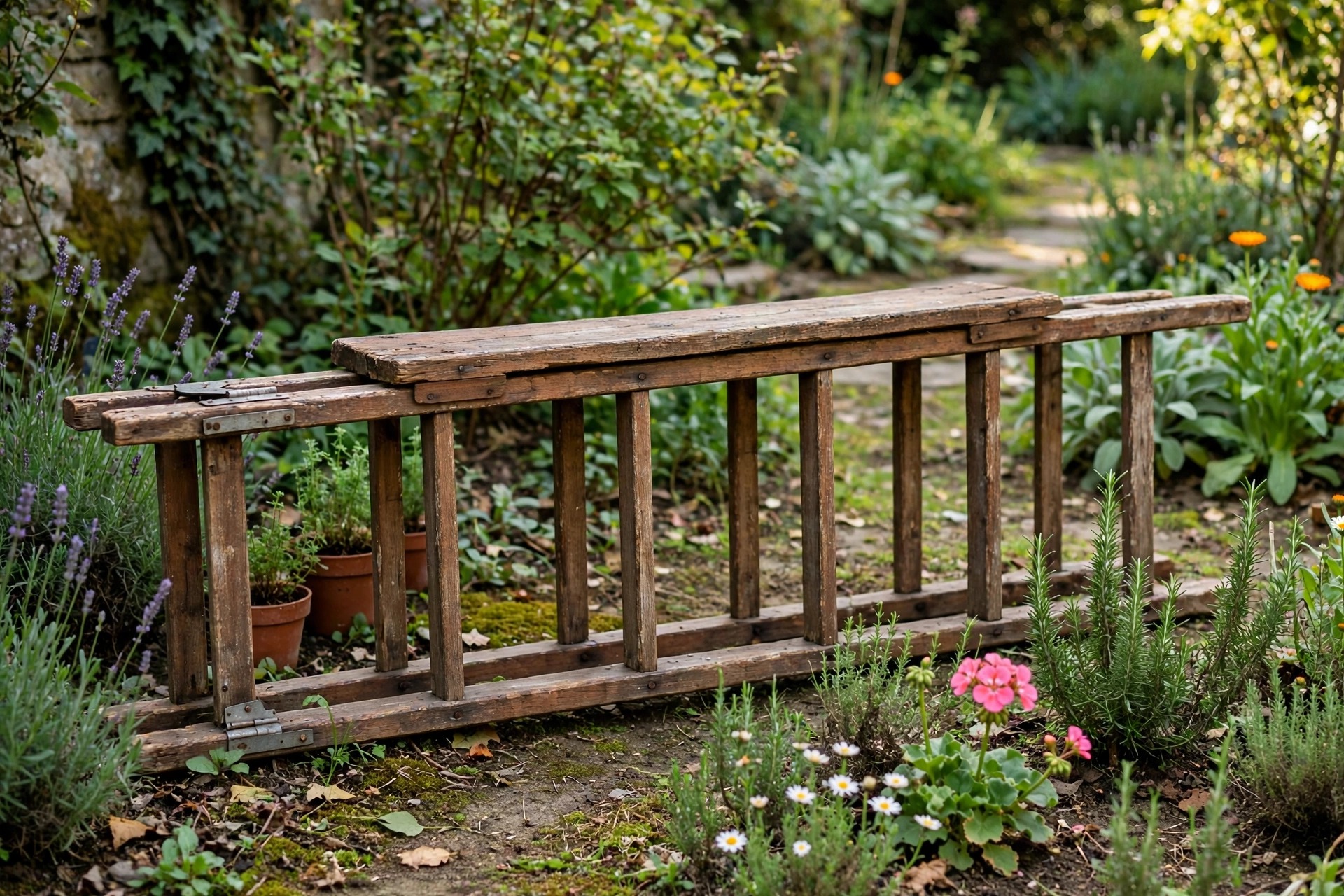
7. A bench from a wooden ladder — the ladder nobody climbs becomes a seat
A wooden ladder with a broken rung is a ladder nobody climbs, because the rung that is broken is the rung that makes it unsafe. Lay it on its side and turn it into a bench — the ladder nobody climbs becomes a seat — so the ladder holds people instead of paint pots. Cut the ladder to seat length, add a board across the rungs for the seat, and screw short legs underneath, because the rungs are the frame and the board is the seat. Sand the rungs smooth where hands will touch them, because the rung that is rough is the rung that splinters. One ladder, one board, and the garden has a bench.
Benches with storage built in
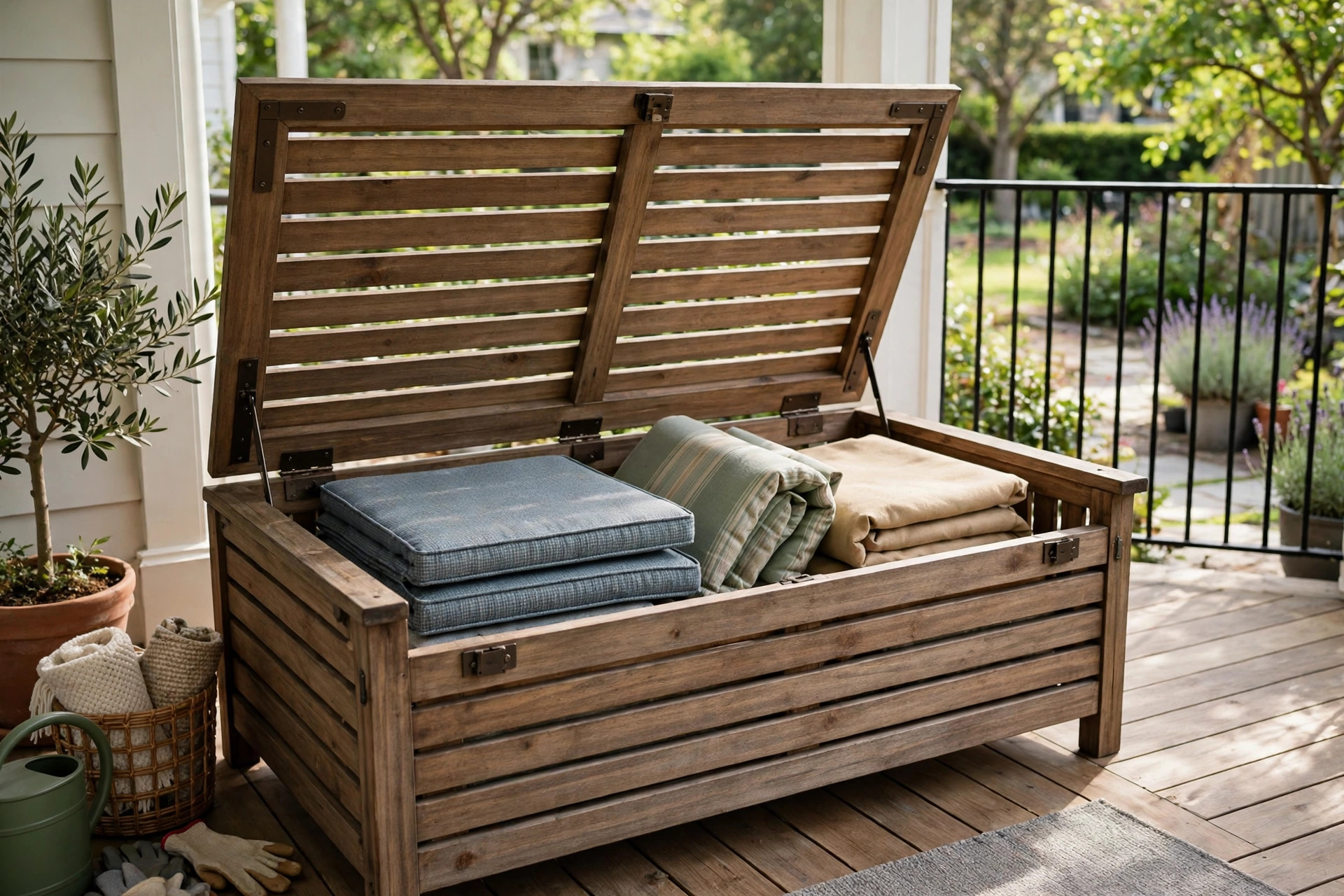
8. A storage bench with a lift-up seat — cushions and toys hide inside
A porch with cushions everywhere is a porch that looks messy, because the cushions are the things with nowhere to go and the porch is the place they pile up. Build the storage into the bench — cushions and toys hide inside — so the bench is a seat and a cupboard in one. Build a box with a hinged lid, put the seat on the hinge, and store the cushions, the dog toys and the garden gloves inside, because the lid is the seat and the box is the storage. Add a small gap under the lid so little fingers do not get caught, because the bench that is safe is the bench the children can use. One box, one hinge, and the porch is tidy.
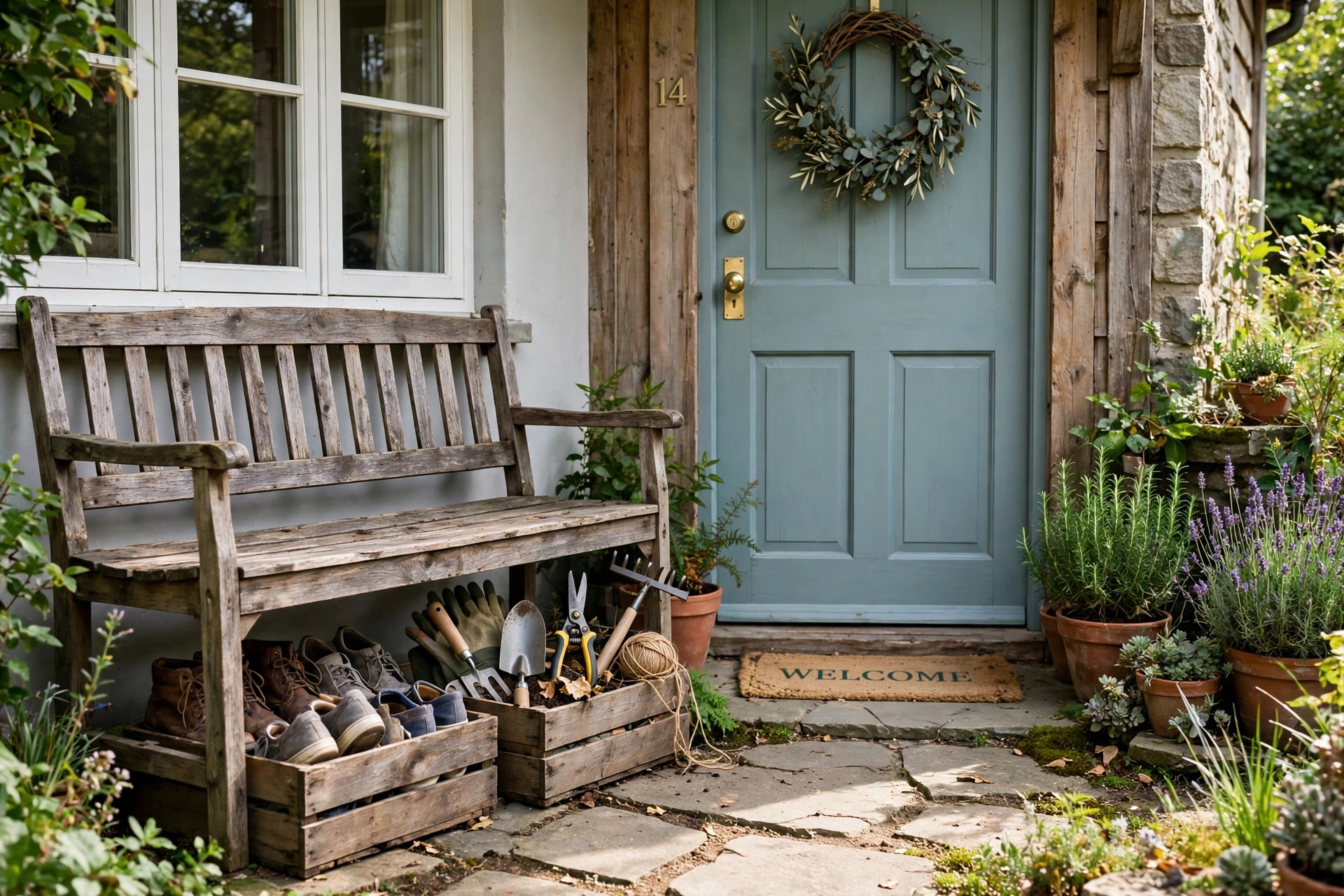
9. A bench with crates underneath — shoes and garden tools in crates
Shoes by the front door are shoes in a pile, because the shoes that come off are the shoes that land where they land. Put crates under the bench — shoes and garden tools in crates — so every pair has a crate and the pile becomes a row. Slide wooden crates under the bench seat, one crate per person or per job, and label them if you like, because the crate that is labelled is the crate that gets used properly. Keep the garden tools in one crate and the shoes in another, because the crate that holds tools is the crate that stays outside the door. Crates under a bench, and the front door is clear. (Check on Amazon for stackable wooden crates in a size that fits under a bench seat, so the crates slide in and out without catching.)
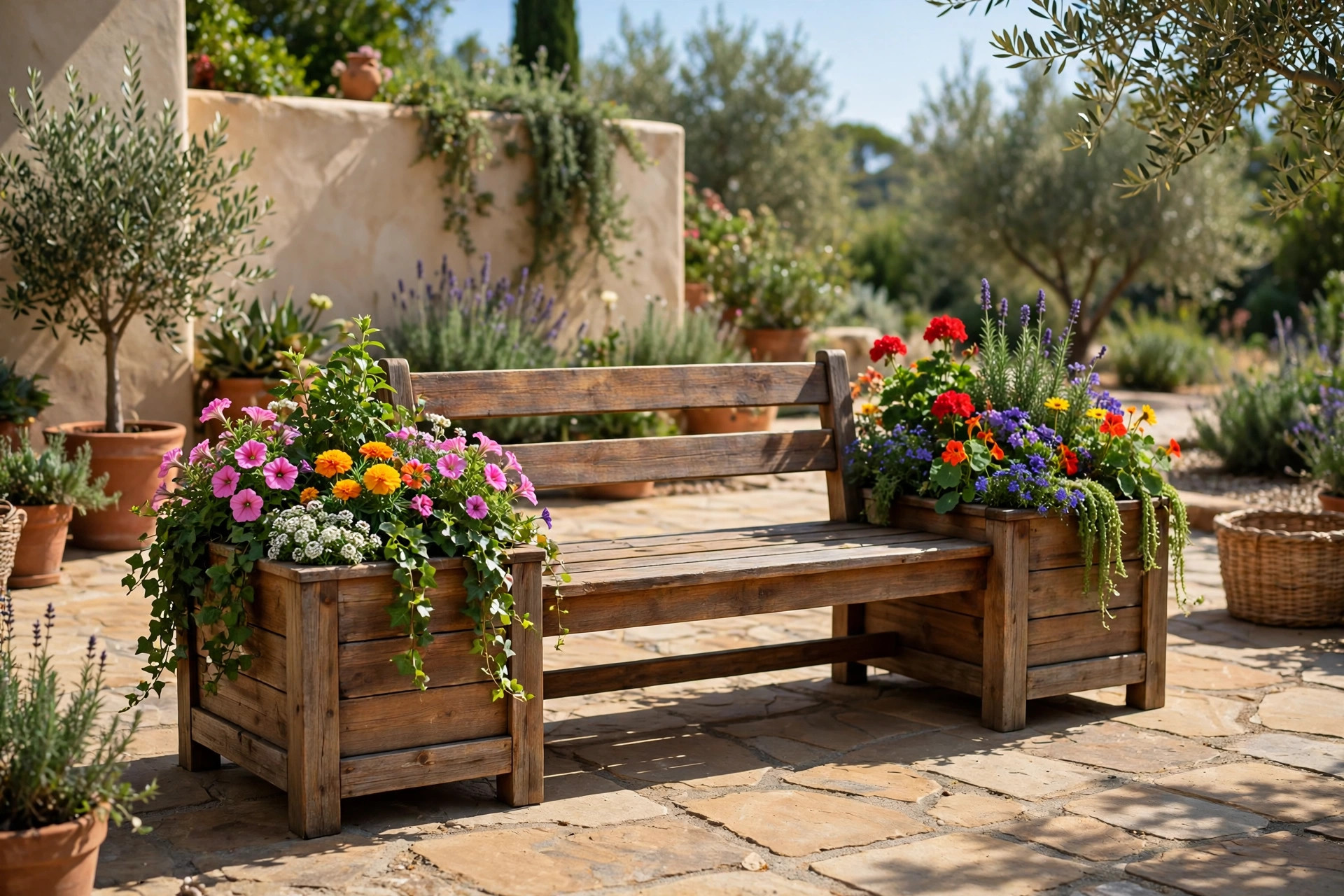
10. A bench with a planter box at each end — plants and a seat in one build
A bench with nothing at either end is a bench that looks unfinished, because the ends are the places where the eye stops and the eye stops at nothing. Build a planter box at each end — plants and a seat in one build — so the bench grows flowers at both ends and the porch looks planted. Build two shallow boxes, line them with plastic, fill them with soil, and plant something that trails, because the trailing plant is the plant that softens the bench. Water the planters when you water the garden, and the bench waters itself into the garden. Two boxes, two plants, and the bench is part of the garden.
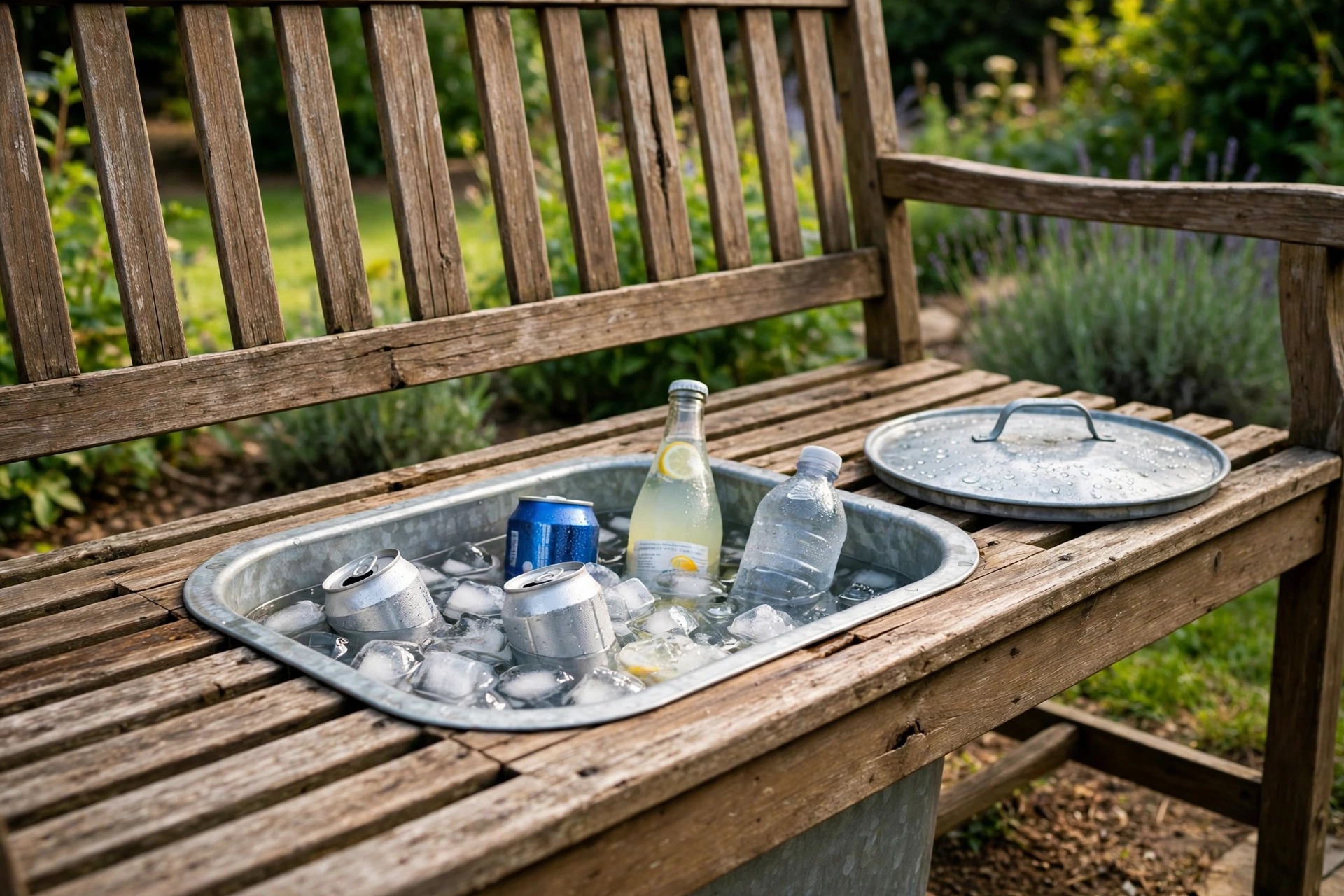
11. A bench with a built-in cooler — cold drinks under the seat
A garden party with drinks in the kitchen is a party with everyone walking back and forth, because the drinks are the things that live inside and the garden is the place everyone sits. Build the cooler into the bench — cold drinks under the seat — so the drinks sit where the people sit and nobody walks back to the kitchen. Cut a hole in the seat, drop in a metal tub or an old ice box, and put the lid back on top, because the tub is the cooler and the lid is the seat. Drain the tub after the party, because the tub that stays full is the tub that goes stagnant. A tub under the seat, and the garden party stays in the garden.
12. A bench with hooks underneath — coats and dog leads off the porch floor
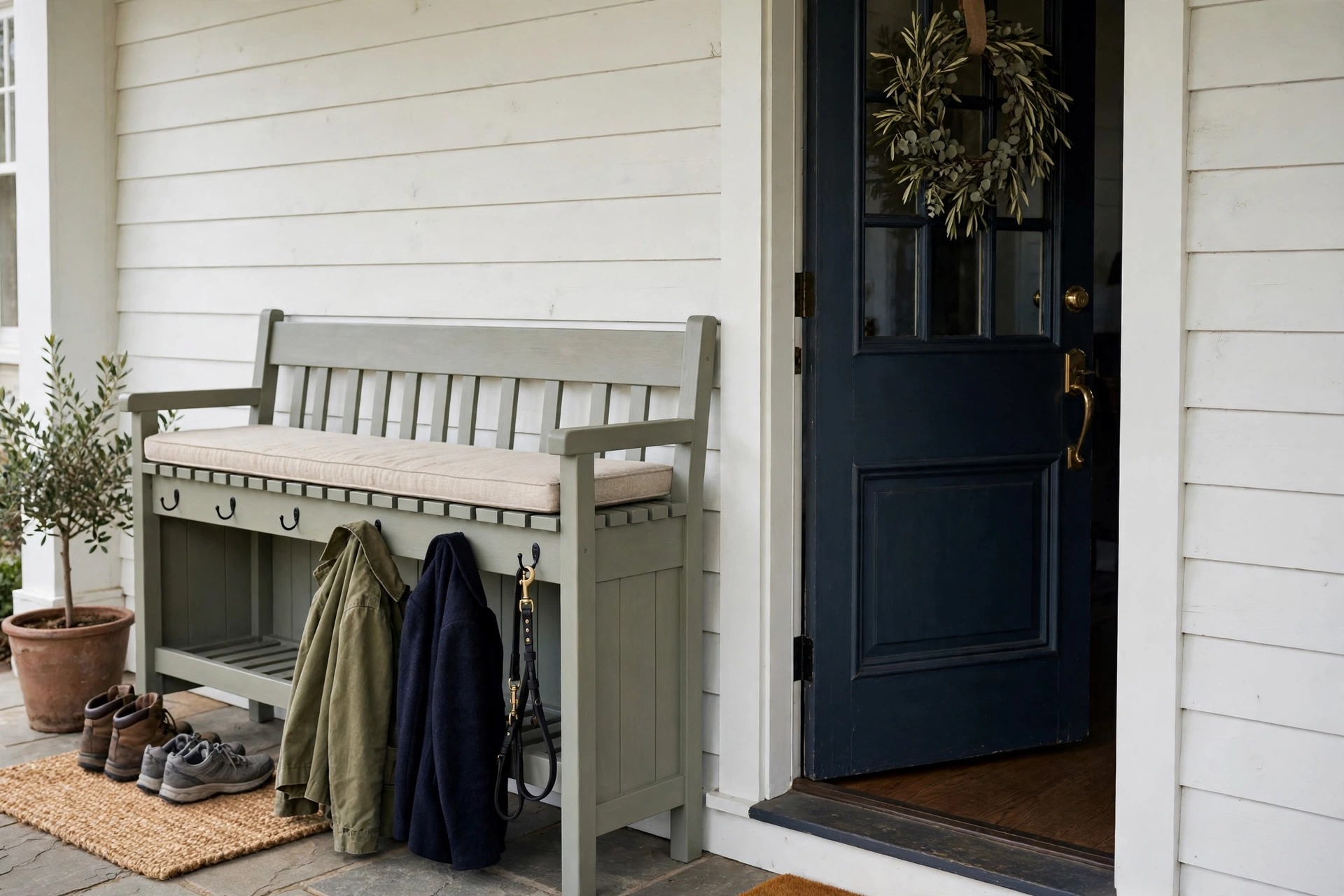
Coats on the porch floor are coats in a heap, because the coat that comes off is the coat that lands where it lands. Put hooks under the bench — coats and dog leads off the porch floor — so the coats hang under the seat and the floor stays clear. Screw a row of hooks under the front edge of the seat, hang the coats and the dog lead on them, and keep the bench by the door, because the hooks that are by the door are the hooks that get used. Keep the hooks low enough for the children to reach, because the hook the child can reach is the hook the child uses. Hooks under a bench, and the porch floor is empty.
13. A bench with a drawer under the seat — the drawer that hides the clutter
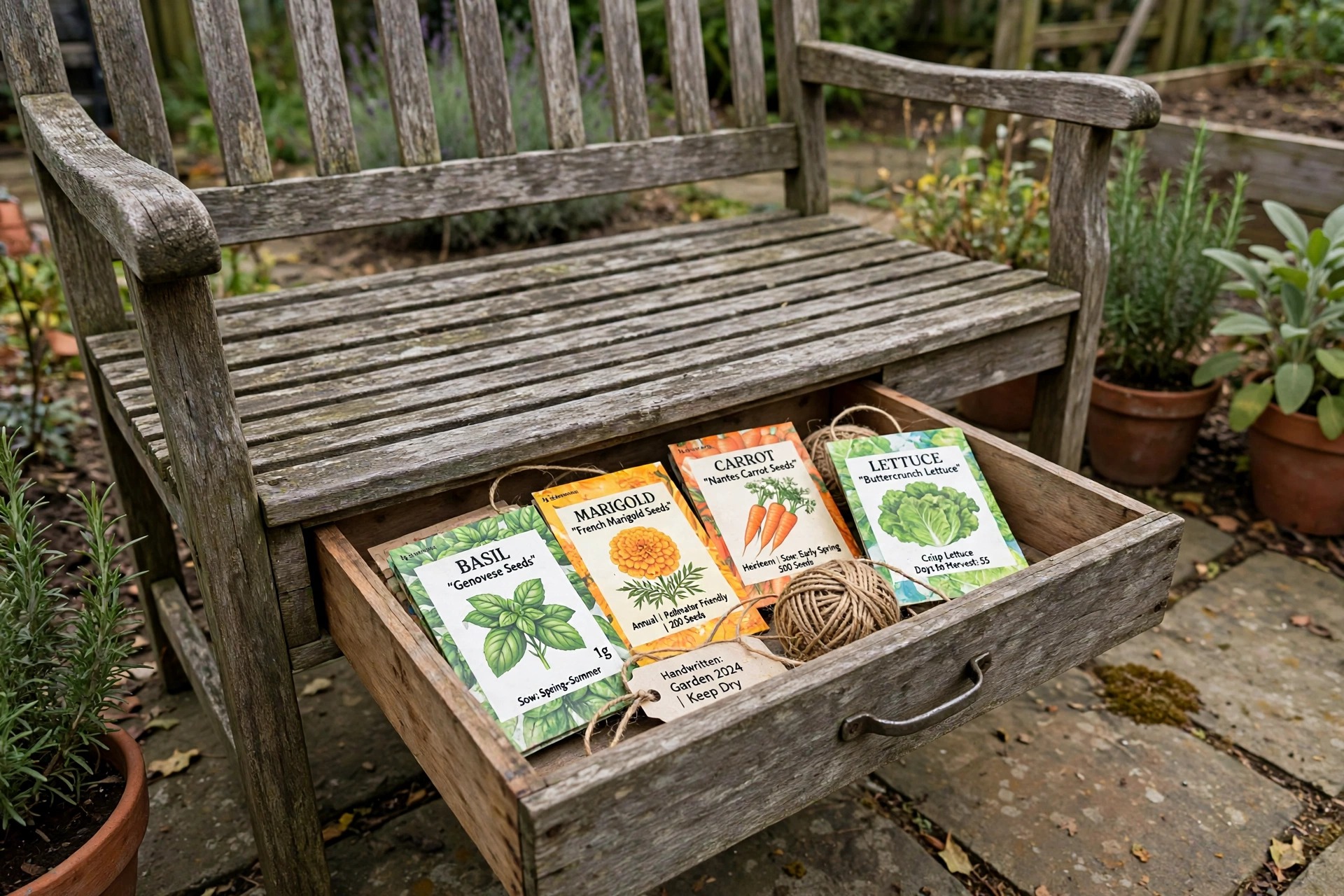
A bench with nowhere to put the small things is a bench with small things on it, because the seed packets and the twine are the things that live on the seat. Build a drawer under the seat — the drawer that hides the clutter — so the small things live in the drawer and the seat stays a seat. Build a shallow drawer on runners, slide it under the seat, and put the seed packets, the twine and the gloves inside, because the drawer is the hiding place and the seat is the sitting place. Keep the drawer shallow, because the shallow drawer is the drawer that does not catch on the legs. One drawer, and the bench seat is clear.
Benches for porches, patios and gardens
14. A farmhouse porch bench with a high back — the bench that suits the porch
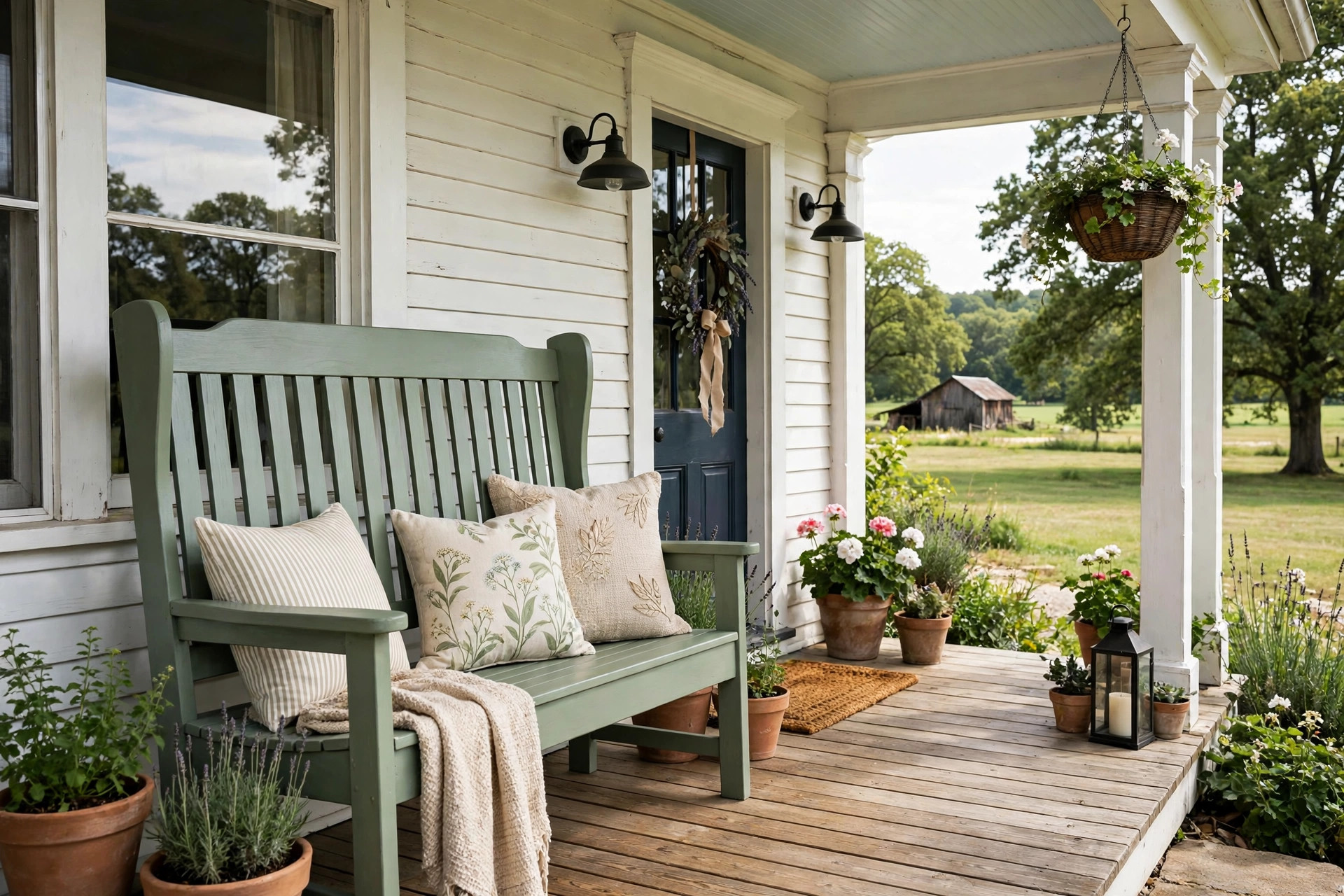
A porch bench with no back is a bench you lean against the wall to use, because the back is the thing that is missing and the wall is the thing that does the job instead. Build the back into the bench — the bench that suits the porch — so the bench stands on its own and the porch looks like a farmhouse. Build a high back from vertical slats, add a seat and two armrests, and paint it white or sage, because the colour is the farmhouse and the slats are the shape. Put it where the porch is widest, because the bench that has room is the bench that gets sat on. A high back, a sage coat, and the porch looks like a farmhouse.
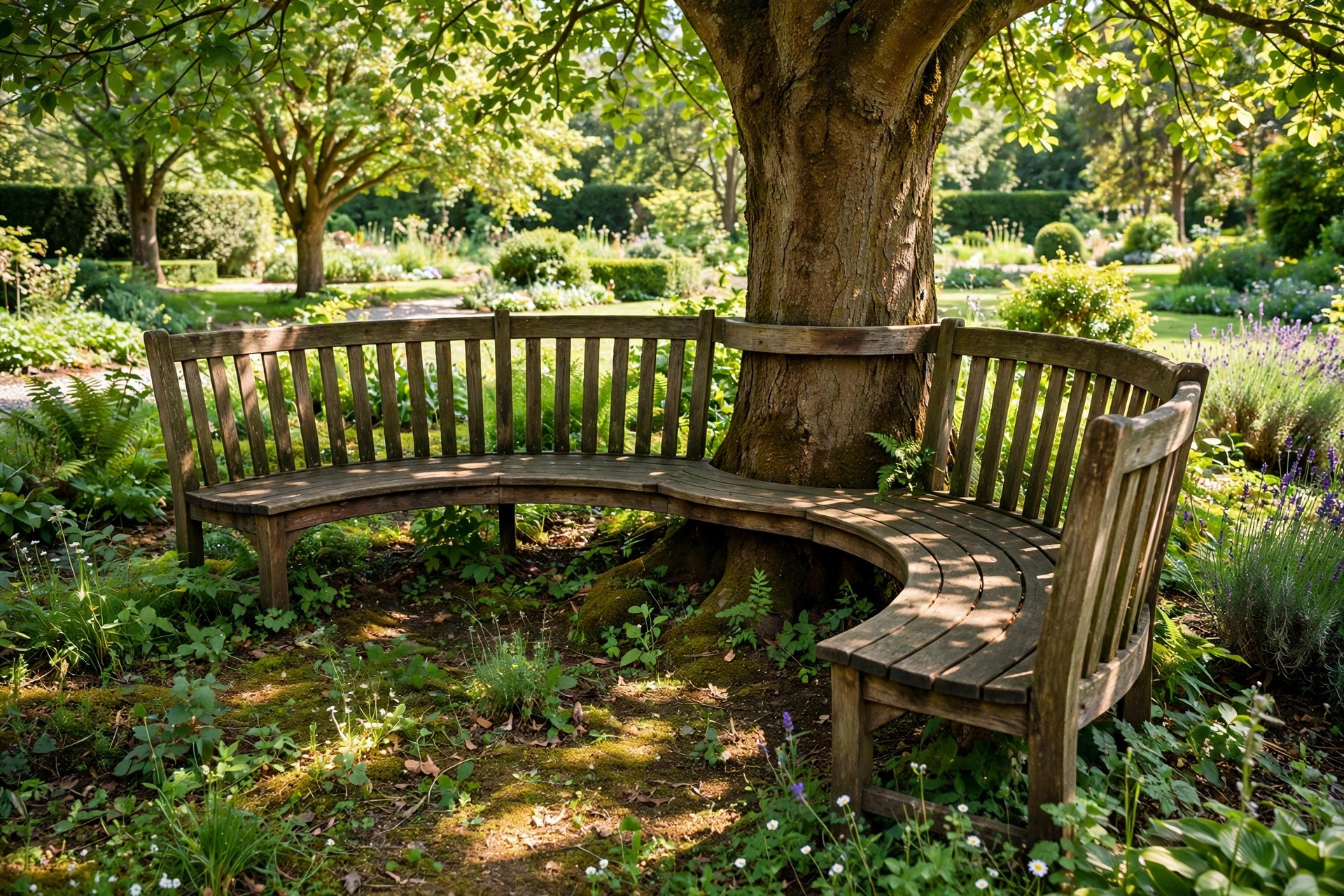
15. A curved garden bench around a tree — the tree gets a seat
A tree with bare ground around it is a tree with nowhere to sit, because the ground under the tree is the ground that is shaded and the shade is the place you want to sit. Build a curved bench around it — the tree gets a seat — so the shade has a seat and the tree has company. Build the bench in sections, each one a short straight piece, and join them in a curve around the trunk, because the curve is made of straights and the straights are easy to cut. Leave a gap around the trunk, because the tree that grows is the tree that needs room. A curve of benches, and the tree has a seat in its own shade.
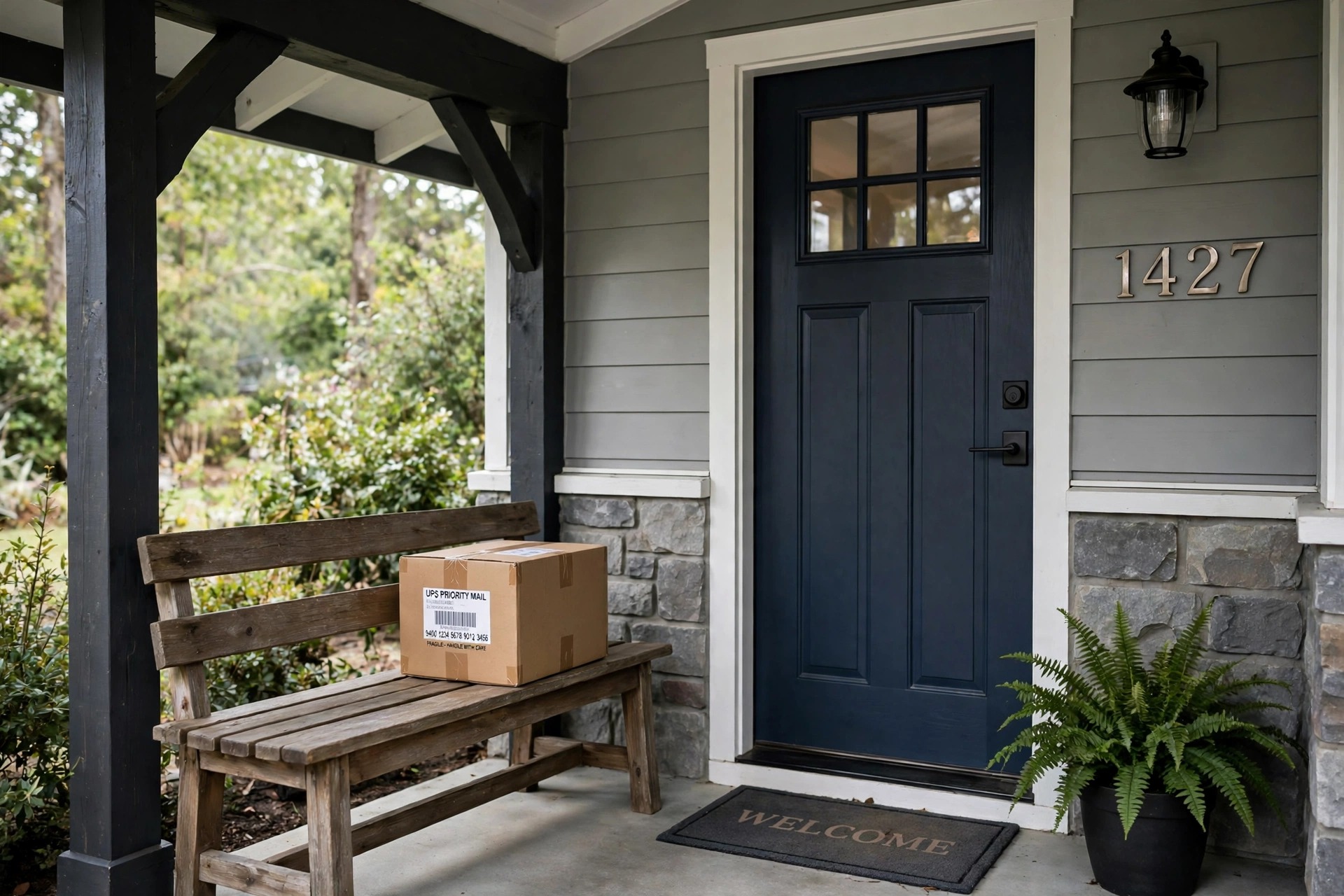
16. A bench beside the front door — the bench that holds the parcels
Parcels left on the doorstep are parcels in the rain, because the doorstep is the place the delivery leaves them and the rain is the thing that finds them. Put a bench beside the front door — the bench that holds the parcels — so the parcels sit under the porch roof instead of on the wet step. Build a simple bench, put it under the porch overhang, and leave it empty, because the empty bench is the bench the delivery can use. Add a small sign if you like, because the sign is the instruction and the bench is the shelf. A bench by the door, and the parcels stay dry.
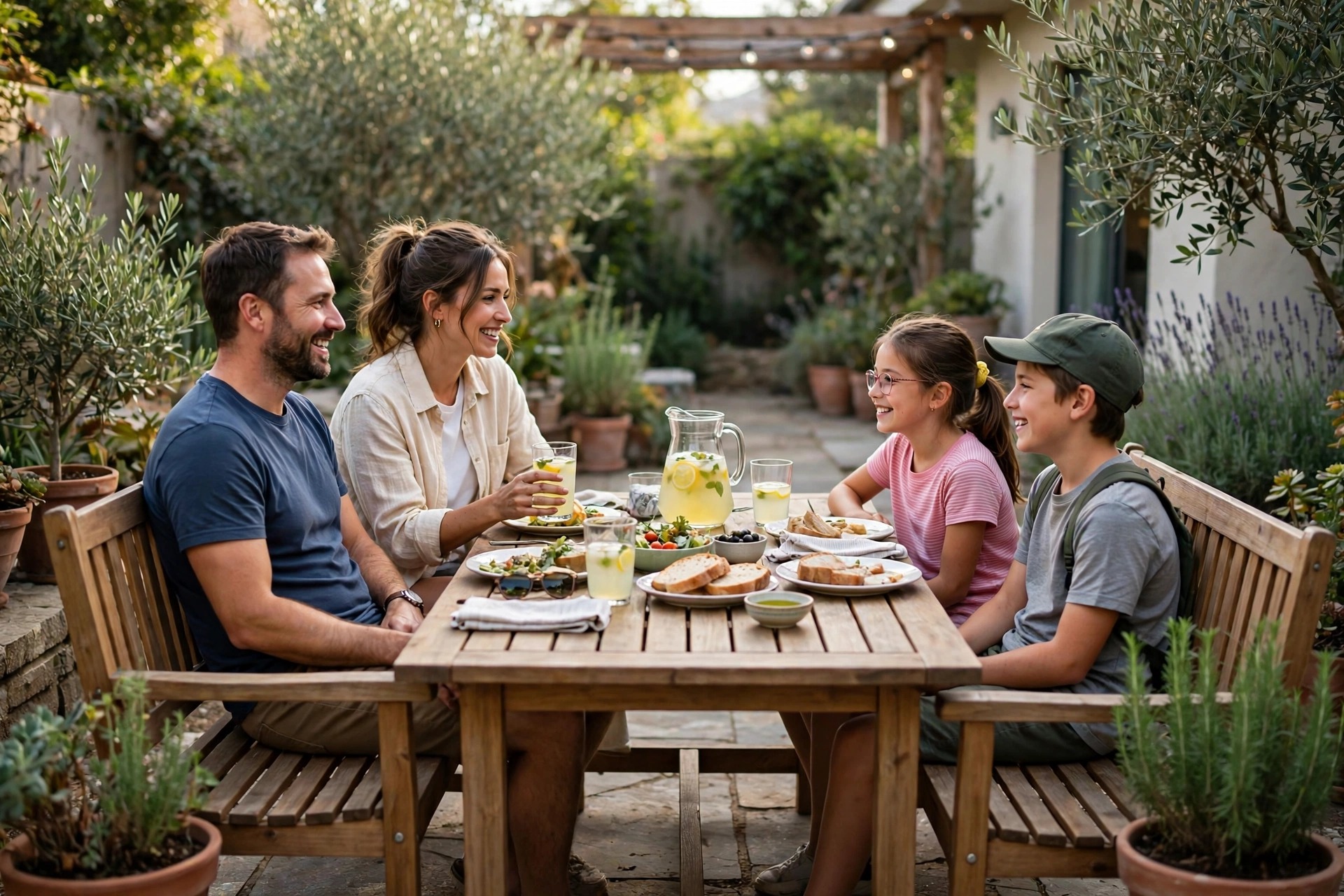
17. A bench for the patio table — the bench that seats the whole family
A patio table with chairs is a table that seats four, because the chairs are the things that take up room and the table is the thing that fits four. Swap the chairs for benches — the bench that seats the whole family — so the table seats six and the children can shuffle along. Build two benches, one each side of the table, at the same height as the chairs were, and leave the ends free, because the bench that slides in is the bench that fits under the table. Keep the benches the same length as the table, because the bench that matches the table is the bench that looks like a set. Two benches, and the whole family fits at the table.
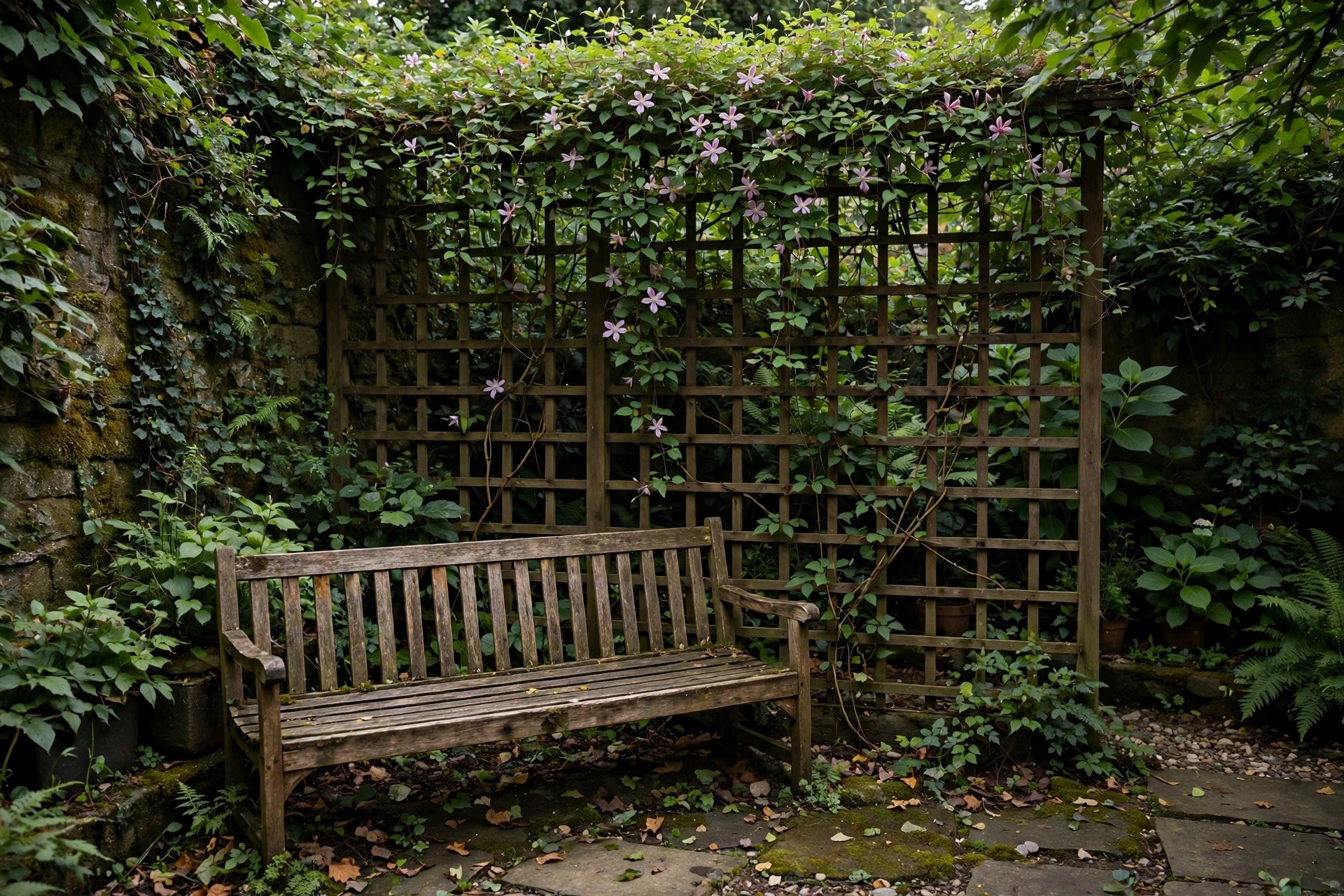
18. A bench with a pergola or trellis behind it — shade built into the bench
A bench in full sun is a bench nobody sits on at noon, because the sun is the thing that heats the seat and the seat is the thing that burns. Build the shade behind it — shade built into the bench — so the bench is cool at noon and the garden has a shady corner. Build a simple trellis or a small pergola behind the bench, plant a climber at its feet, and let the plant grow over it, because the plant is the shade and the trellis is the frame. Choose a fast climber for the first summer, because the climber that grows fast is the shade that arrives this year. A trellis, a climber, and the bench is cool at noon.
19. A bench by the fire pit — the bench that faces the fire
A fire pit with no seating is a fire nobody sits around, because the fire is the thing that draws people and the ground is the thing they sit on. Build a bench that faces it — the bench that faces the fire — so the fire has an audience and the evening has a seat. Build a low bench, about 16 inches high, in a curve around the pit, and leave a gap for the smoke to rise, because the low bench is the bench that lets you see the flames. Keep the bench a safe distance from the pit, because the bench that is too close is the bench that gets too hot. A bench by the fire, and the evening has a seat.
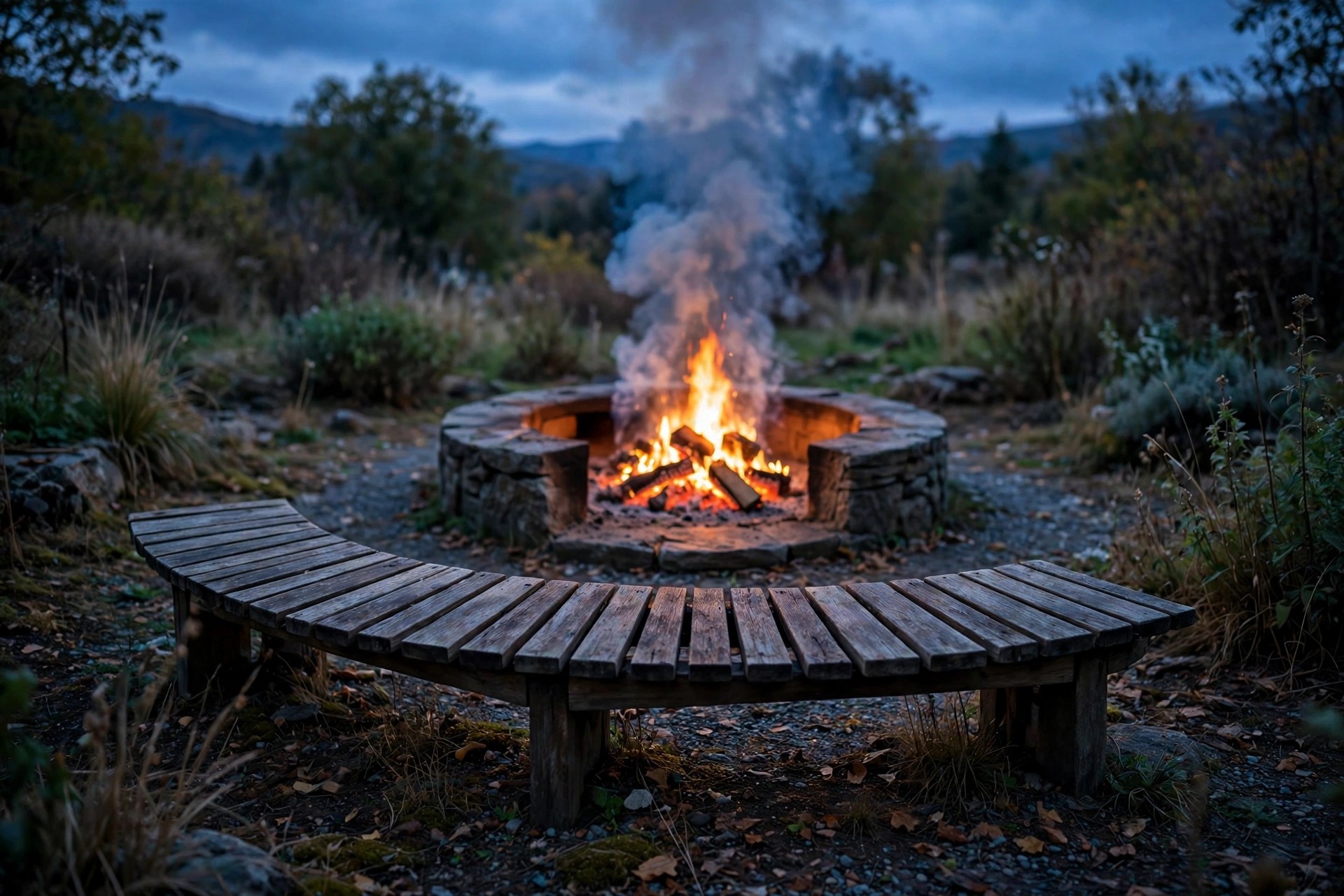
20. A bench for a small balcony — the bench that fits a narrow space
A small balcony with a chair is a balcony with no room to move, because the chair is the thing that takes the space and the balcony is the thing that has none. Build a bench to fit the wall — the bench that fits a narrow space — so the balcony seats two and still has room to stand. Measure the wall, build the bench to that exact length, and make the seat shallow, about 14 inches deep, because the shallow seat is the seat that leaves room to walk past. Fold the legs flat if you can, because the bench that folds is the bench that disappears in winter. One narrow bench, and the balcony seats two.

Benches that look expensive
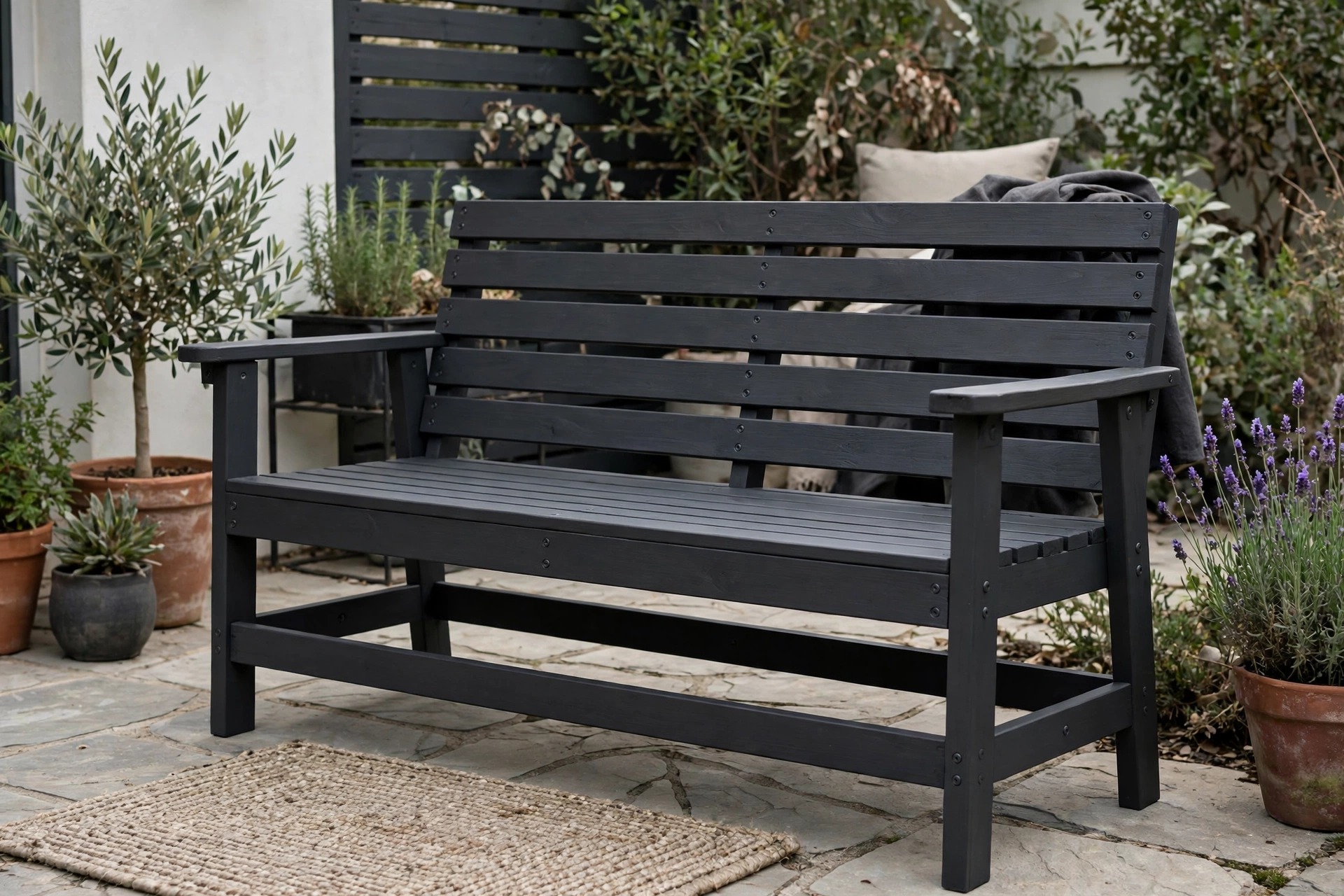
21. A bench painted sage or charcoal — one colour, and the bench looks bought
A bench in bare wood looks unfinished, because the bare wood is the wood that shows every mark and the mark is the thing the eye finds first. Paint it one colour — one colour, and the bench looks bought — so the bench reads as furniture instead of a project. Choose sage or charcoal, the NestWynn colours, and paint it twice with exterior paint, because the second coat is the coat that lasts. Paint the screws the same colour, because the screw that matches is the screw that disappears. One colour, two coats, and the bench looks like it came from a shop.
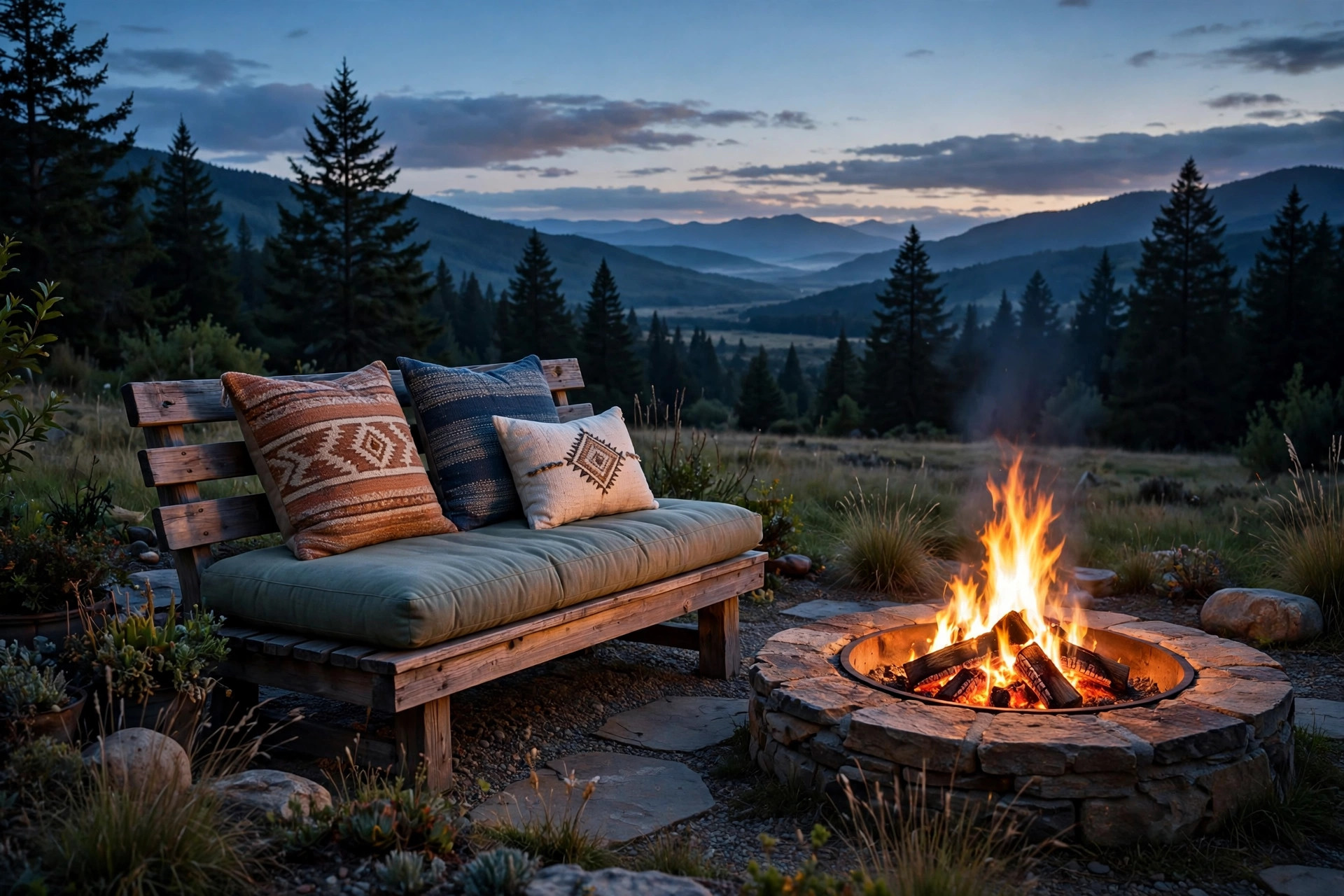
22. A bench with a thick cushion and outdoor pillows — the bench that feels like a sofa
A wooden bench with no cushion is a bench you sit on for five minutes, because the wood is the thing that is hard and the hard seat is the seat that sends you back inside. Add a thick cushion — the bench that feels like a sofa — so the bench is a seat you stay on. Make or buy a cushion at least 4 inches thick, in outdoor fabric, and add two pillows at the ends, because the pillows are the backrest and the cushion is the comfort. Store the cushion in the storage bench from idea 8 when it rains, because the cushion that stays dry is the cushion that lasts. A thick cushion, two pillows, and the bench is a sofa. (Check on Amazon for an outdoor bench cushion in a weatherproof fabric, measured to your bench length so it fits without overhang.)
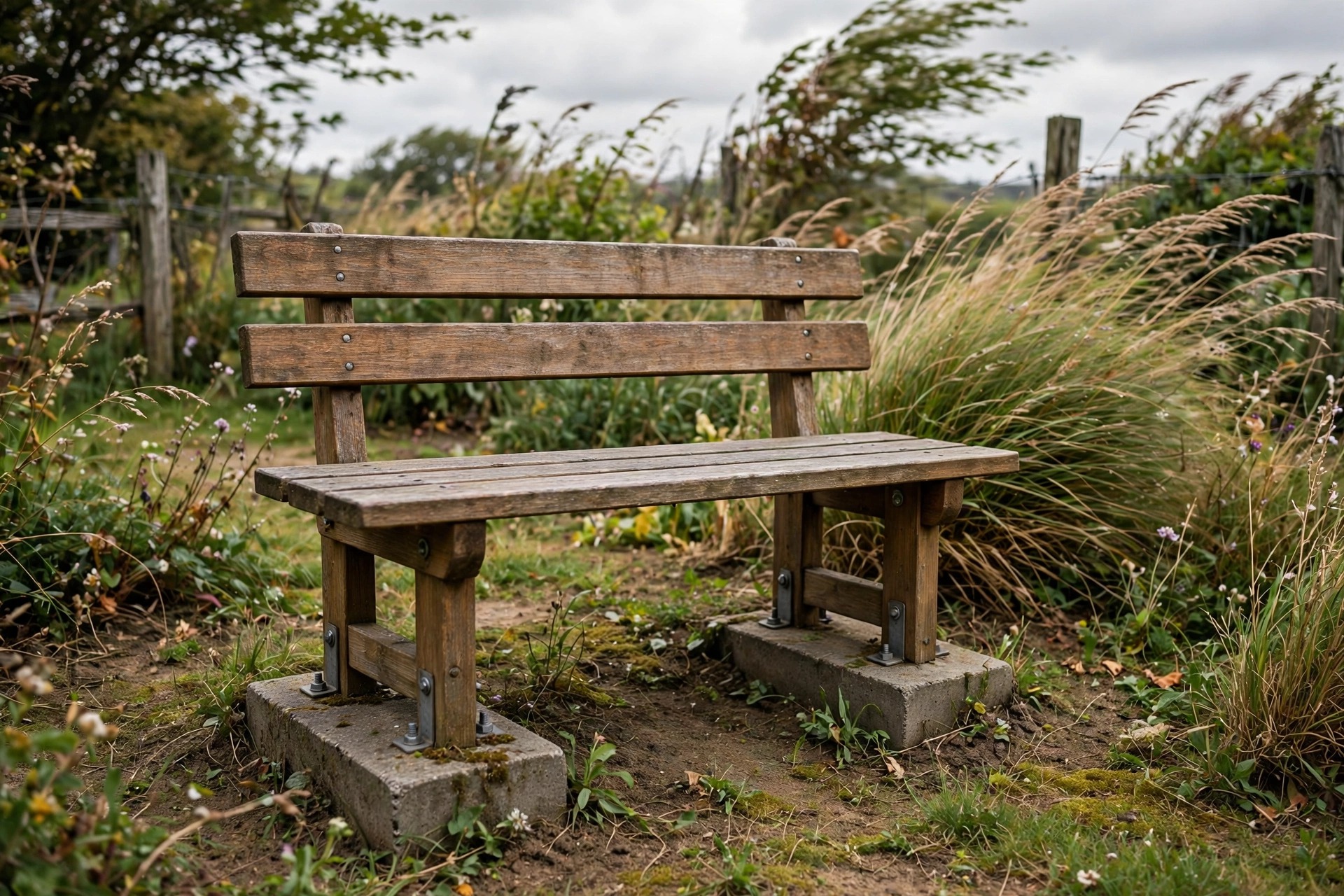
23. A bench with a concrete base — the bench that never blows over
A light bench in a windy garden is a bench that moves, because the wind is the thing that finds it and the bench is the thing that is too light to stay. Give it a concrete base — the bench that never blows over — so the bench stays where you put it in every storm. Cast two concrete blocks or pour two small footings, bolt the bench to them, and let the concrete cure for a week, because the cured concrete is the concrete that holds. Sink the blocks slightly into the ground, because the block that sits low is the block that looks like part of the garden. Concrete under a bench, and the bench never moves.
24. A bench with a slatted back and armrests — the bench that looks like garden furniture from a shop
A bench with no armrests is a bench you perch on, because the armrest is the thing your arm reaches for and the perch is the seat without one. Add a slatted back and armrests — the bench that looks like garden furniture from a shop — so the bench is a chair you sink into. Build the back from horizontal slats with small gaps, add armrests at sitting height, and sand every edge, because the slats are the look and the sanding is the comfort. Space the slats evenly, because the even slats are the slats that look made by a machine. Slats, armrests, and the bench looks shop-bought.
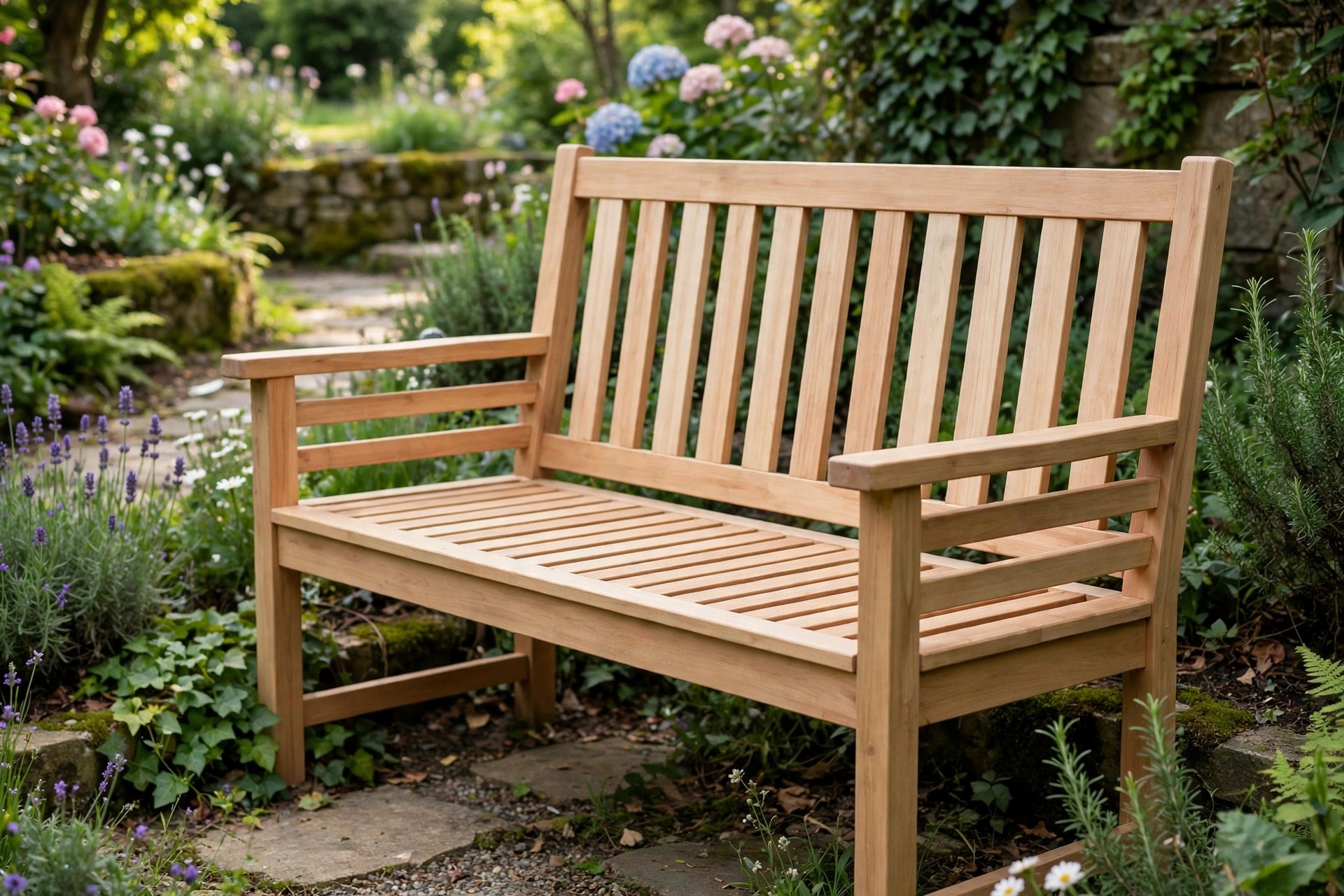
25. A bench from hardwood offcuts — the bench that ages beautifully
A bench from soft pine is a bench that dents, because the pine is the thing that marks and the mark is the thing that stays. Build it from hardwood offcuts — the bench that ages beautifully — so the bench gets better with every year instead of worse. Use offcuts of oak, teak or iroko from a timber yard, oil them twice a year, and let the wood silver in the sun, because the oiled hardwood is the wood that weathers well. Ask the timber yard for the offcut bin, because the offcuts are the hardwood at the softwood price. Hardwood offcuts, and the bench ages like furniture.
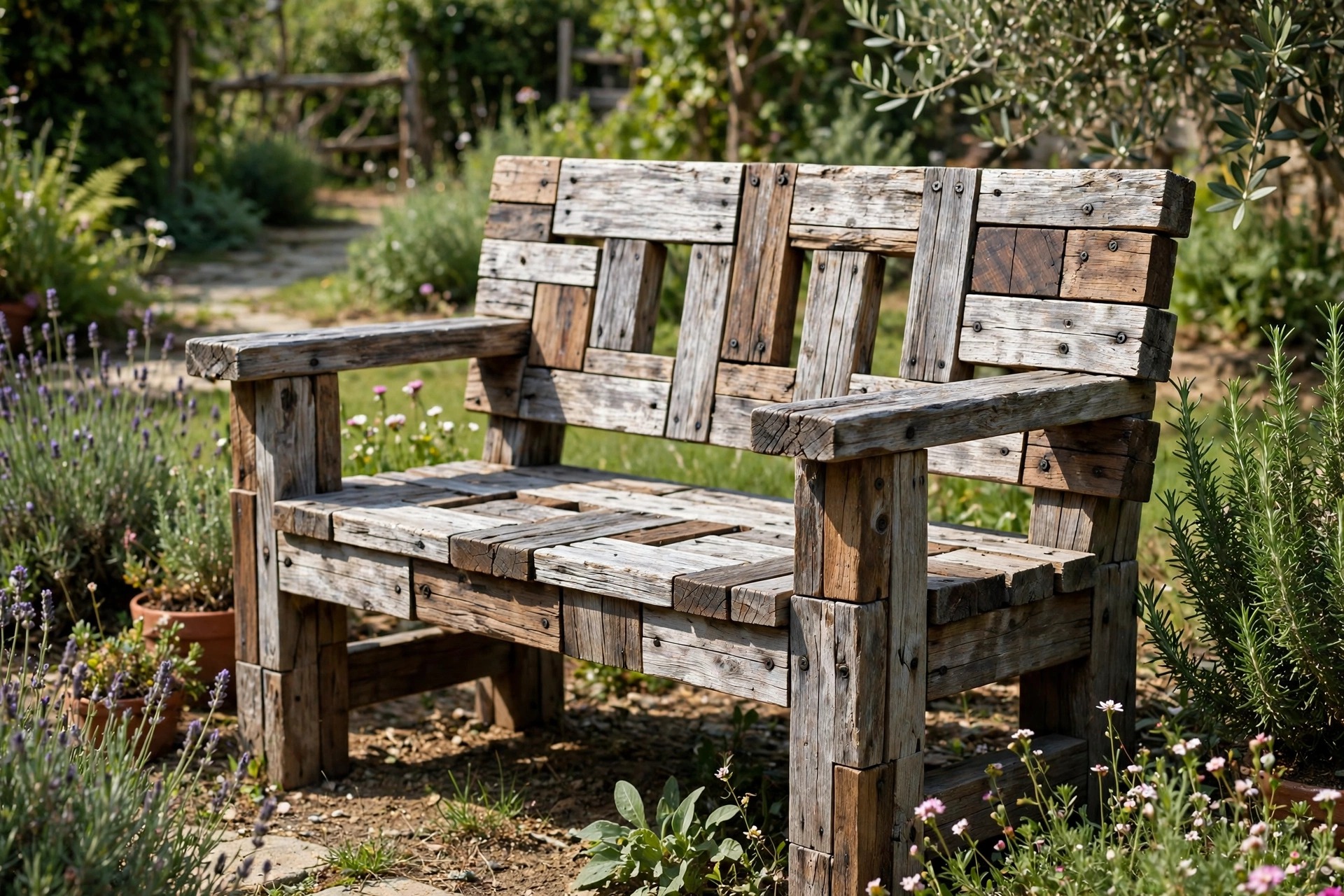
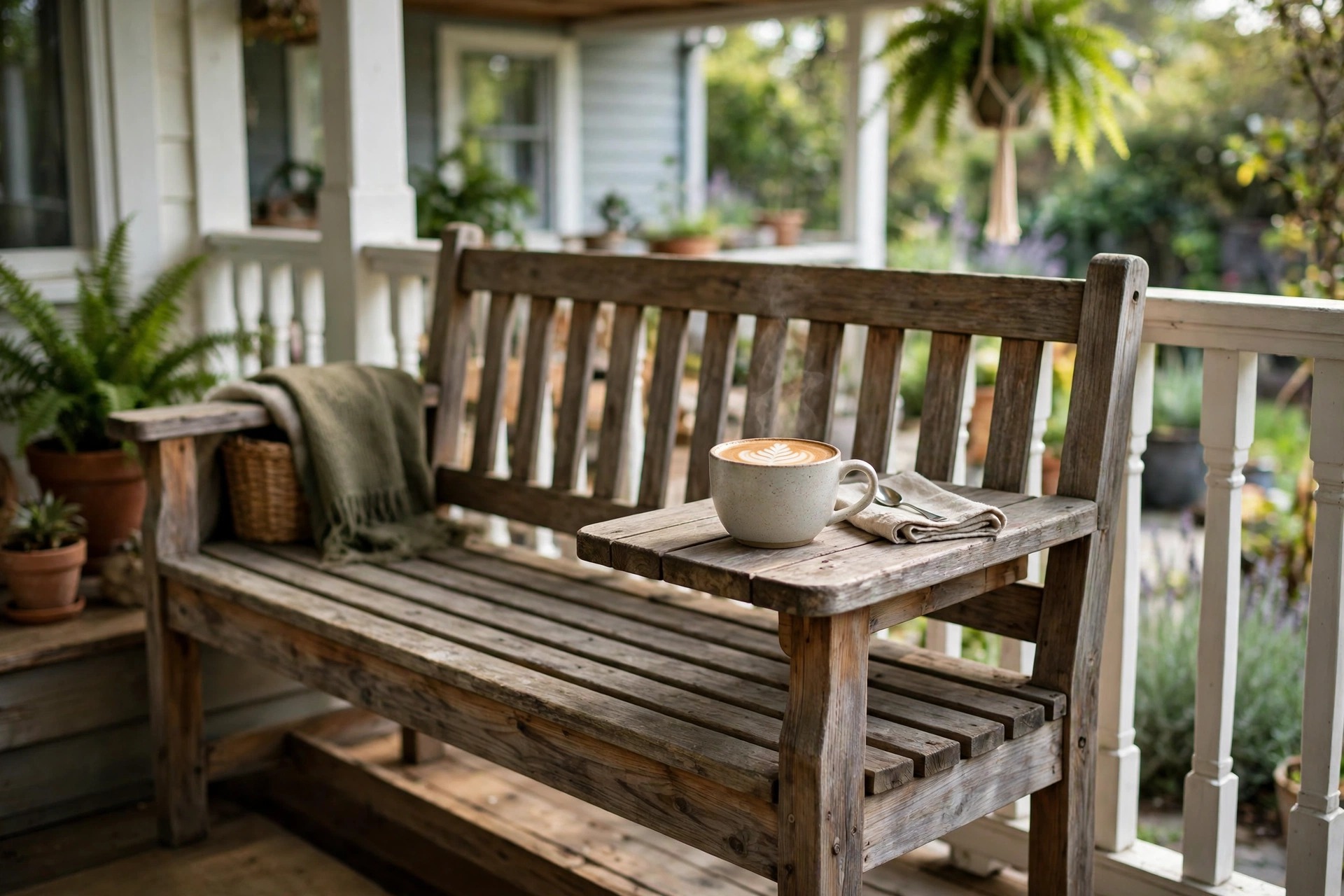
26. A bench with a built-in side table — the bench that holds the coffee
A bench with nowhere to put a cup is a bench with the cup on the ground, because the cup is the thing that needs a table and the ground is the thing that spills it. Build the table into the bench — the bench that holds the coffee — so the cup sits beside you and the bench does two jobs. Extend one end of the bench into a small table, level with the seat, and put a cup ring or a small tray on it, because the table is the cup holder and the bench is the seat. Keep the table small, because the small table is the table that does not crowd the seat. A table at the end, and the coffee stays off the ground.
Which DIY outdoor bench fits which situation?
| Situation | Best first move | Budget | Tools needed |
|---|---|---|---|
| No tools, first build ever | Simple 2×4 bench (idea 1) | Low | Saw, drill |
| An old door in the garage | Door bench (idea 2) | Free | Saw, drill |
| No power tools at all | Cinder-block bench (idea 3) | Low | None |
| A fallen tree in the garden | Log bench (idea 4) | Free | Saw |
| Almost no budget | Pallet bench (idea 5) | Free | Saw, drill |
| A bed frame nobody uses | Bed-frame bench (idea 6) | Free | Saw, drill |
| Cushions piling on the porch | Storage bench, lift-up seat (idea 8) | Medium | Saw, drill, hinges |
| Shoes in a pile by the door | Bench with crates (idea 9) | Low | Crates |
| Bench looks unfinished | Planter boxes at each end (idea 10) | Low | Saw, drill |
| Garden parties, drinks inside | Bench with built-in cooler (idea 11) | Medium | Saw, drill |
| Porch needs a farmhouse look | High-back porch bench (idea 14) | Medium | Saw, drill |
| A tree with bare ground | Curved bench around the tree (idea 15) | Medium | Saw, drill |
| Parcels left in the rain | Bench beside the front door (idea 16) | Low | Saw, drill |
| Table seats four, family is six | Patio table benches (idea 17) | Medium | Saw, drill |
| Bench too hot at noon | Trellis or pergola behind it (idea 18) | Medium | Saw, drill |
| Fire pit, nowhere to sit | Bench facing the fire (idea 19) | Low | Saw, drill |
| A narrow balcony | Shallow wall bench (idea 20) | Low | Saw, drill |
| Bench looks homemade | Paint it sage or charcoal (idea 21) | Low | Paint, brush |
| Hard wooden seat, five minutes | Thick cushion and pillows (idea 22) | Medium | Cushion |
| Windy garden, bench moves | Concrete base (idea 23) | Medium | Concrete |
| Bench you perch on, not sink into | Slatted back and armrests (idea 24) | Medium | Saw, drill |
| Bench that must last years | Hardwood offcuts (idea 25) | Medium | Saw, drill |
| Coffee on the ground | Built-in side table (idea 26) | Low | Saw, drill |
You do not need all 26 ideas. You need the three that solve your porch — usually the simple 2×4 bench where everyone sits, the storage bench that hides the cushions, and the painted bench with thick cushions that makes the porch feel finished. Start with the simple bench, build it this weekend, and put it where the porch is widest. Do that and the next time you step outside there will be somewhere to sit, for the price of a few boards and an afternoon.
Save this post for your next porch sort, and if the entryway needs sorting first, read 22 Entryway Storage Ideas for 2026 next — it is Post 10, the shoes and coats that live by the bench by the front door — and 26 DIY Yard Decor Ideas for 2026, Post 21, for the rest of the yard the bench sits in. This is the tenth and last post of the DIY by project cluster — Posts 21 to 30, one project at a time — and the next cluster carries the same budget system into the rooms that follow.
Frequently asked questions
What wood is best for a DIY outdoor bench?
Cedar, redwood or pressure-treated pine — all three stand up to rain and sun without rotting fast. Cedar and redwood cost more but need less sealing and age to a soft grey; pressure-treated pine is the cheapest and strongest, but seal it well because the treatment chemicals need a barrier between the wood and bare skin. Never build an outdoor bench from untreated indoor pine, because it soaks up water, warps and rots within a season. Seal any outdoor bench with exterior oil or paint before the first rain, and re-oil it once a year.
How do I keep a DIY outdoor bench from rotting?
Keep the wood dry and off the ground — set the legs on small feet, pavers or concrete pads so water never pools under them, and seal every surface, including the underside, with exterior oil or paint. Let rain run off instead of sitting: a slight slope on the seat and gaps between the slats stop water pooling. Cover the bench or store the cushions inside through the wettest months, and re-oil the wood once a year. Dry feet, sealed wood and a yearly oil, and the bench lasts for years.
How deep should a DIY outdoor bench seat be?
About 16 to 18 inches deep and 17 to 19 inches high — that is the size of a dining chair seat, and it fits most adults comfortably. For a narrow balcony, go shallower, about 14 inches deep, so the bench leaves room to walk past; for a lounging bench by the fire pit, go deeper, up to 20 inches, so there is room for a cushion and a blanket. Measure the space first, then cut the seat to fit the people who will sit on it, not the other way round.