22 Purse Storage Ideas for 2026
Purses are the hardest thing in the closet to store well. They flop over, they slide off shelves, the straps tangle, and the bag you want is always the one at the bottom of the pile — so the good ones stay hidden and the everyday one gets grabbed by default.
These 22 purse storage ideas fix that without a bigger closet: one upright home per bag, a shelf you can actually see, hooks for the daily rotation, and a rule that every bag goes back in shape, not in a pile.
Every idea below works in a real closet, entryway or small bedroom. Pick three that fit your worst shelf, start with standing the bags upright, and build from there.
Start with a system, not another shelf
1. Sort by how you actually use them, not by colour
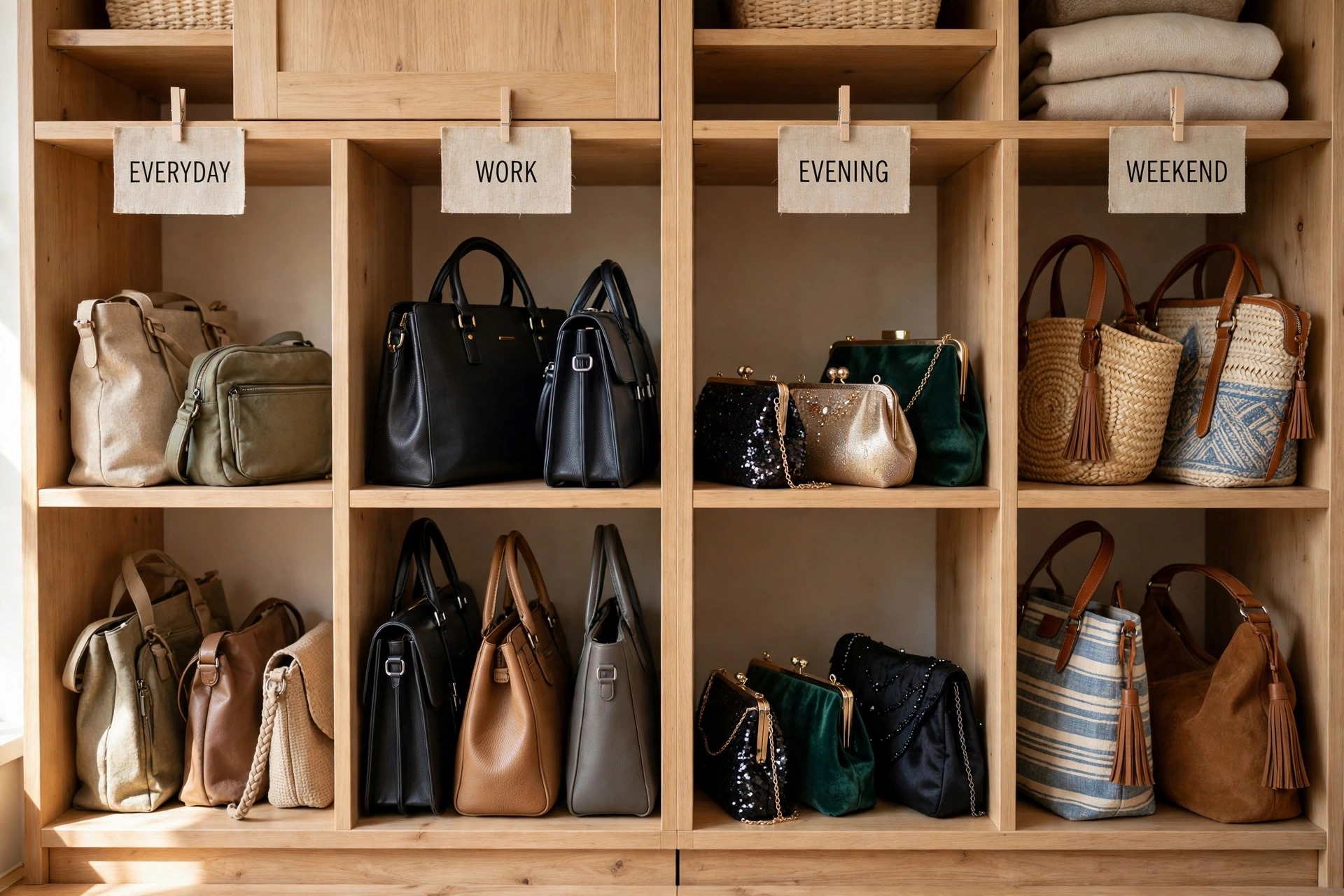
Sorting purses by colour looks lovely and helps no one choose a bag in the morning. Sort by use instead: everyday, work, evening, weekend and seasonal, and only then by size inside each group. Most people find they carry three or four bags on rotation and the rest are occasional — and the occasional ones are the ones that need the best storage, because they sit longest. Sorting first also tells you the real count: if you have twelve everyday totes, the problem is not storage, it is too many totes. Do the sort once, and every idea below gets easier.
2. One home for every purse, and only one home
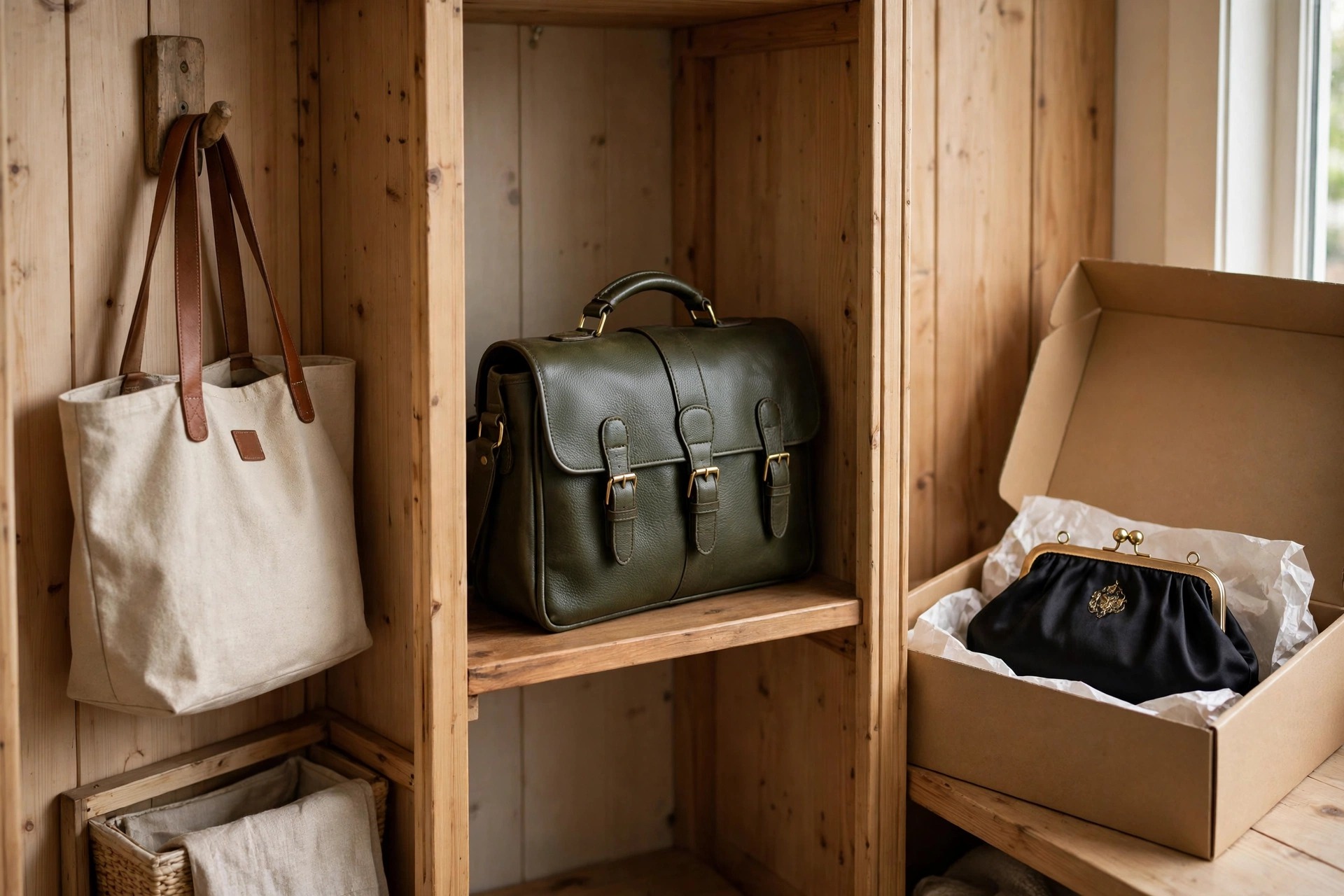
A purse with two homes ends up in neither — it lives on a chair, a hook and the floor between them. Give every bag exactly one place: the tote on its hook, the work bag on its shelf divider, the clutch in its box. When you come home, the bag goes to its home before anything else happens, and choosing a bag in the morning is just walking to the shelf. If a bag has no home, it does not get a new hook — it gets donated, sold or stored properly. One home per bag is the whole system in one rule.
3. Empty every bag before it goes back
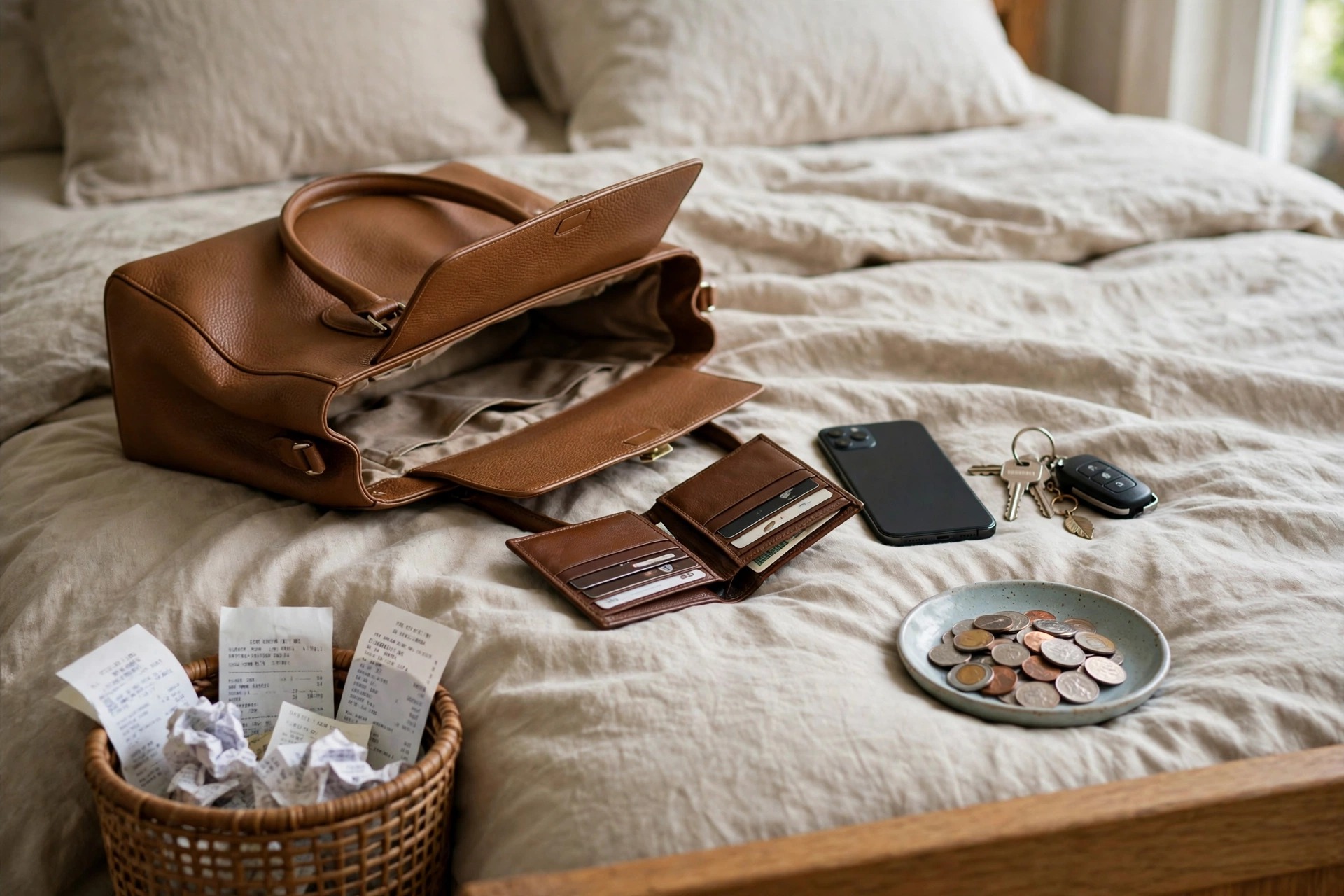
A purse that goes back full stays heavy, loses its shape and hides the clutter inside it. Empty every bag when you come home: wallet, keys and phone out, receipts and wrappers in the bin, loose change in one dish. It takes thirty seconds and it means the next time you pick up the bag it is clean, light and ready. Keep a small tray by the door for the daily essentials, so emptying the bag is a transfer, not a chore. A bag stored empty keeps its shape for years longer than a bag stored full.
4. Stuff them so they keep their shape
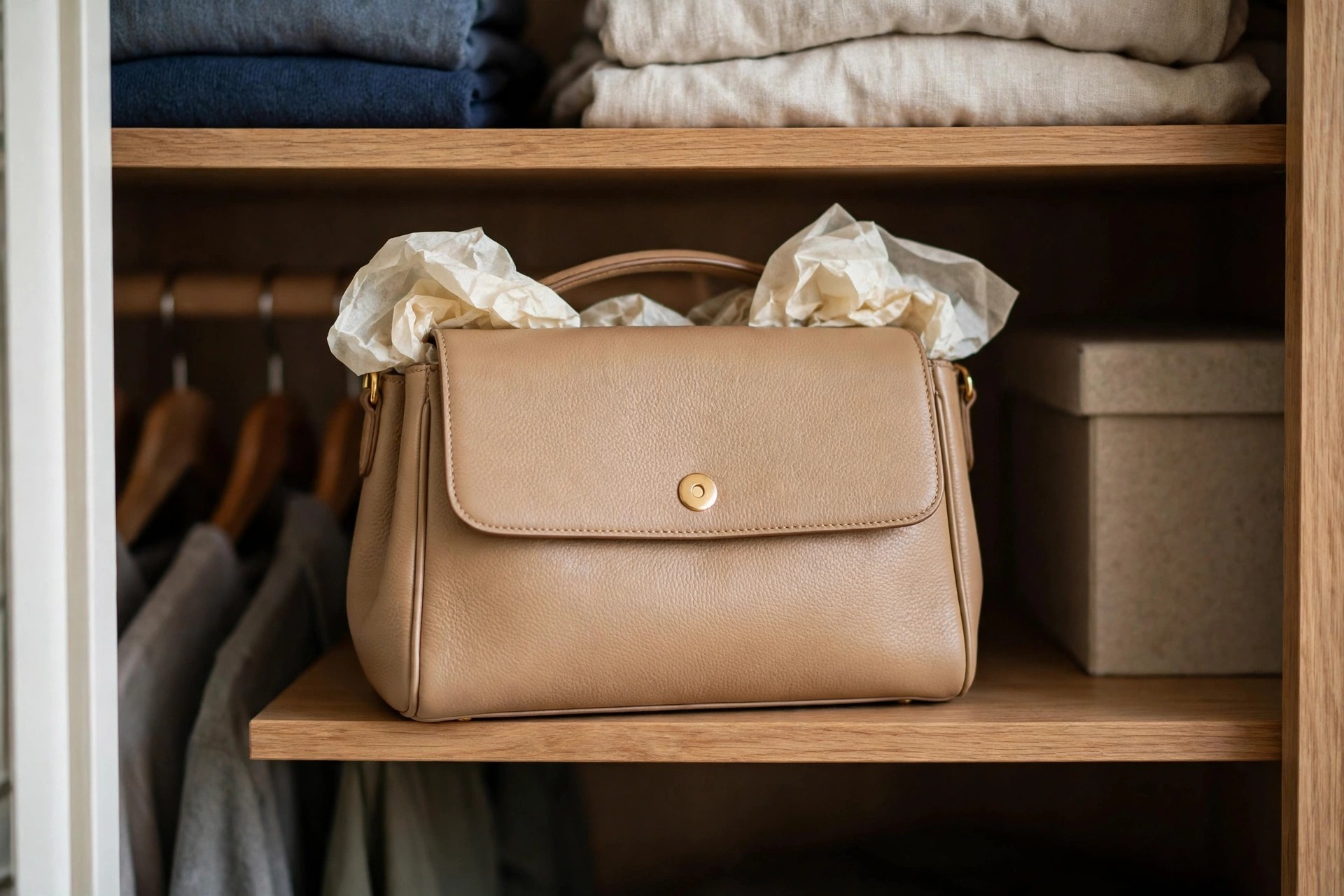
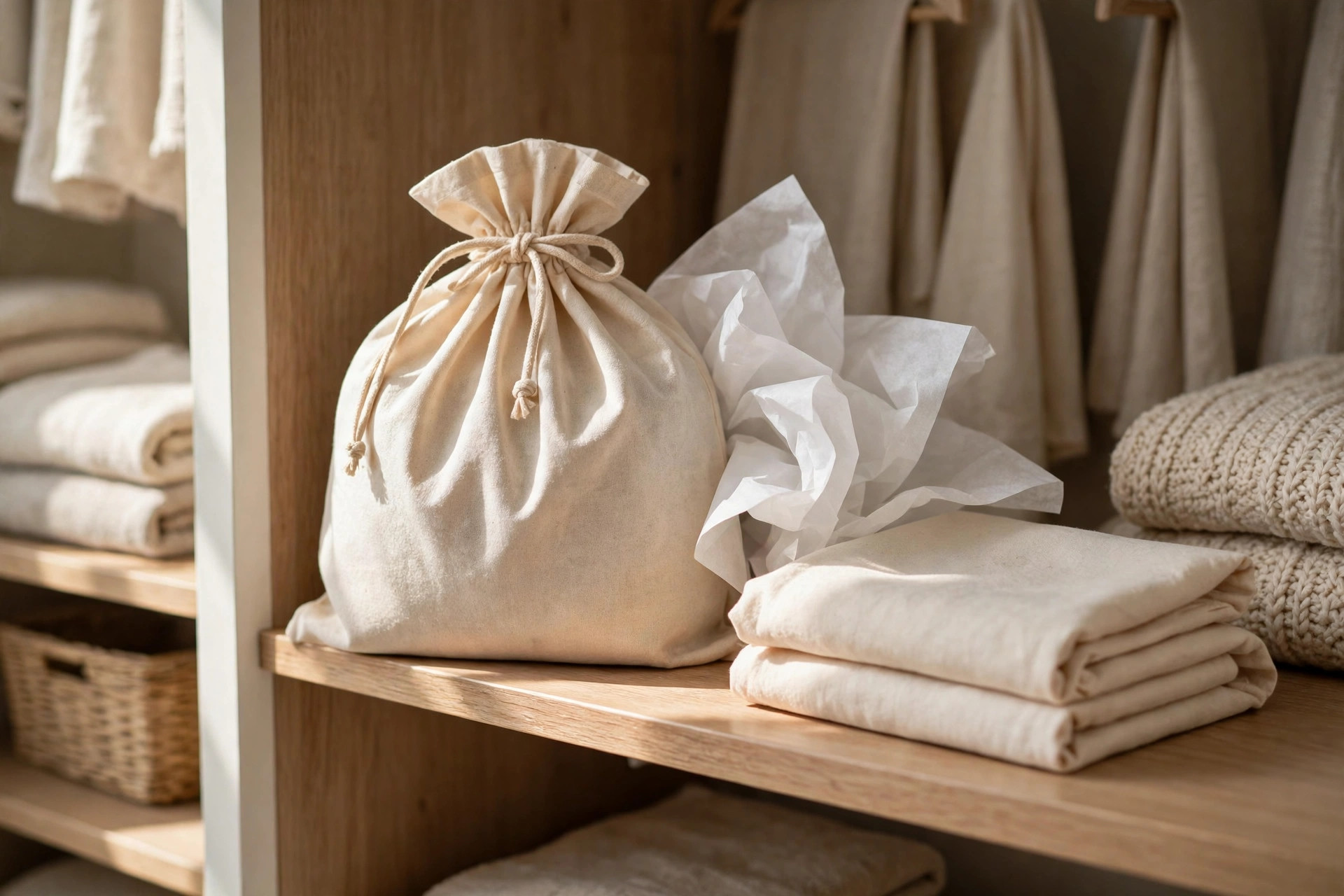
A soft handbag stored empty collapses, creases and loses the shape you paid for. Stuff each bag lightly before it goes back on the shelf — tissue paper, a rolled scarf, an old T-shirt or a purpose-made purse pillow, just enough to hold the sides up without stretching them. Close the flap or zip, fasten the clasp, and stand the bag upright, the way it would sit in a shop. Never overstuff a structured bag or hang a heavy bag by one strap for months, because that is how handles stretch and corners sag. Stuffed and upright, a bag looks new every time you take it out.
5. The one-in, one-out rule for handbags
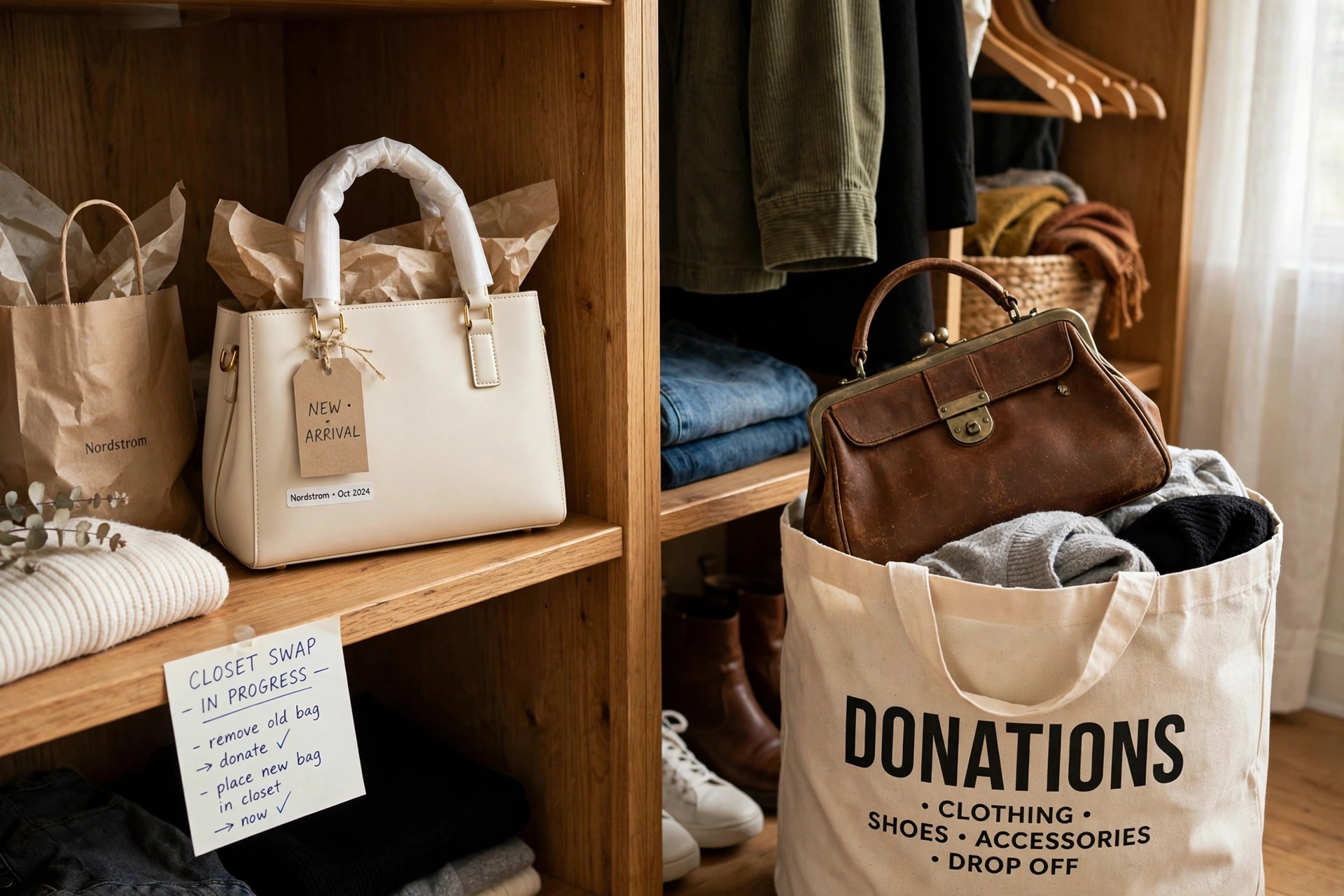
Every sale, gift and impulse buy brings a new bag into a closet that is already full. Make the rule before the next one arrives: for every new purse that comes in, one old purse leaves — donated, sold or passed on. Tell yourself the rule in advance and choose the outgoing bag the same day the new one arrives, so it leaves the house instead of drifting to a back shelf. Keep a donation bag in the closet, always open, for the bag that is leaving. It takes five minutes and stops the purse pile growing every season.
Closet storage: shelves, dividers and hooks that work
6. Stand them upright, in a row, like books
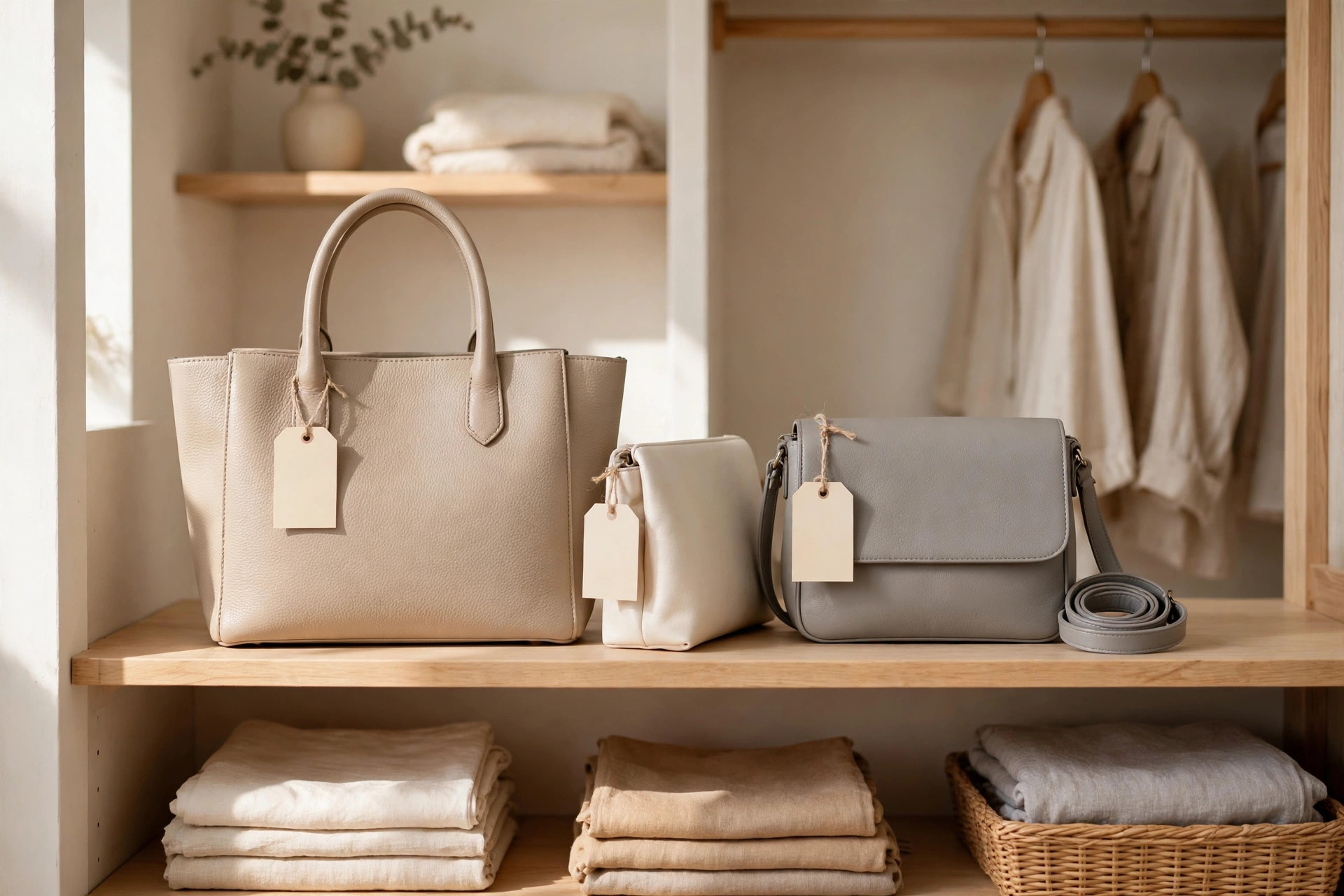
Purses stored flat in a pile are purses you will never see — the one you want is always underneath. Stand them upright in a row on a shelf, like books on a bookshelf, spines out, handles up, so every bag is visible at a glance. Keep the row loose enough that you can pull one out without dragging three with it, and put the most-used bags at eye level, the occasional ones higher up. A row of upright bags also shows you the real collection at a glance, which is the first step to editing it. Upright and visible beats stacked and hidden every time.
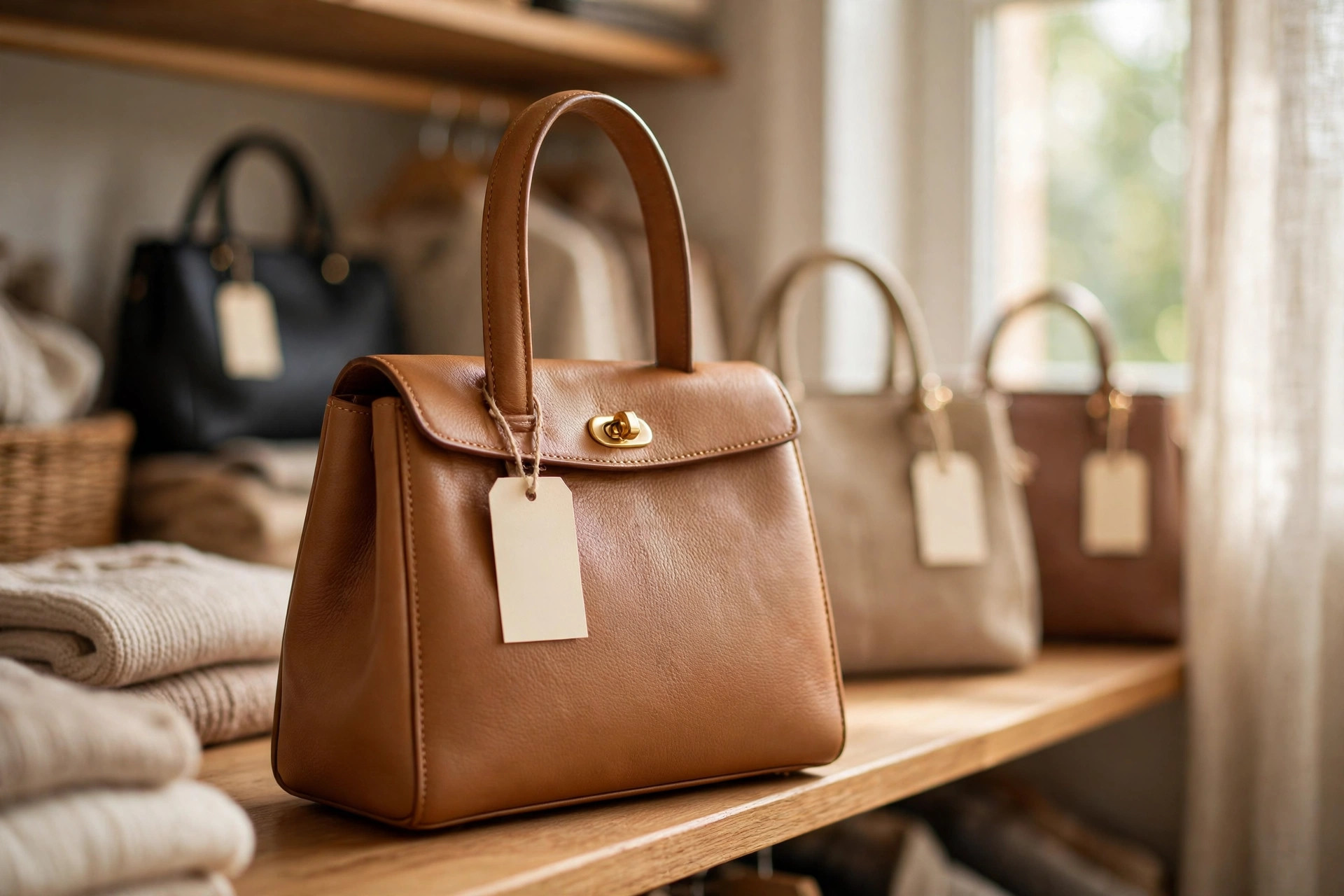
7. Shelf dividers so the row never collapses
An upright row only works if it stays upright, and a row of soft bags collapses the moment you take one out. Use shelf dividers — acrylic, wood or metal, spaced one bag apart — so each purse has its own slot and the row holds its shape even when a bag is out. Dividers also stop a heavy tote leaning on a delicate clutch and creasing it, which is how the good bags get ruined. Measure the shelf first and buy dividers to match the bags, not the other way round. One divider per bag is enough; if you need a second row, you need a second shelf, not tighter dividers.
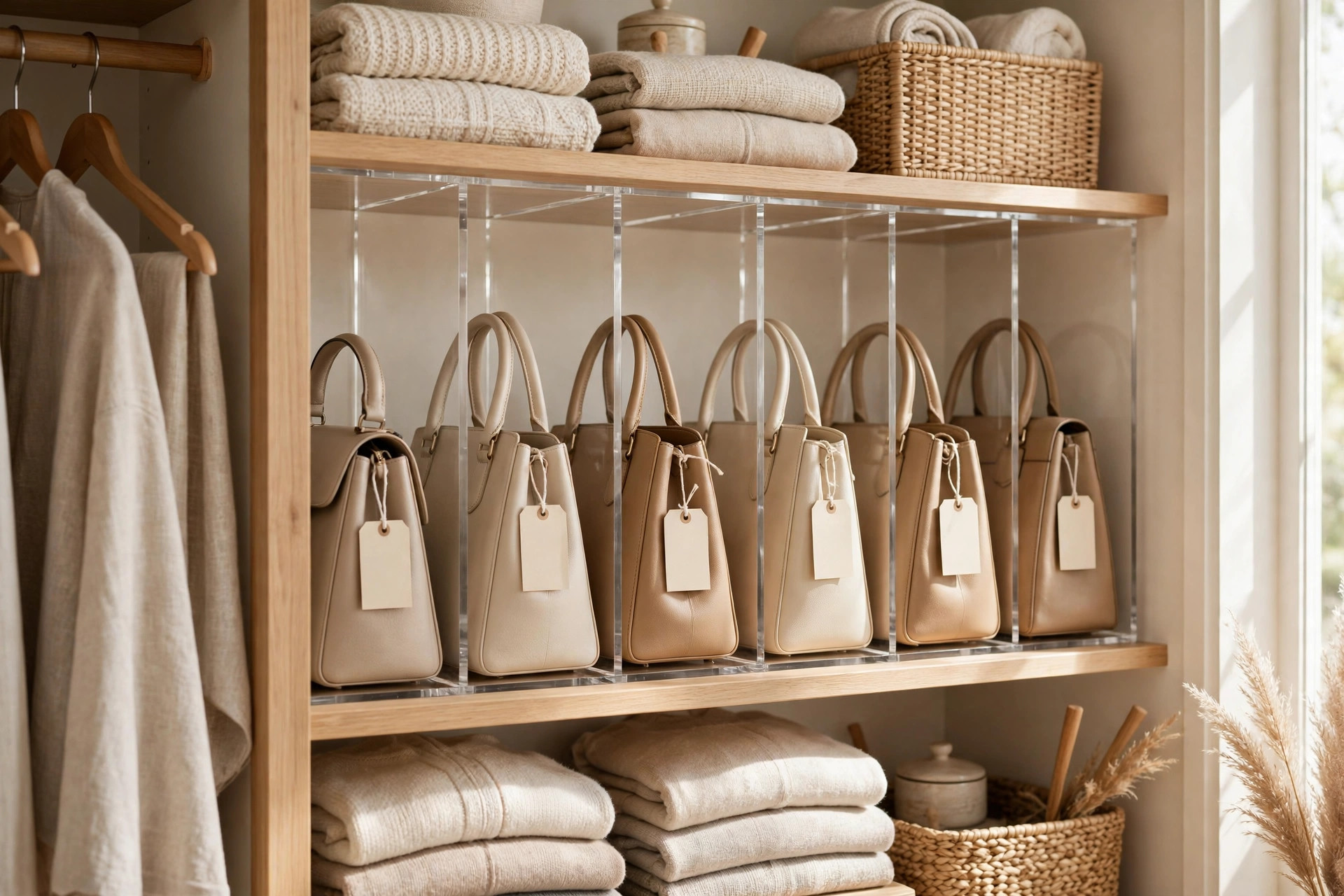
8. A purse hook on the closet door, for the daily bag
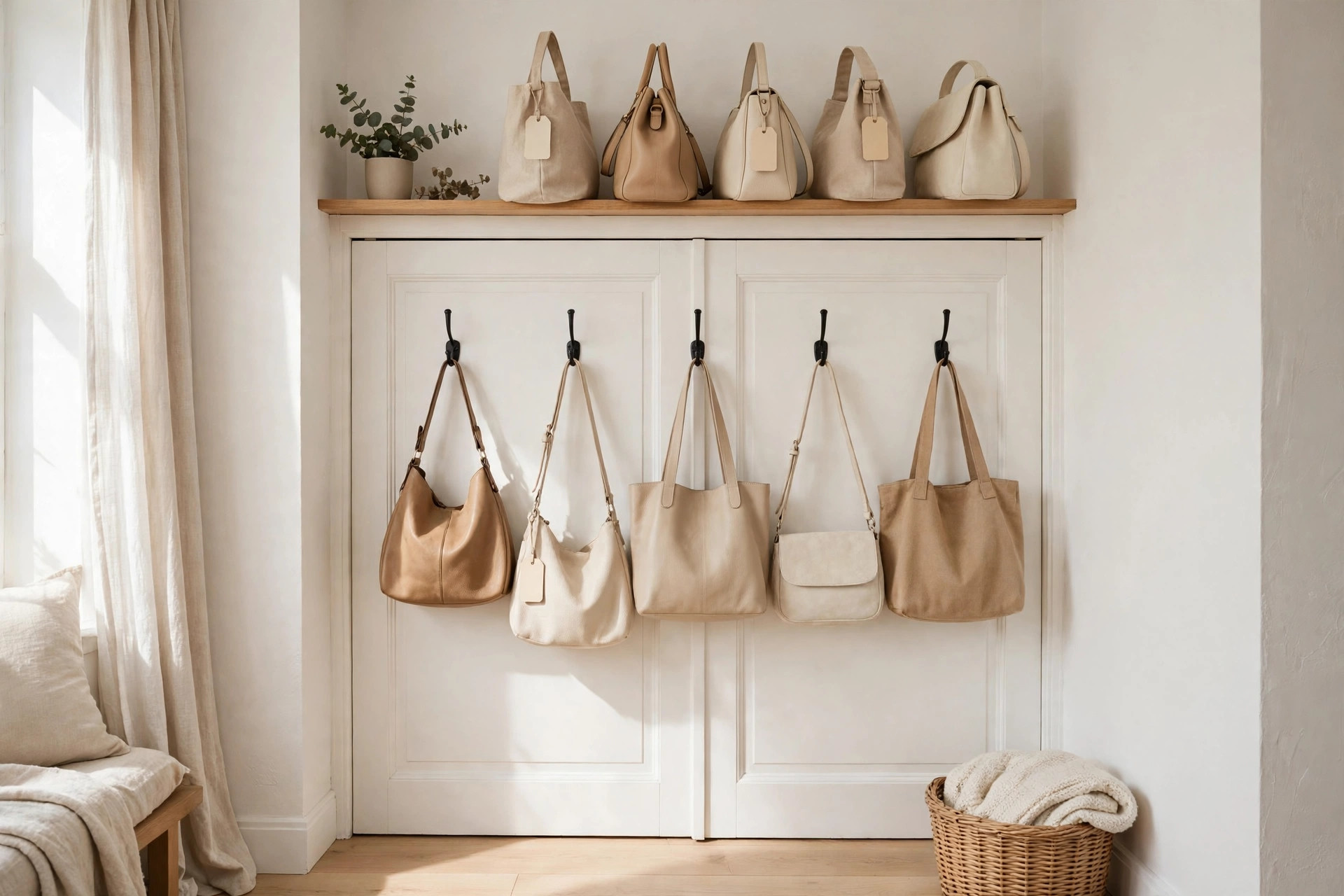
The bag you carry today should not live on a shelf behind five other bags — it should live on a hook, ready to grab. Put one sturdy over-the-door hook or a single wall hook just inside the closet door, and make it the home of the current daily bag only. When you switch bags, the old one goes back to its shelf and the new one takes the hook, so there is never more than one bag on it. A hook by the door also stops the daily bag living on the kitchen chair, which is where purses go to get stained. One hook, one bag, and the morning is faster.
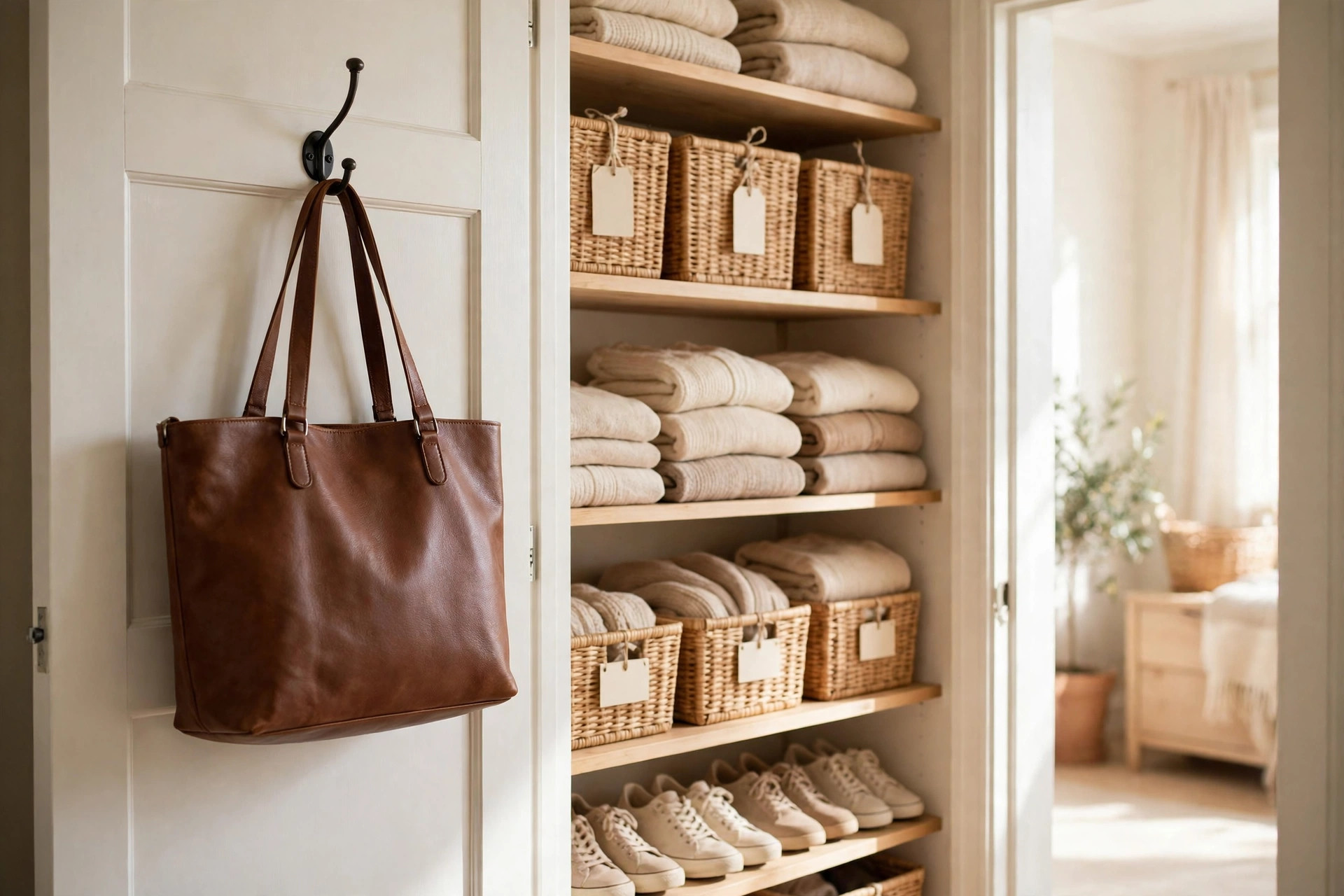
9. S-hooks on a closet rod for small bags
Small bags — clutches, wristlets, crossbodies — vanish on a shelf and tangle on a hook, but they hang beautifully from a closet rod. Clip an S-hook over the rod for each small bag, hang it by its strap or handle, and the whole collection hangs in a row you can see and reach. Keep the heavy bags off the rod, because weight stretches straps over months, and keep the evening bags together at one end, so you can find the clutch without moving the totes. S-hooks cost almost nothing, use no shelf at all, and make a crowded closet feel twice as big.
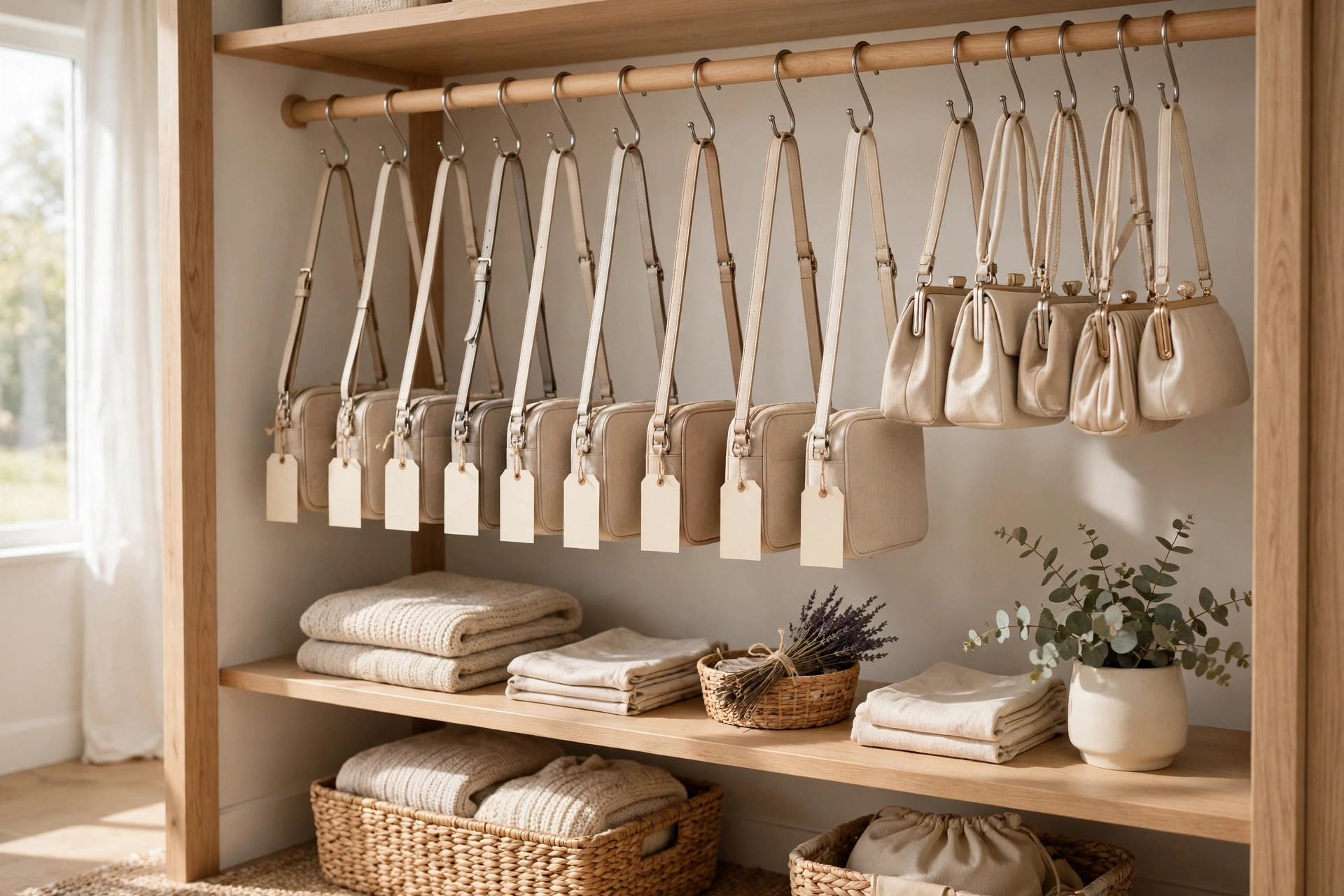
10. Clear bins for the bags you rotate seasonally
Seasonal bags — straw totes in summer, dark leather in winter — do not need an eye-level shelf for eleven months of the year. Store them in clear bins on a high shelf, one bin per season, with a label on the front showing what is inside, so you can grab the right bin without opening three. Clear bins beat coloured ones here — you can see at a glance whether the bin holds summer or winter bags. Stack them on the top shelf, out of the way but not out of mind, and swap the bins when the season changes. One bin per season is enough; if you need a third, you have too many seasonal bags.
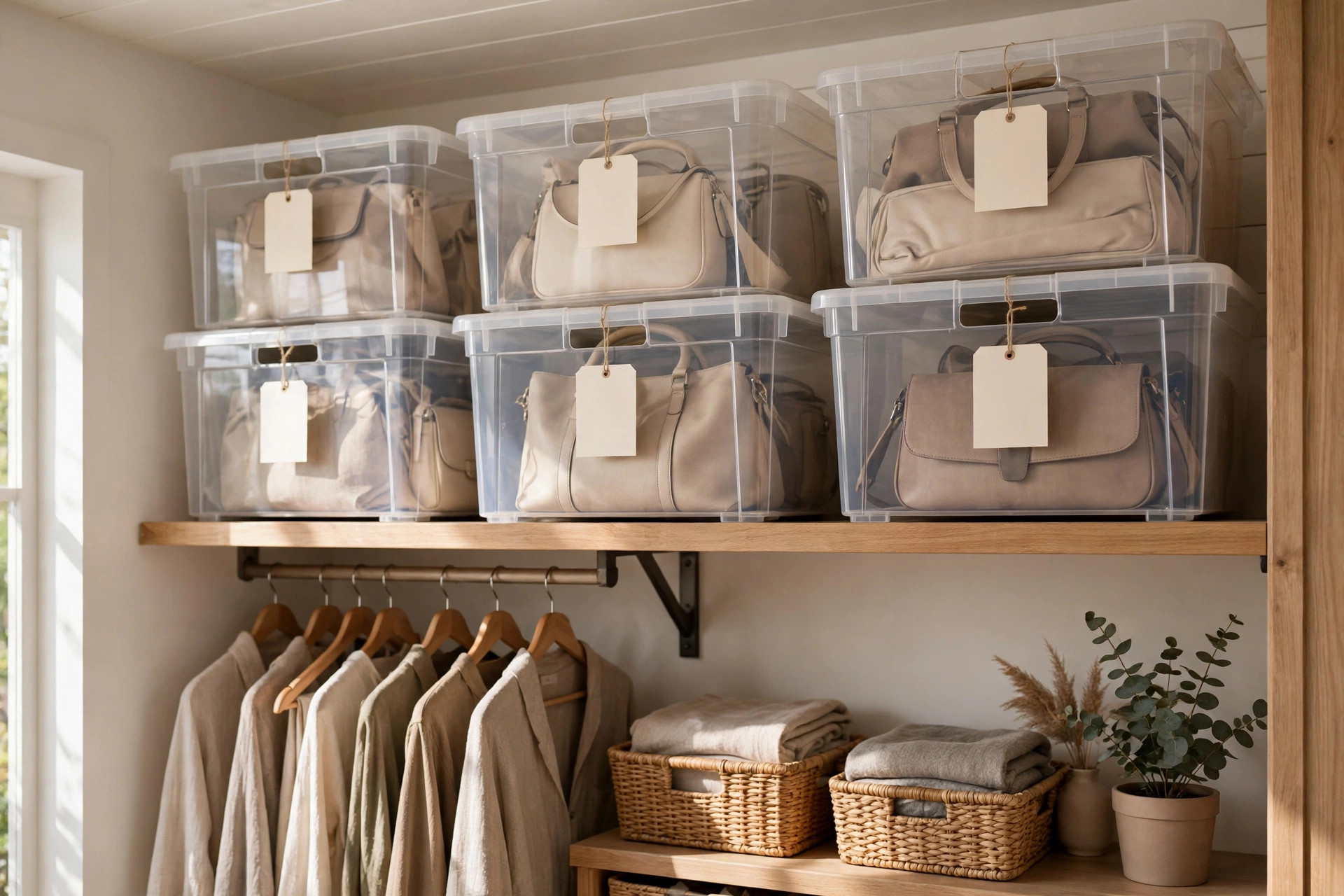
Storage by bag type: totes, work bags, evening and travel
11. A file organizer for clutches and small bags
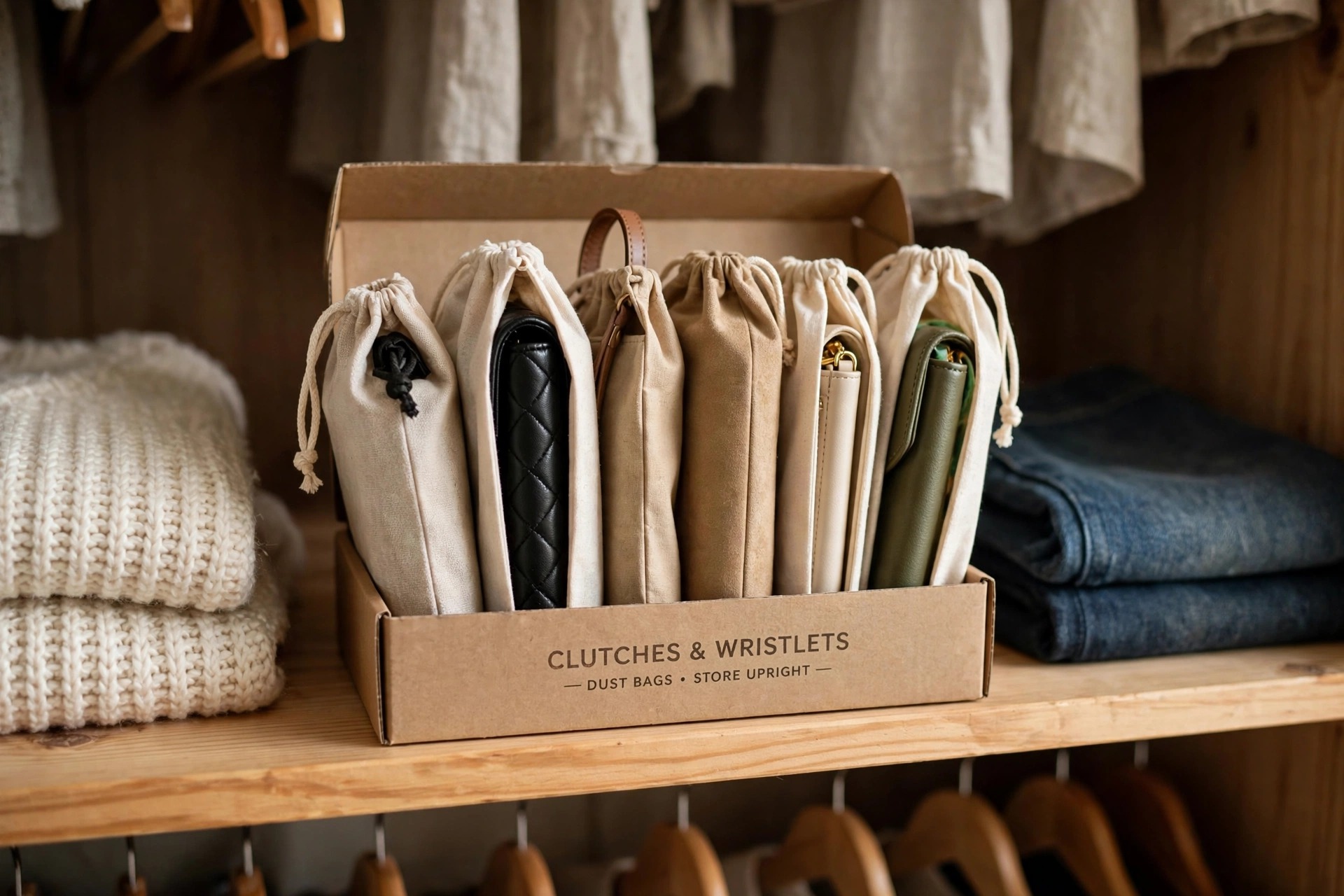
Clutches and small evening bags are the worst thing to store flat, because they slide, scratch and disappear under bigger bags. Stand them upright in a desktop file organizer — the kind made for folders, in acrylic or metal — with one clutch per slot, like files in a drawer. The organizer sits on a shelf, keeps every clutch visible and separate, and stops a beaded bag scratching a satin one. Keep the evening bags together in one organizer, so the whole set is in one place when you need it. One organizer, one shelf, and the small bags stop getting lost.
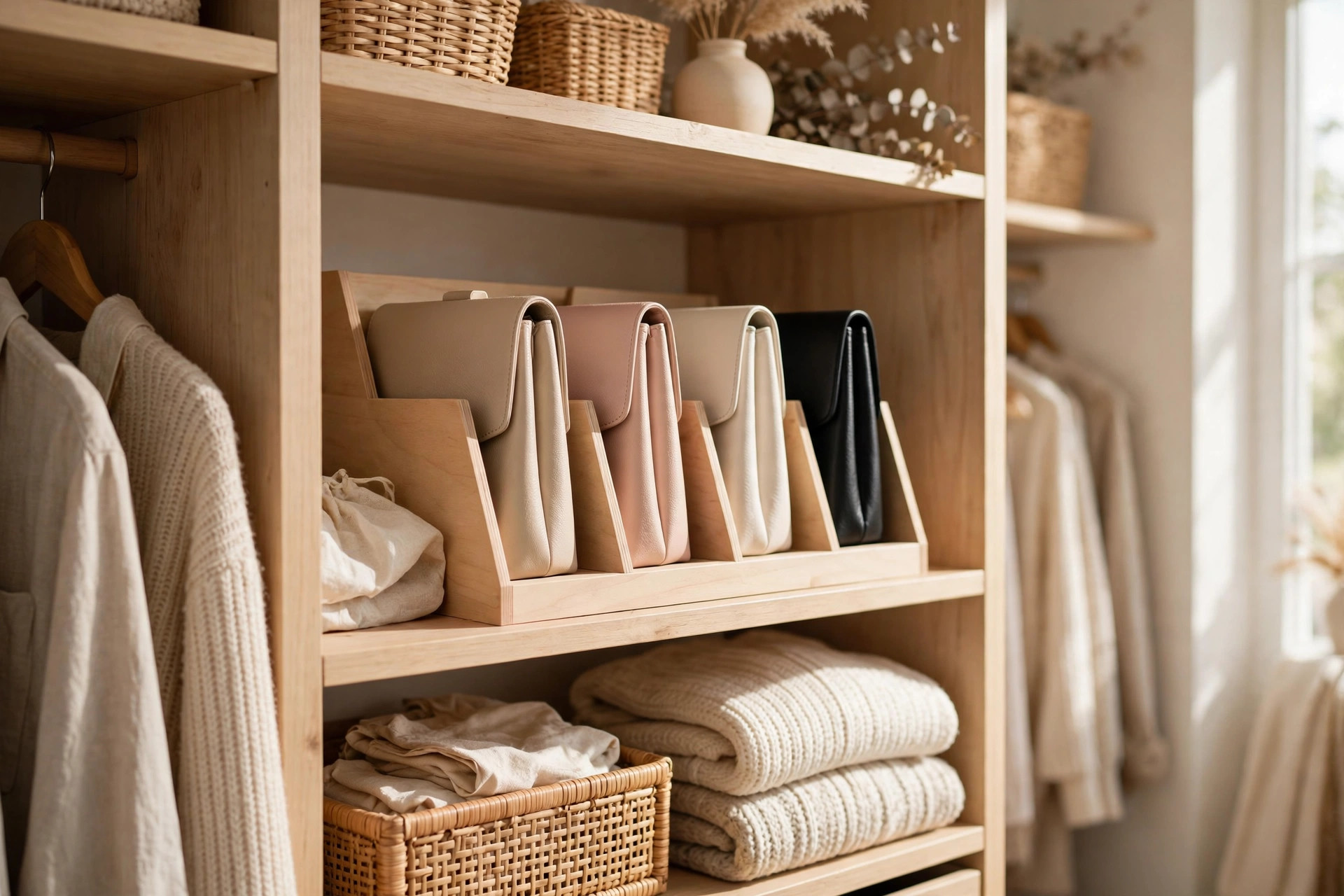
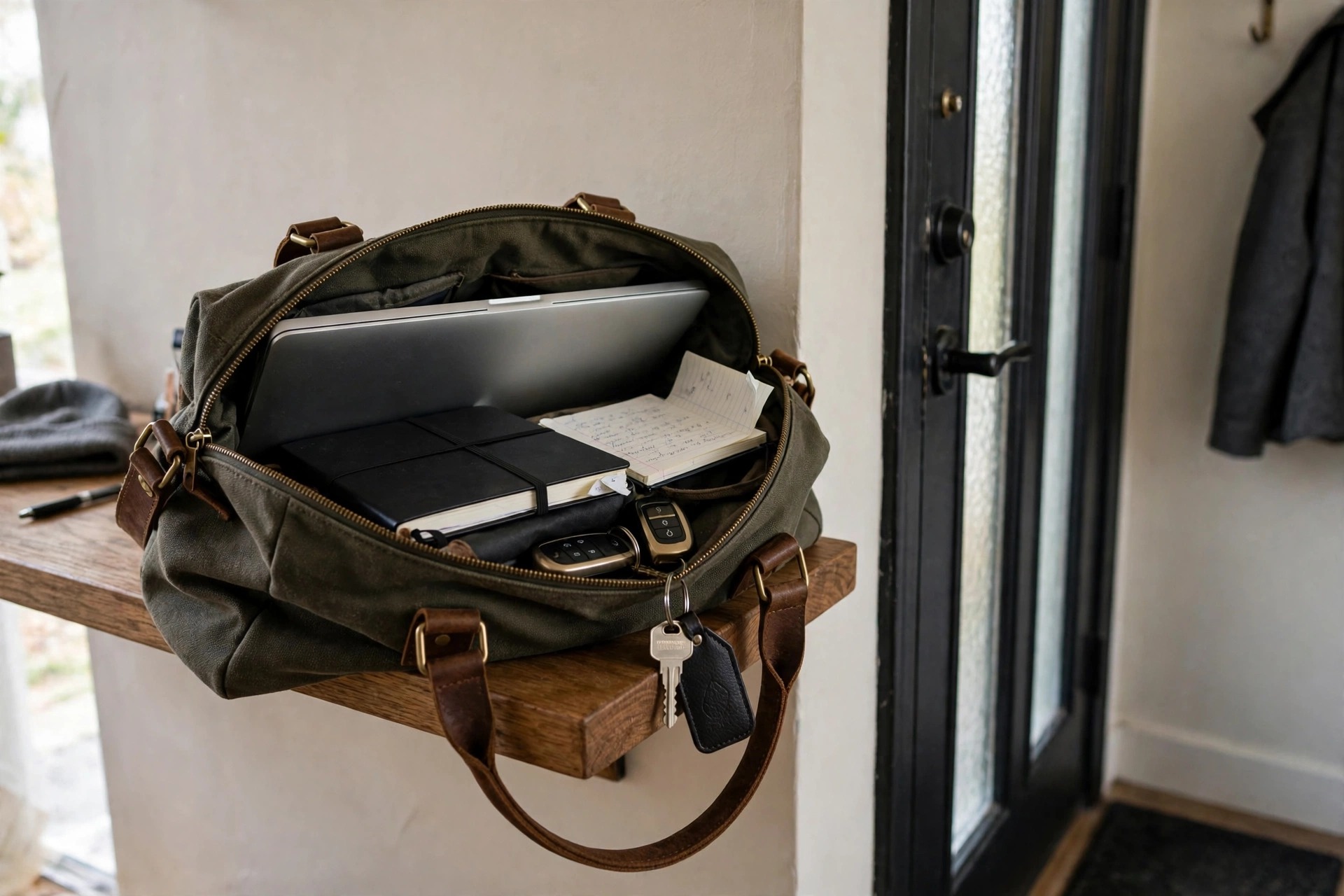
12. One shelf, one work bag, always packed the night before
A work bag that lives in three places is a work bag you repack every morning. Give the work bag one shelf, at arm height near the door, and pack it the night before: laptop, notebook, water bottle, keys in the same pocket every time. In the morning you grab it and go, without thinking, and in the evening it goes straight back to its shelf, empty of the day's papers. Keep the work shelf to one bag only, so a second work tote has to earn its place by replacing the first. One shelf, one bag, and the workday starts on time.
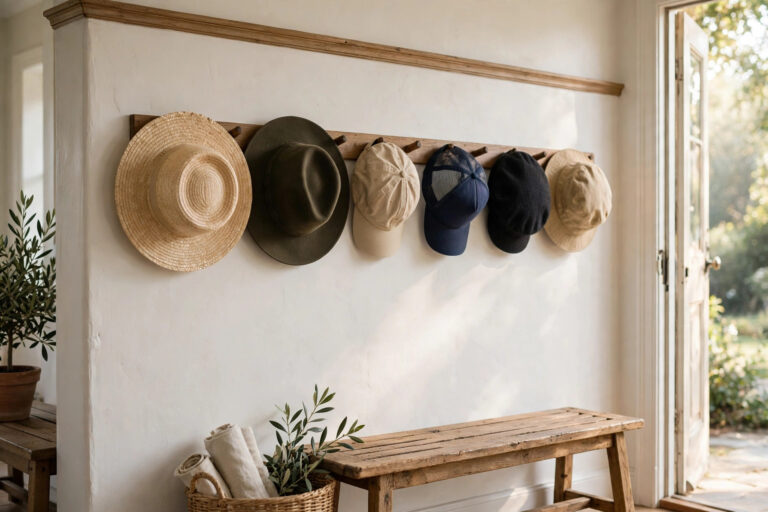
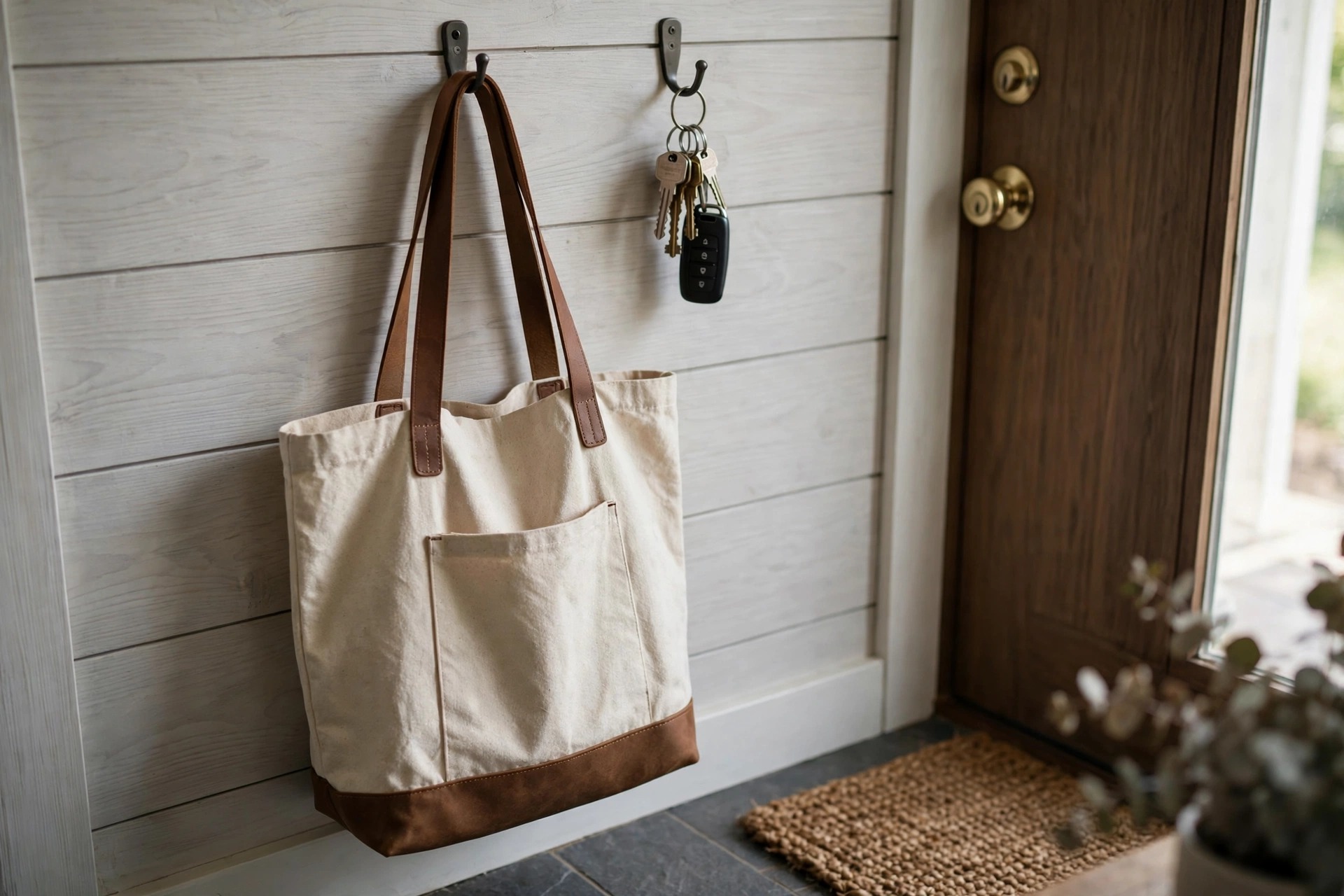
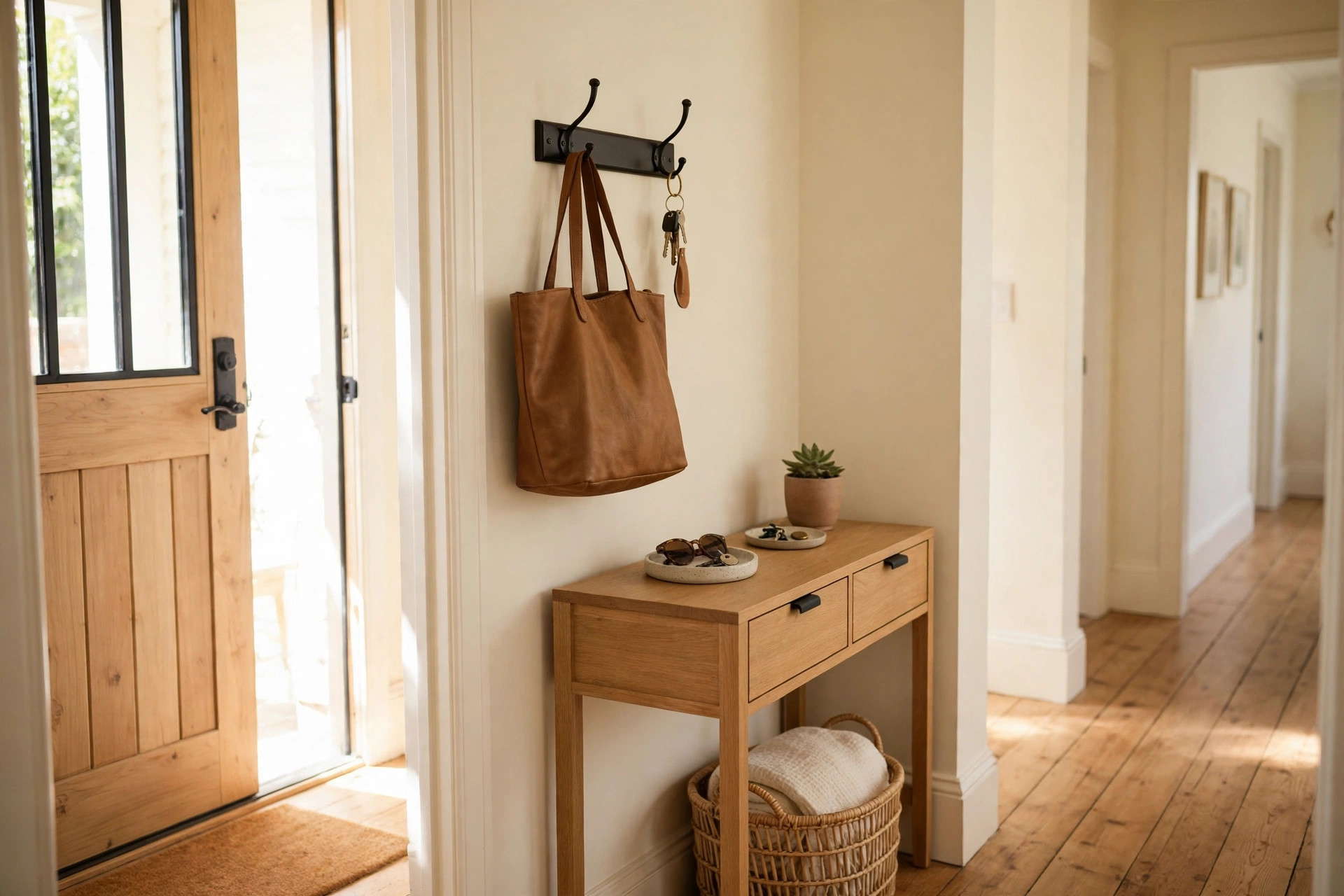
13. Hang the tote you grab most, by the door
The everyday tote is not a closet bag — it is a door bag, and it should live where you leave the house. Hang one hook by the front door, at shoulder height, and make it the home of the current everyday tote only. Keys go on the hook beside it, the bag goes on the hook when you come in, and the morning is one grab instead of a hunt through the closet. When you switch totes, the old one goes back to its shelf and the new one takes the hook, so there is never more than one bag by the door. One hook, one tote, and the bag is never left on the floor.
14. Dust bags on, always — even for everyday bags
A dust bag is not just for the expensive bags in their boxes; it is the cheapest way to keep every bag clean. Keep each purse in its own dust bag on the shelf, drawstring closed, and the bag stays free of dust, sunlight and scuffs from the bag beside it. If a bag came without one, a cotton pillowcase does the same job, and a label on the outside tells you which bag is inside without opening it. Never store a leather bag in plastic, because trapped moisture damages it, and never skip the dust bag for the bag you use most — that is the one that needs it most. Dust bag on, every time, and the bags age years slower.
15. A separate home for travel bags and weekender totes
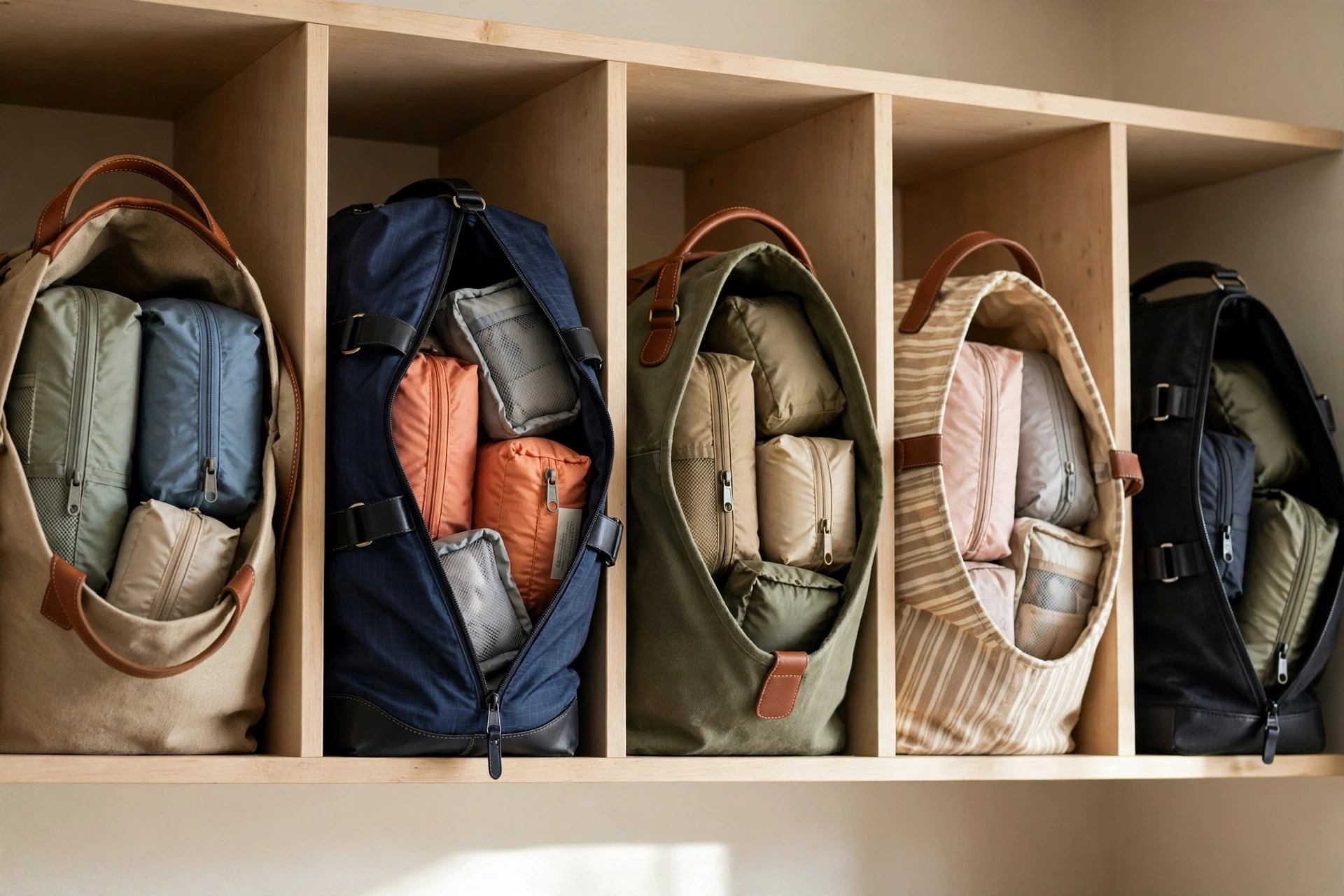
Travel bags are bigger, heavier and used less often than everyday purses, and they should not take up eye-level shelf space. Give them their own home on a high shelf or in the top of the closet, one bag per slot, stuffed lightly so they hold their shape. Keep the packing cubes and travel wallet inside the weekender, so the whole travel set is packed and ready, not scattered across the closet. When a trip is coming, you pull down one bag, not five. One home, up high, and the everyday shelves stay for the everyday bags.
16. Keep evening bags together, in one small box
Evening bags are small, delicate and easy to lose in a closet full of totes. Keep them together in one small box or one file organizer on a single shelf — clutches, wristlets and small chain bags, each in its own dust bag, standing upright. The box is the whole evening collection in one place, so choosing one takes seconds and none of them gets crushed under a tote. Keep the box to the bags you actually wear, and move the ones you have not carried in a year to the donation bag. One box, one shelf, and the evening bags stop hiding.
Small spaces, entryways and keeping bags beautiful
17. A narrow shelf above the door for the overflow
A small bedroom has no floor space to spare, so purse storage has to go up. Fit a narrow shelf above the closet door or above the bedroom door, and keep the occasional bags there — the ones you wear monthly, not daily — standing upright in a row. The shelf uses space that is otherwise wasted, keeps the bags visible, and costs almost nothing to fit. Keep the daily bags at eye level and the overflow up high, and never put a heavy tote above the door, because that is how bags fall and handles break. One narrow shelf, and a tiny room gains a whole row of storage.
18. A purse organizer insert for the bag you are carrying
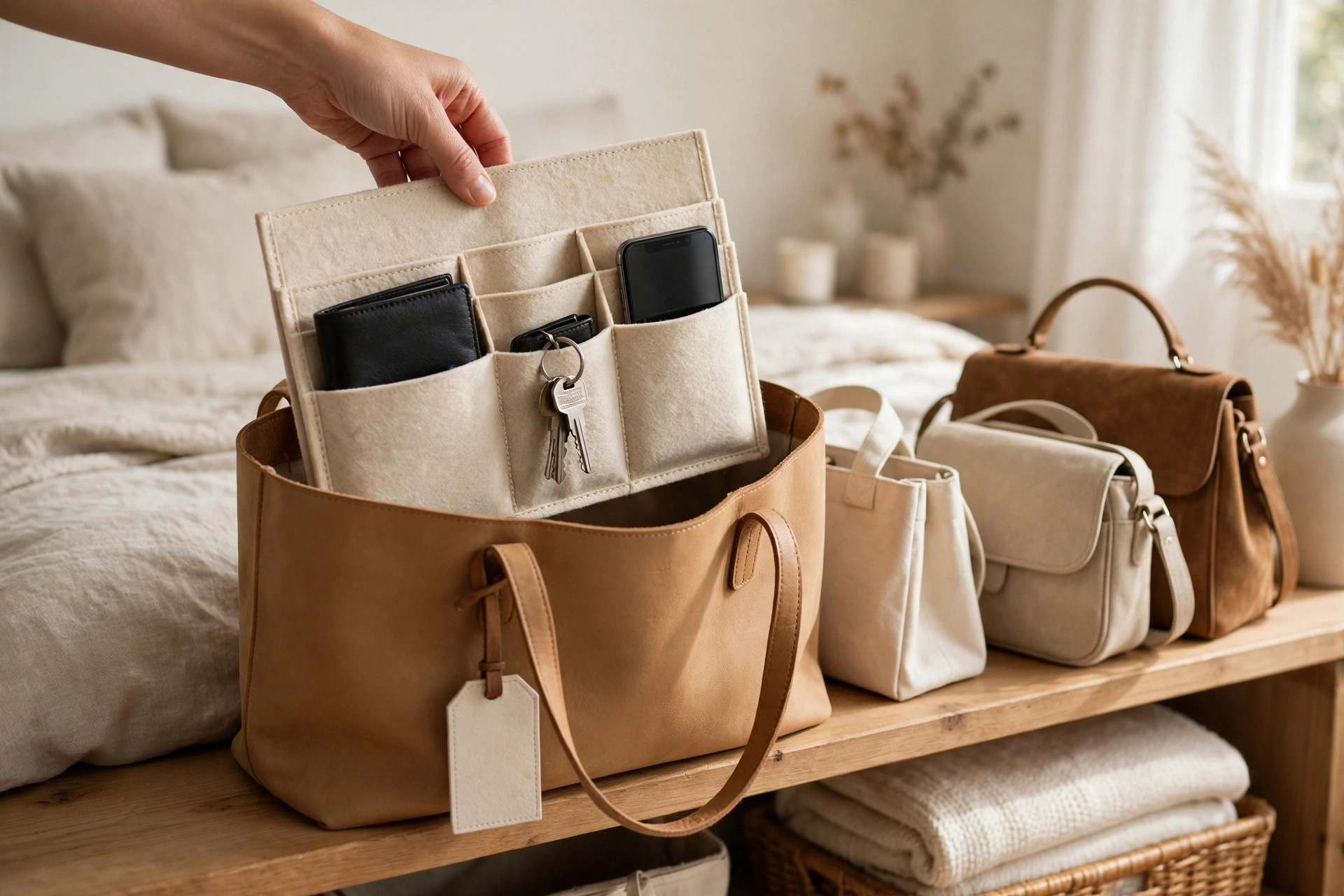
A purse organizer insert — a lightweight felt or fabric organizer with pockets — turns one big tote into a bag with a place for everything, and it makes switching bags take a minute instead of fifteen. Keep your essentials in the insert, lift the whole insert out of one bag and drop it into the next, and the wallet, keys, phone and lip balm are already in the right pockets. It also protects the inside of the bag from pens, keys and spills, which is how the lining stays clean. One insert, moved bag to bag, and the daily switch stops being a repack.
19. An entryway tray for keys, wallet and the bag's contents
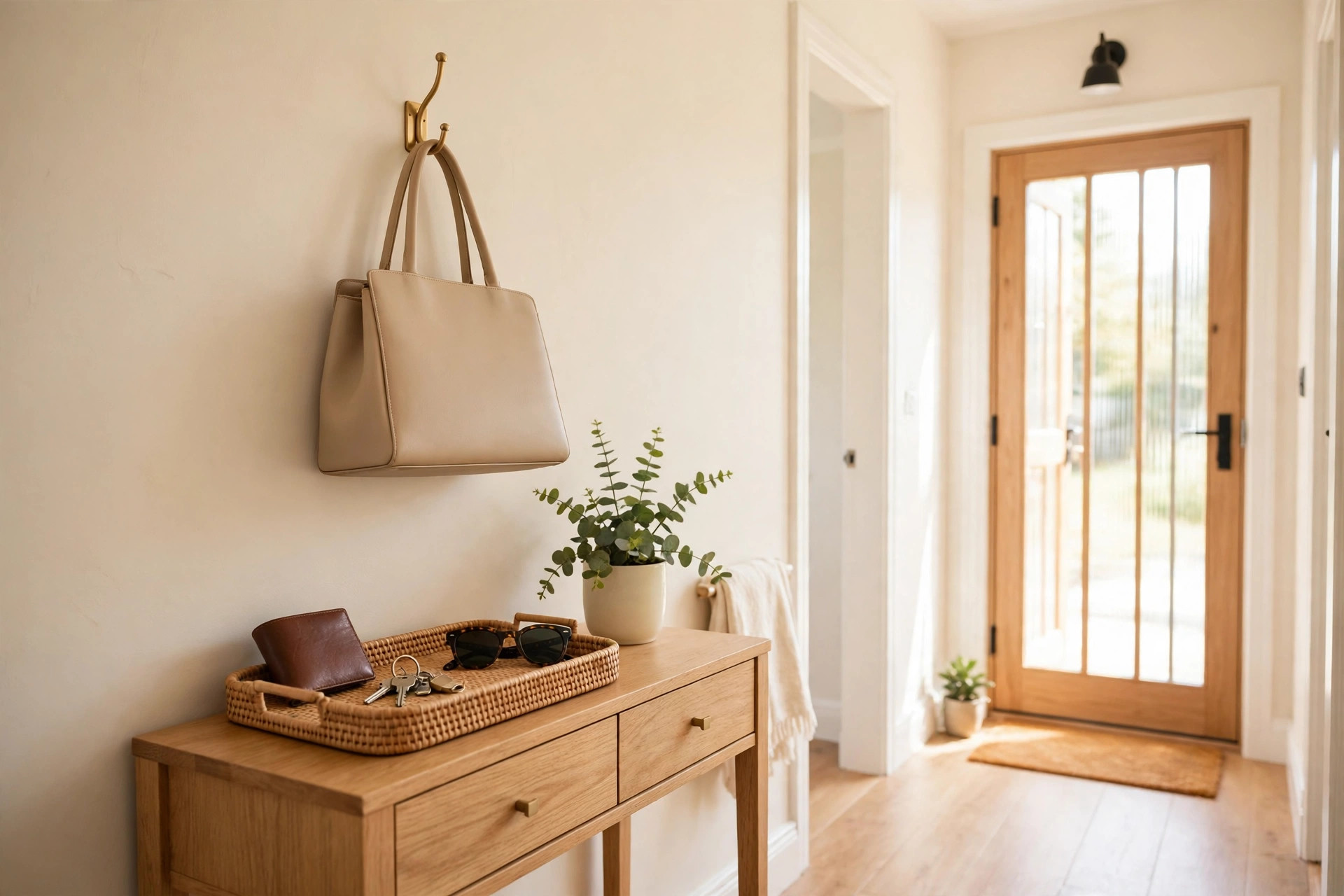
The mess is rarely the purse itself — it is everything that comes out of it when you get home. Put a small tray on the entryway table, and make it the landing pad for the contents: wallet, keys, sunglasses and phone go in the tray, the empty bag goes to its hook or shelf. The tray keeps the small things together, stops keys scratching the bag, and means the morning grab is one tray, one bag, out the door. Keep the tray to the daily essentials only, and clear it once a week. One tray, by the door, and the purse clutter stops at the entrance.
20. Rotate the display bag, like a shop window
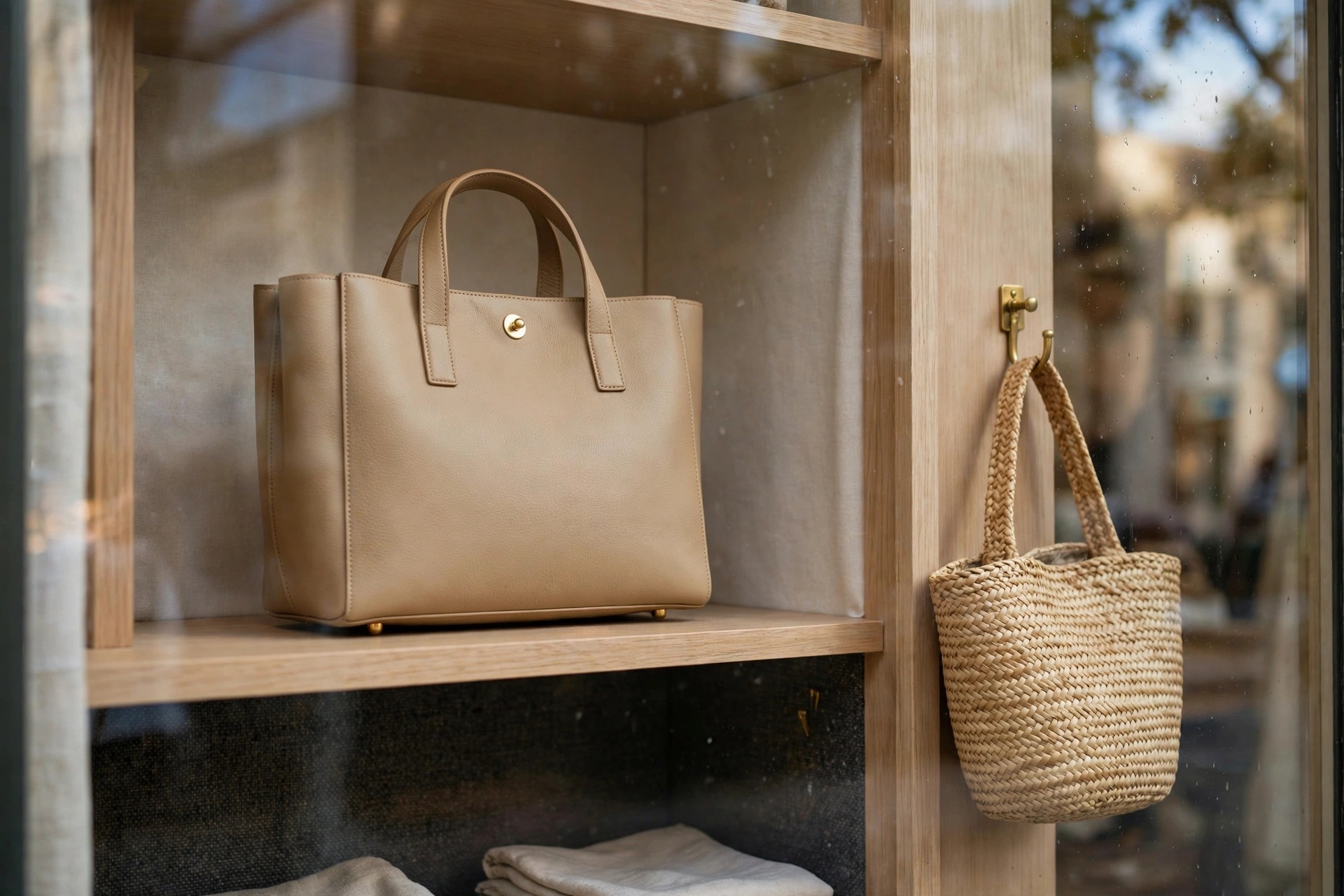
A closet with no bag on show looks empty; a closet with every bag on show looks crowded. The answer is one bag on display, chosen on purpose: the structured tote on the shelf, the woven bag on the hook, or the colourful clutch in its organizer, sitting where you see it first. Rotate the display bag every month, so the collection feels fresh without buying anything, and the bag on show is the one you reach for most. Keep it to one display, keep it tidy, and keep it where it photographs well — it is the reason the closet still looks like a closet, not a storage room.
21. Photograph each bag once, and keep the photo on the shelf
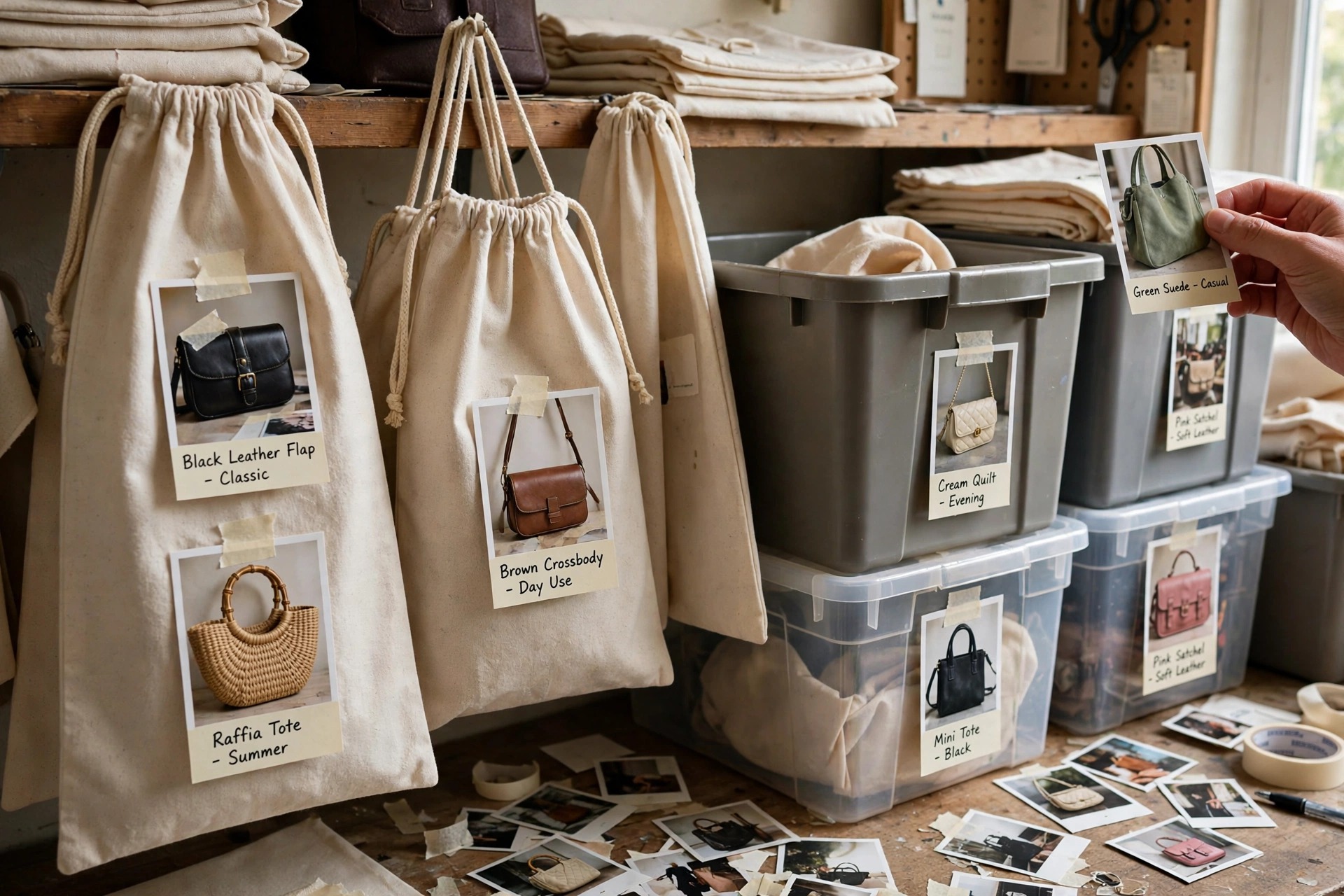
When bags live in dust bags and bins, you forget what you own — and you buy a bag you already have. Photograph each purse once, print the photo small or keep it on your phone, and stick it on the front of its dust bag, bin or shelf slot. Choosing a bag becomes browsing the photos, not opening every dust bag, and the collection stays visible even when it is protected. The photos also help when you sell or donate a bag, because the listing is already half written. One photo per bag, and the closet stops hiding its own collection.
22. Care for the bag, not just the shelf it sits on
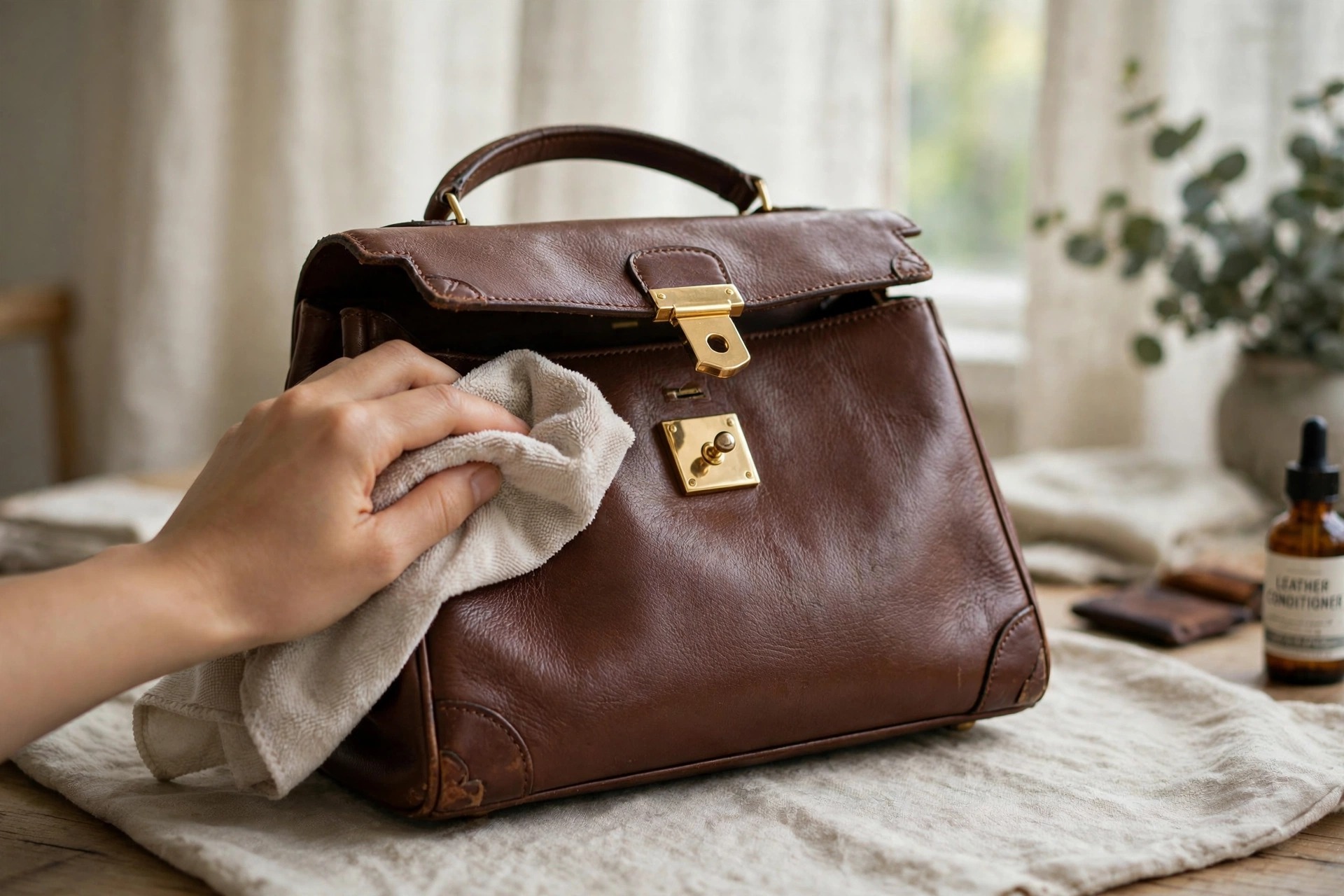
Storage only helps if the bag itself is looked after. Wipe leather with a soft cloth once a month, keep bags out of direct sunlight so colours do not fade, and never hang a heavy bag by one strap for months, because the strap stretches and the shape goes. Check the clasps, zips and corners when you rotate the bags, and repair a loose stitch before it becomes a tear. A bag stored well and cared for lightly lasts years longer than a bag stored perfectly and never checked. Care for the bag, and the shelf takes care of itself.
Which purse storage fits which home?
| Home / situation | Best first move | Budget | Tools needed |
|---|---|---|---|
| Crowded closet / lots of bags | Stand upright in a row + shelf dividers (ideas 6, 7) | Low | Dividers |
| Small bedroom / no shelf space | Hooks + narrow shelf above the door (ideas 8, 17) | Low | Hooks / screws |
| Many small / evening bags | File organizer + one small box (ideas 11, 16) | Low | File organizer |
| Everyday tote, always in use | One hook by the front door (idea 13) | Low | One hook |
| Seasonal rotation | Clear bins on a high shelf (idea 10) | Low | Clear bins |
| Bags losing their shape | Stuff lightly + dust bags on (ideas 4, 14) | Low | Tissue / dust bags |
You do not need all 22 ideas. You need the three that solve your biggest mess — usually the bags with no home, the pile you cannot see into, and the everyday tote that lives on a chair. Start with the sort, stand the bags upright in a row, and make the rule that every bag goes back empty, stuffed and in its dust bag. Do that tonight and the closet will feel different by tomorrow morning.
Save this post for your next closet clear-out, and if you are finishing the Storage by room cluster too, read 20 Outdoor Toy Storage Ideas for 2026 next — it is Post 06 in the same cluster — and 25 Pantry Organization Ideas for 2026, Post 08, to carry the same system from the closet to the kitchen.
Published 13 November 2026. Updated as new purse storage finds are tested.
Frequently asked questions
How do I store handbags so they keep their shape?
Store handbags upright and stuffed so they hold their shape. Shelf dividers file them like books, tissue paper inside keeps the structure, and a dust bag protects the leather — never hang a bag by its handles, which stretches them out of shape.
What is the best way to organize purses in a small closet?
File purses upright instead of stacking them. Acrylic shelf dividers keep each bag standing, S-hooks on the closet rod hold totes, a file organiser holds clutches, and clear bins on the top shelf keep seasonal bags dust-free.
How do I store everyday bags by the door?
Give your everyday bag one hook by the door and a small tray beside it. The tote hangs on its hook, wallet and keys land in the tray, and everything you need for leaving the house is in one spot.