20 DIY Water Fountain Ideas for 2026
A garden without the sound of water is a garden that feels finished but not alive, because the plants are planted, the bench is built, and everything looks right — yet the corner by the fence is quiet, and the evening on the patio is missing the one sound that makes you sit down and stay. The fountain is not the problem — the problem is that a shop-bought stone fountain costs more than the bench, needs an electrician, and weighs more than two people can lift, so the water never happens and the corner stays quiet.
These 20 diy water fountain ideas give you the sound of running water for the price of a pump: a container fountain in an afternoon, terracotta pots stacked into tiers, a solar fountain with no wires at all — so the next evening on the patio has water trickling in the background instead of silence.
Every idea below works in a real garden, from a balcony where the whole fountain fits on a table to a backyard where the fountain becomes the corner the bench faces. The bench beside the fountain gets its own build in 26 DIY Outdoor Bench Ideas for 2026, where the seat faces the water — and the yard around the fountain gets its full treatment in 26 DIY Yard Decor Ideas for 2026. Pick three ideas that fit your space, start with the container fountain, and build from there.
Pick your fountain style
1. Start with a container fountain — the easiest first build
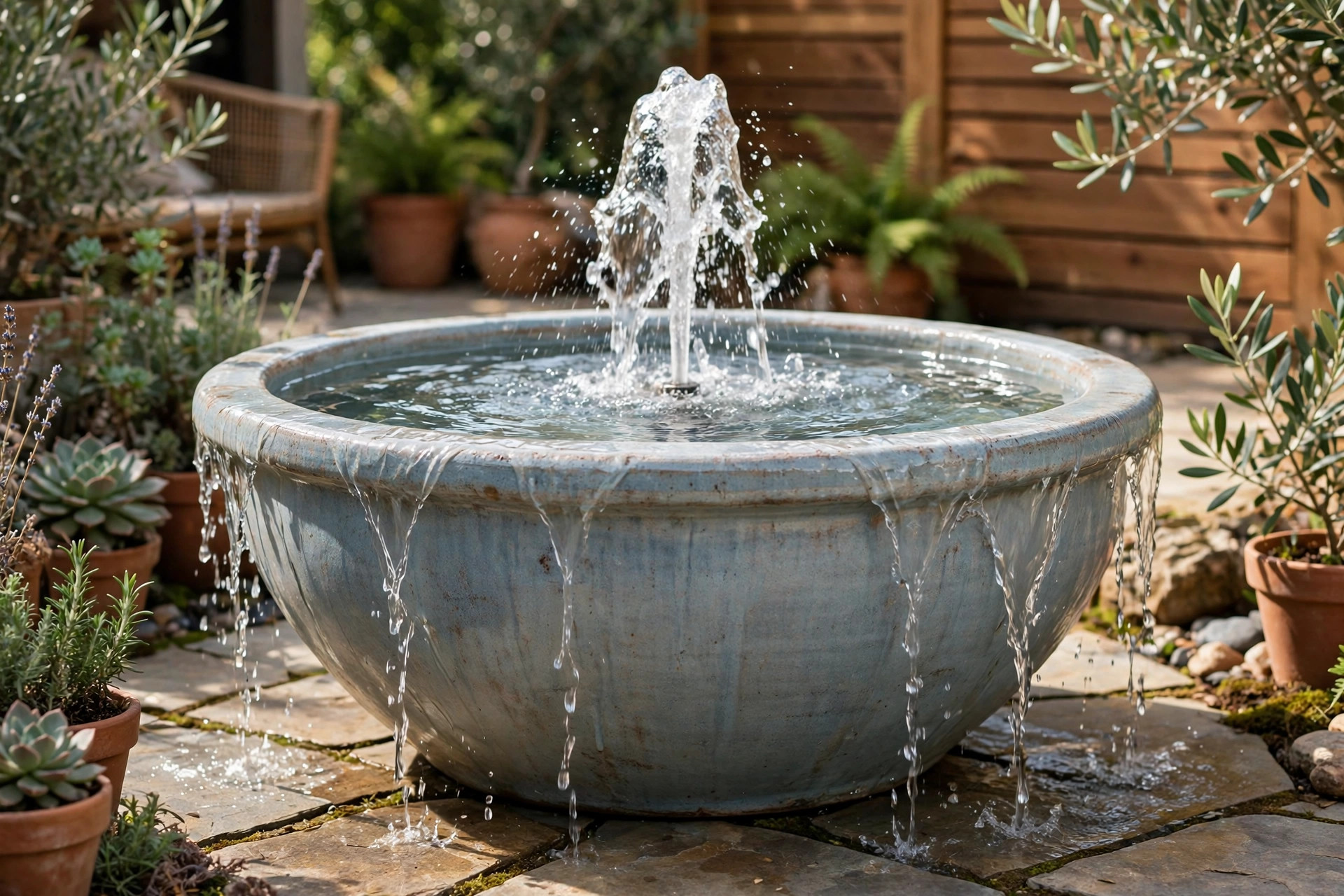
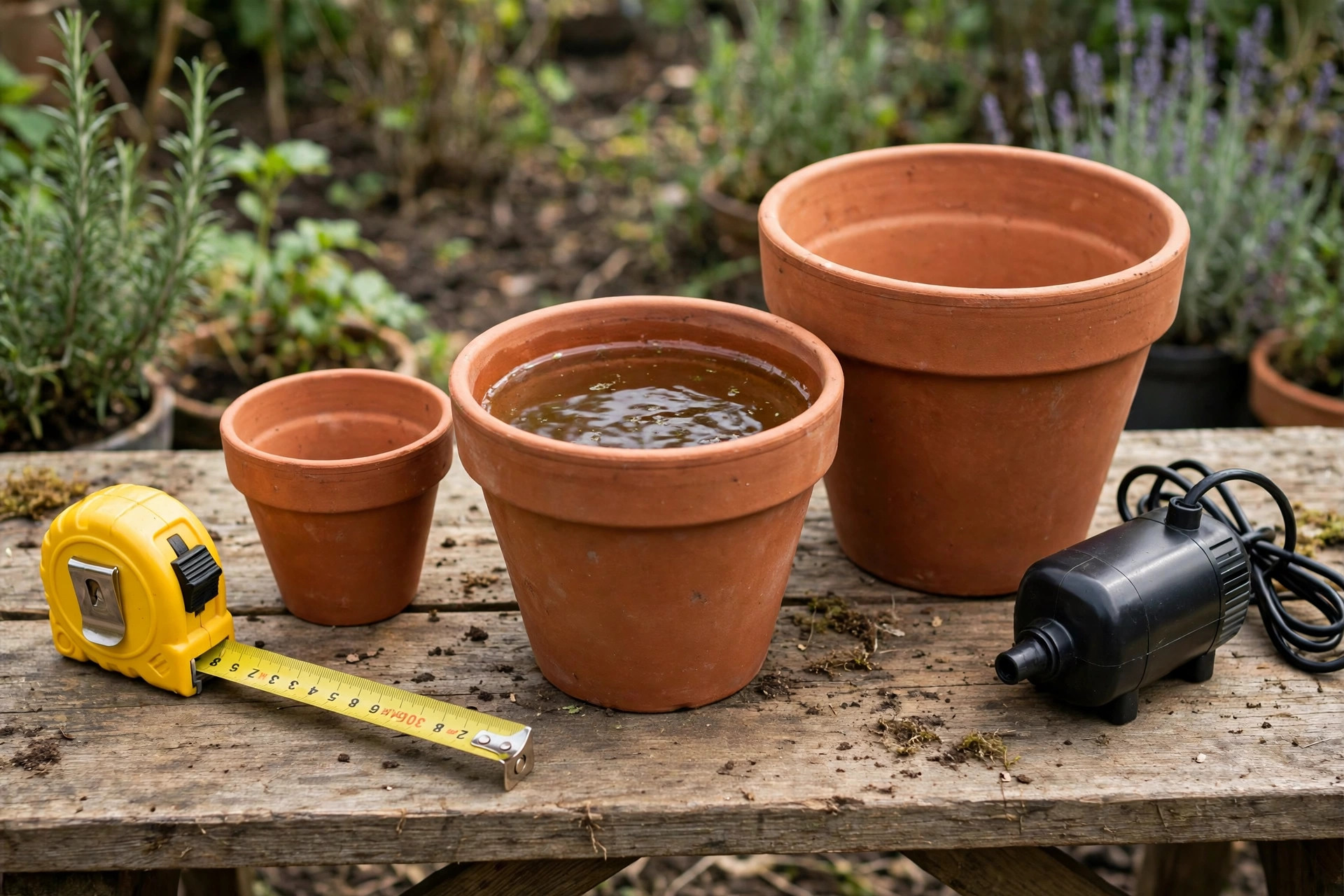
A container fountain is the fountain that asks for the least and gives the most, because the container is the basin, the pump sits inside it, and the water rises from the middle and falls back into the same pot — so there is no digging, no plumbing, and nothing to hide. Pick a container first: a wide ceramic pot, a stone trough, or a deep bowl, because the container that holds a gallon or two is the container that keeps the pump covered and the water from running dry. Set the pump in the bottom, run the hose up through the middle, and let the water fall back into the container, because the fountain that recycles its own water is the fountain that never needs a tap. Start with the container fountain if you have never built one, because the build that takes an afternoon is the build that teaches you the pump, the hose and the sound — and the next fountain you build will be the tiered one. One container, one pump, and the water is running.
2. Stack terracotta pots into a tiered fountain
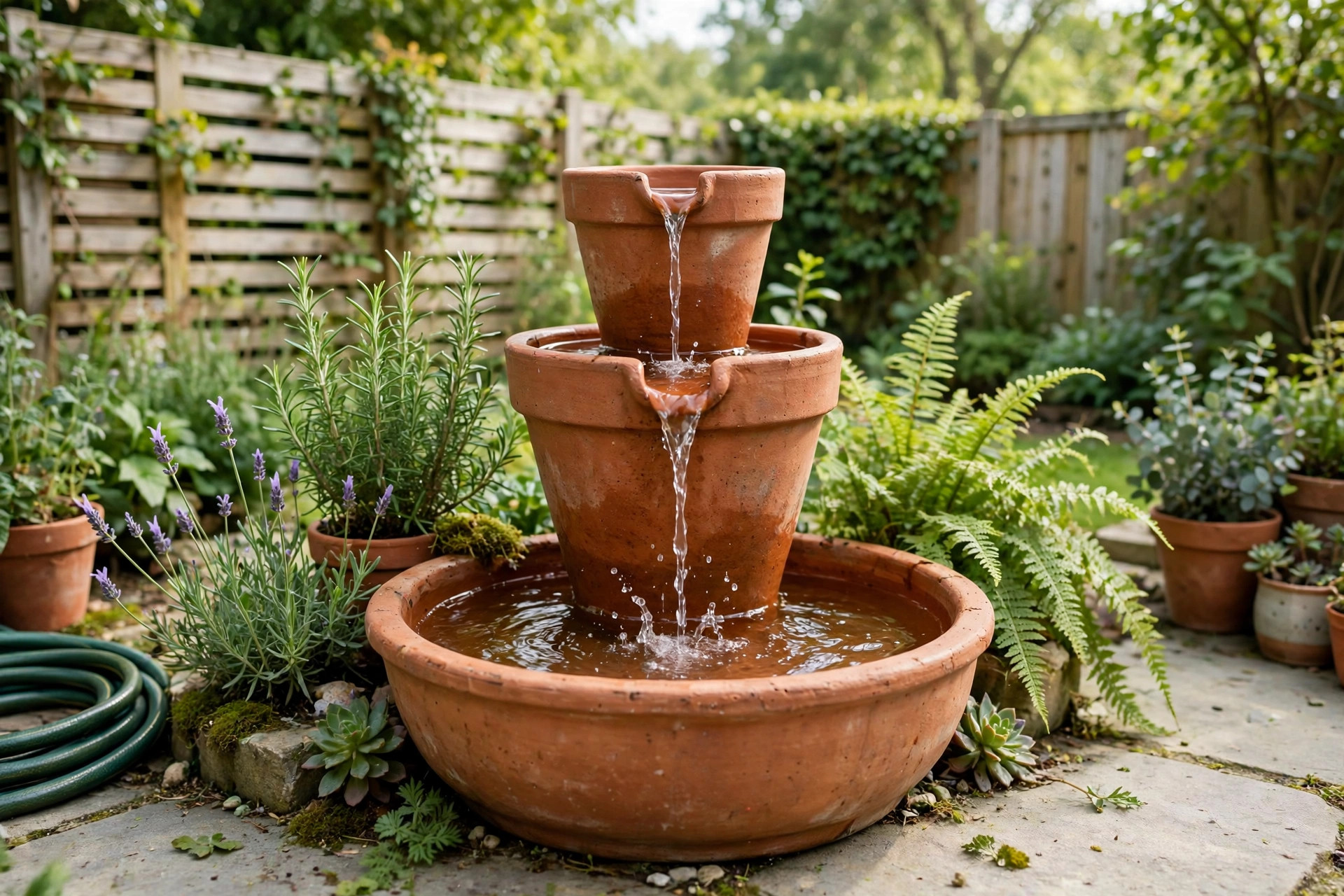
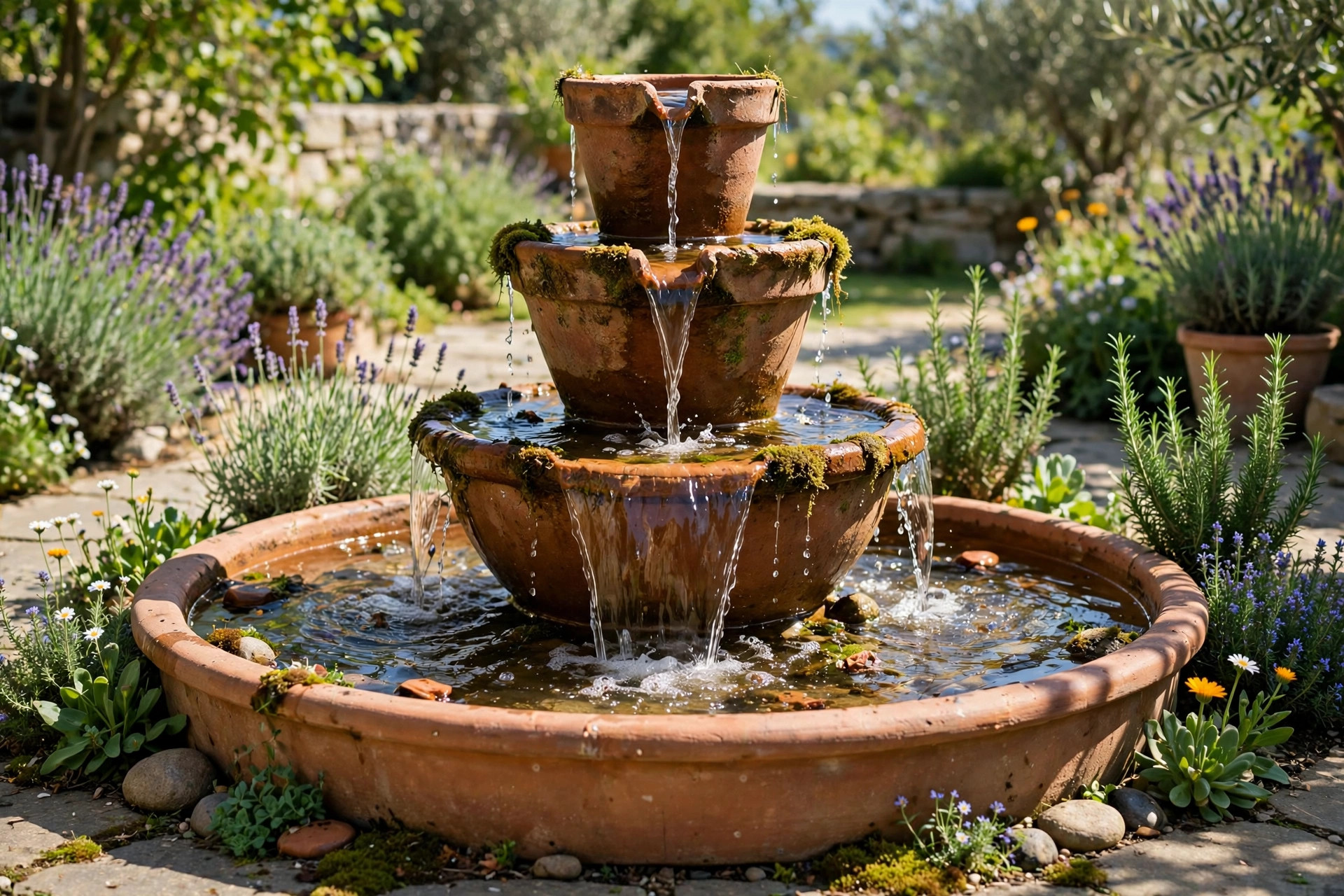
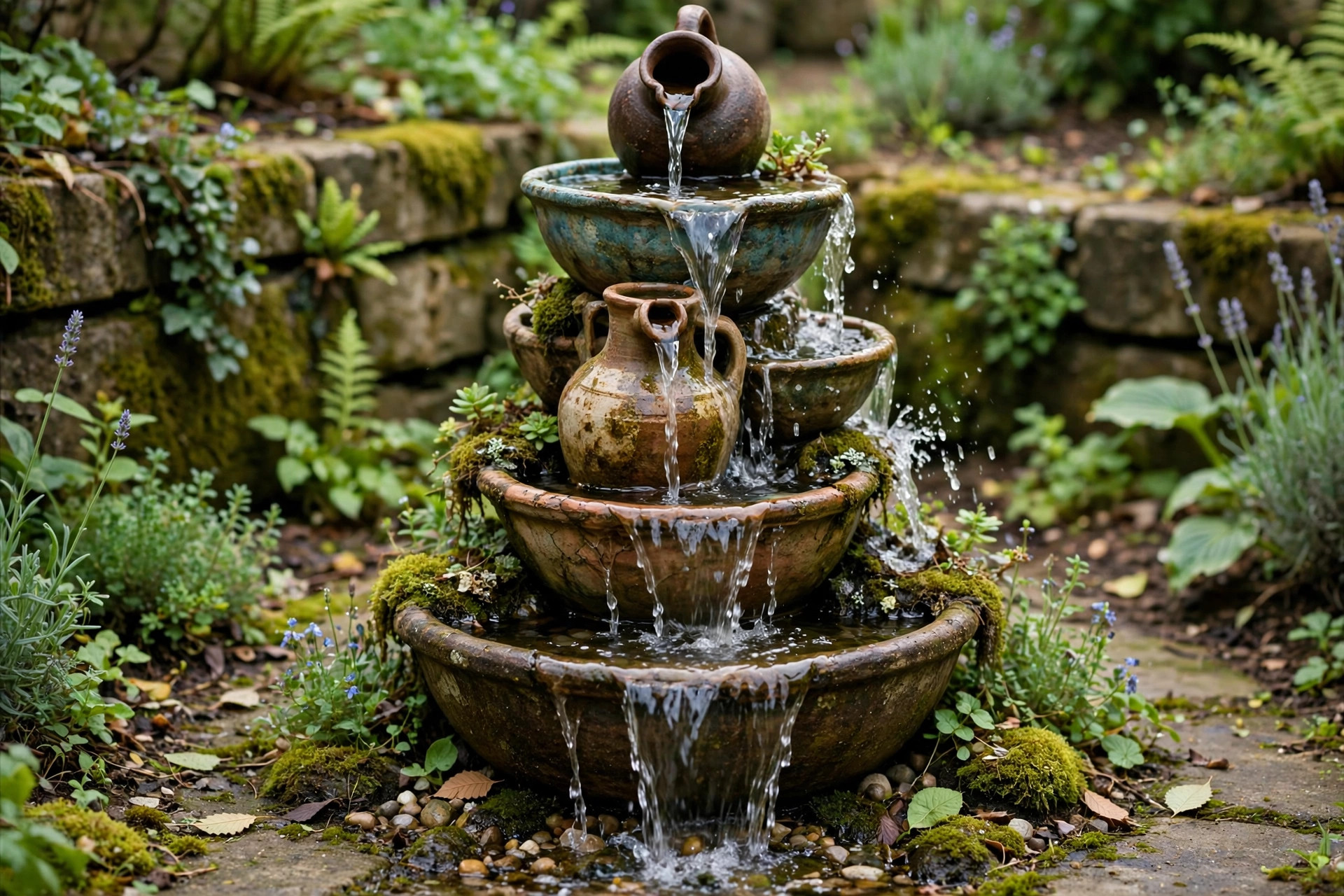
Terracotta pots are the cheapest way to make a fountain look like it cost ten times more, because the pots are warm, the water darkens them as it runs, and the tiers make the water fall in steps — so the fountain sounds like a stream instead of a tap. Stack three pots of different sizes, largest at the bottom and smallest at the top, and run the hose up through the middle of the stack, because the water that falls from pot to pot is the water that makes the sound. Drill a hole in the bottom of each upper pot for the hose, and seal the holes with silicone so the water goes over the rim instead of leaking through the base, because the pot that leaks at the bottom is the pot that empties the basin. Keep the stack low — three pots is enough — because the stack that is too tall is the stack that wobbles, and the fountain that stands steady is the fountain that runs all summer. One stack of pots, and the garden has a waterfall.
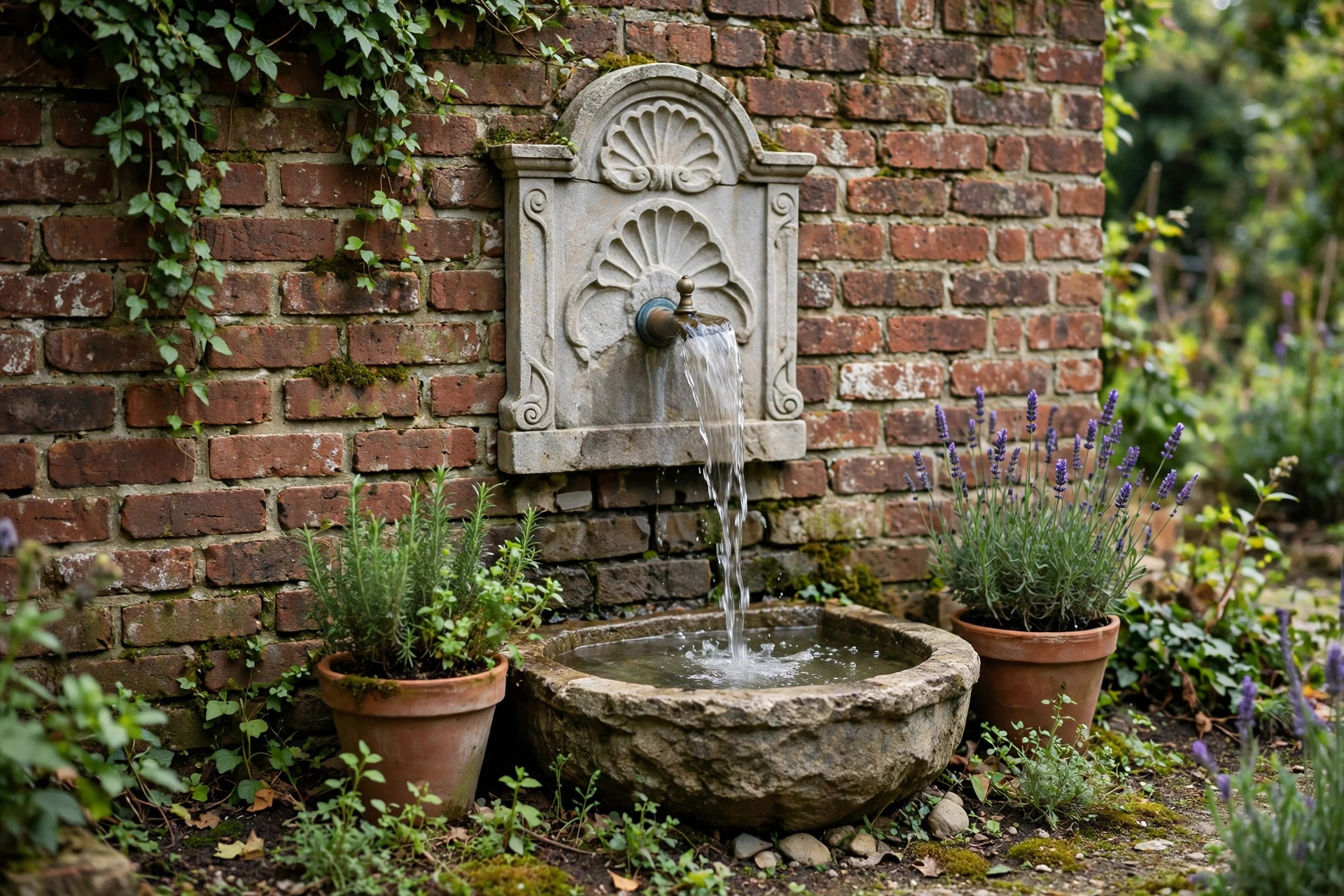
3. A wall fountain for a small garden
A wall fountain is the fountain for the garden that has no floor space, because the wall above the patio is empty, the floor is full of pots and chairs, and the fountain that hangs on the wall is the fountain that takes no ground at all. Fix a small basin to the wall at knee height, mount a spout above it, and let the water fall from the spout into the basin, because the water that falls a short distance is the water that makes a gentle sound without splashing the patio. Use a wall that gets sun for part of the day, because the wall that is shaded all day is the wall where the water goes green, and the spout that is fixed into a stud or a proper wall plug is the spout that never comes down. Keep the basin shallow so it empties easily for cleaning, because the basin that is deep is the basin that holds leaves and dirt, and the wall fountain that is easy to clean is the wall fountain that runs. One wall, one spout, and the small garden has water.
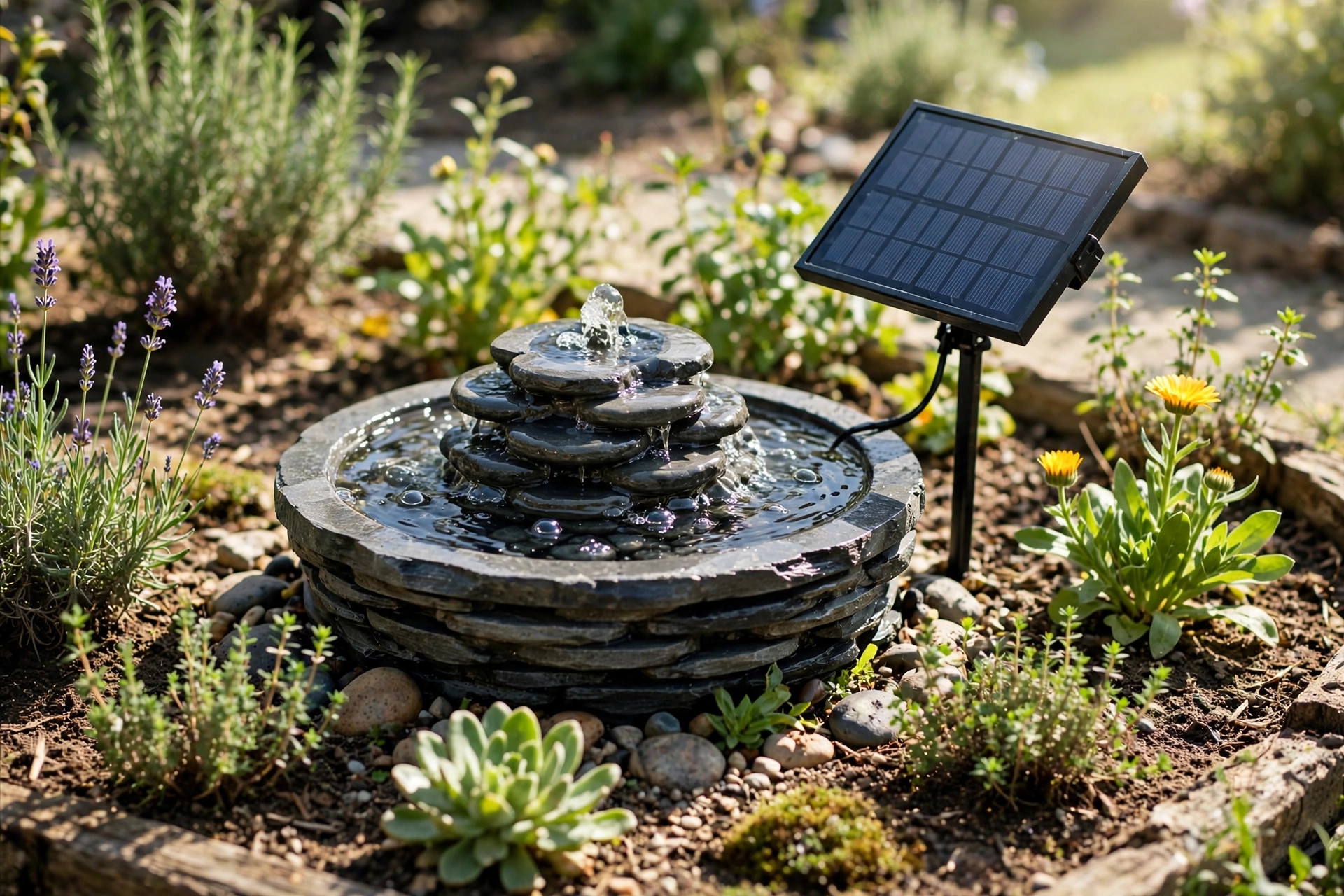
4. A solar fountain with no wires
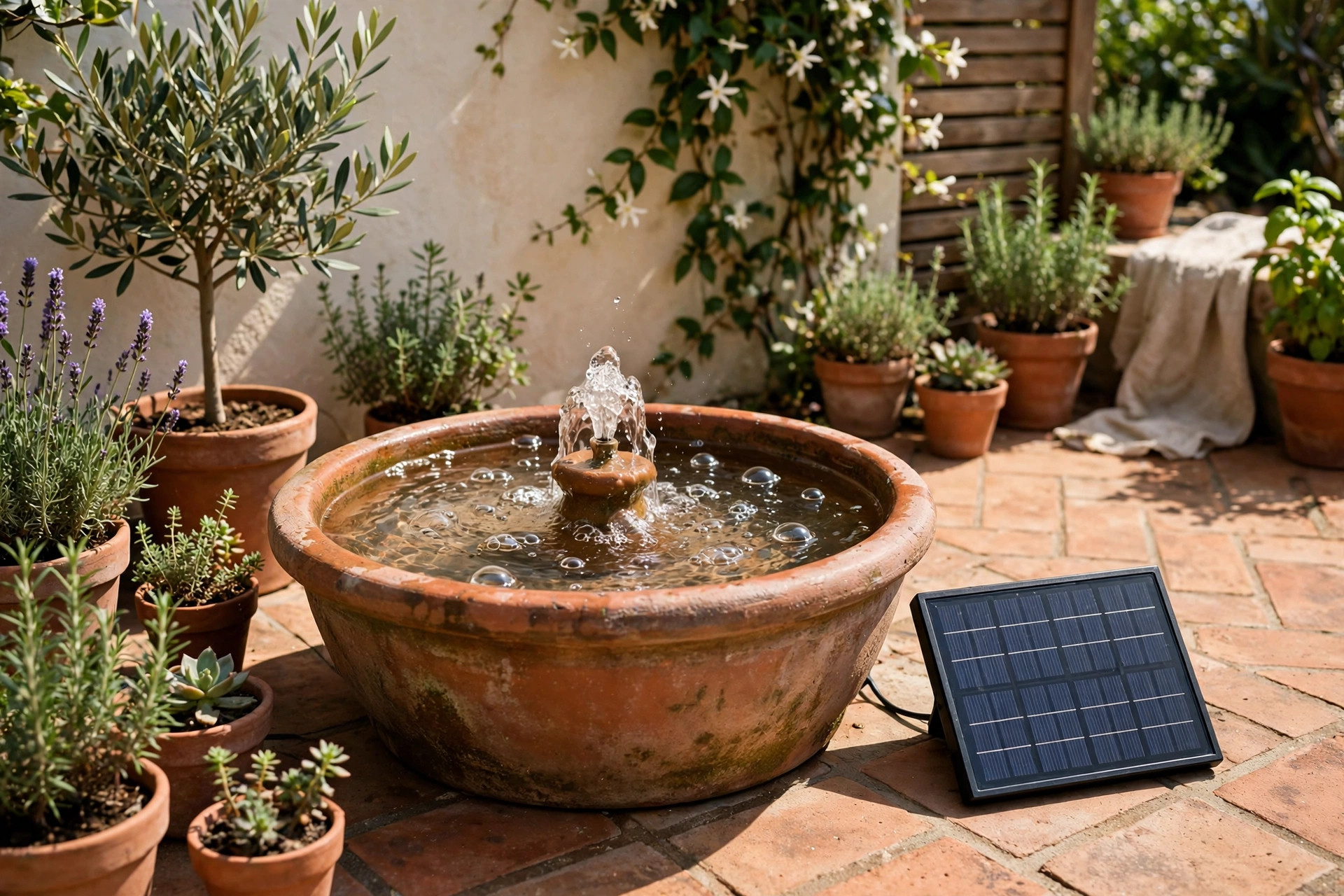
A solar fountain is the fountain for the garden with no outdoor socket, because the panel sits in the sun, the pump runs on the panel, and there is no cable to bury, no socket to fit, and no electrician to call. Put the solar panel where it gets direct sun for most of the day, because the panel that sits in shade is the panel that runs the pump for ten minutes and then stops. Keep the panel clean, because the panel that is dusty is the panel that makes half the power, and wipe it once a week with a damp cloth, because the wipe that takes a minute is the wipe that keeps the fountain running. Pick a kit with a battery, because the kit with a battery is the kit that keeps running when a cloud passes, and the fountain that runs through the clouds is the fountain that sounds like it is always on. One panel, one pump, and no wires at all. (Check on Amazon for a solar fountain pump kit with a battery backup, sized for a small basin.)
5. A tabletop fountain for a balcony
A tabletop fountain is the fountain for the balcony, because the balcony has no soil, no floor space for a barrel, and the fountain that fits on a table is the fountain that brings the sound of water to a flat. Use a small ceramic bowl or a shallow pot, a tiny pump, and a pebble or two for the water to fall over, because the fountain that is small is the fountain that is quiet enough for the neighbours. Keep the water level topped up, because the tabletop fountain holds so little water that the pump runs dry in a day of sun, and the pump that runs dry is the pump that burns out. Put the table near the door so you hear the fountain when you step out, because the fountain that is heard is the fountain that is enjoyed, and the balcony that has water is the balcony that feels like a garden. One bowl, one tiny pump, and the balcony has a fountain.

Build it with everyday materials
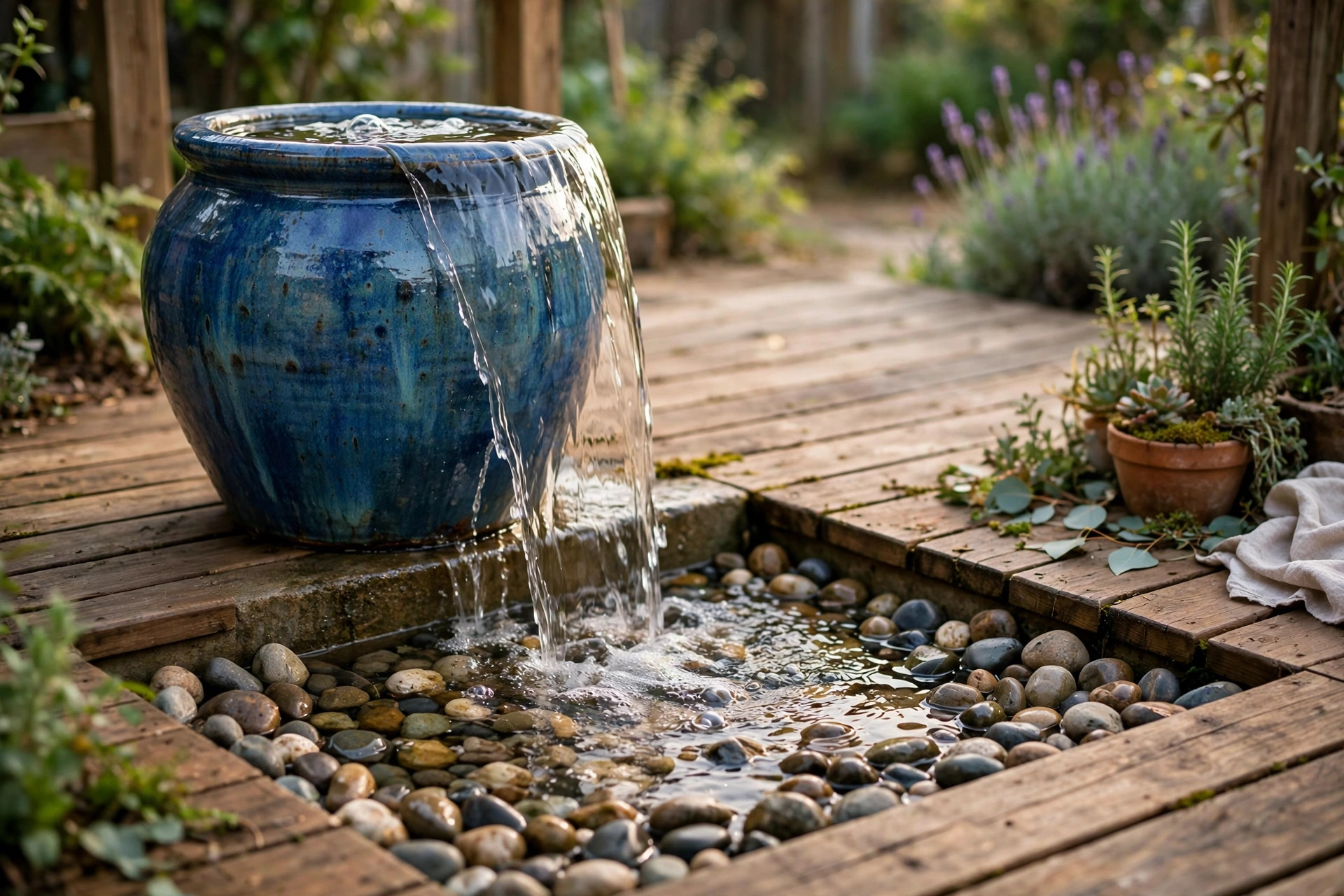
6. A ceramic pot fountain in an afternoon
A ceramic pot fountain is the fountain that looks bought and costs built, because the glazed pot is beautiful on its own, the water darkens the glaze as it runs, and the build is one pot, one pump and one afternoon. Pick a pot with a wide mouth and a flat base, because the pot that is wide is the pot that holds enough water for the pump, and the pot that is flat is the pot that stands steady on the deck. Drill a hole for the hose if the pot has none, seal it with silicone, and set the pump in the bottom under a layer of pebbles, because the pebbles that hide the pump are the pebbles that make the fountain look like it has no pump at all. Fill the pot, plug the pump in, and watch the water rise and fall back into the pot, because the fountain that is finished in an afternoon is the fountain that is running by dinner. One pot, one afternoon, and the deck has water.
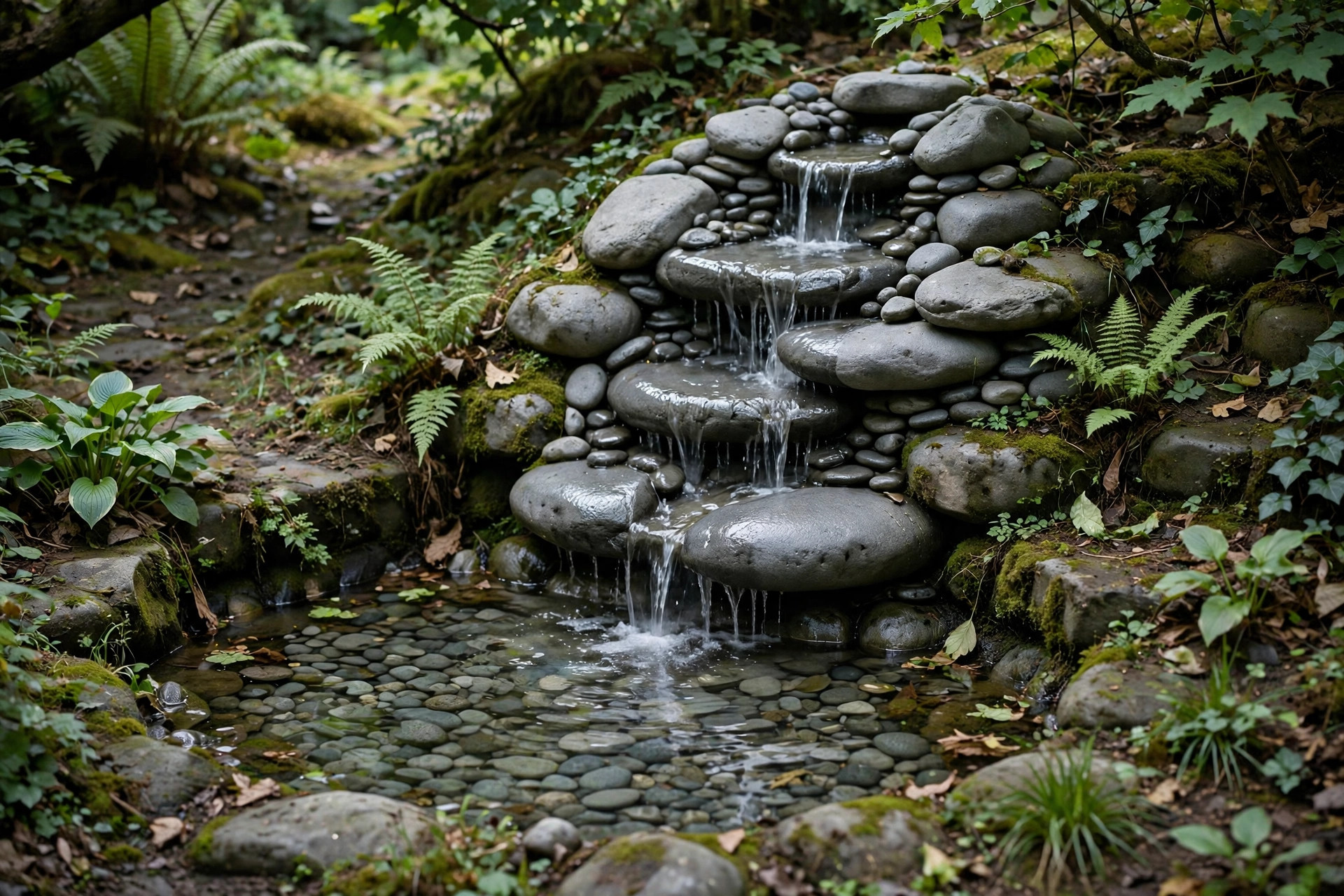
7. A stone and pebble fountain that looks natural
A stone and pebble fountain is the fountain that looks like it was always there, because the stones are grey, the pebbles are round, and the water that trickles over them sounds like a stream in a wood — so the garden feels older and calmer than it is. Build it in a shallow basin, pile the stones in a low mound, and let the water rise through the middle and run back over the stones, because the water that runs over stone is the water that makes the softest sound. Use stones of different sizes, large at the bottom and small at the top, because the mound that is graded is the mound that looks natural, and the pebbles that fill the gaps are the pebbles that hide the pump and the hose. Keep the basin in shade for part of the day, because the basin in full sun is the basin where the water goes green, and the fountain that is shaded is the fountain that stays clear. One pile of stones, and the garden has a stream.
8. A bamboo spout fountain
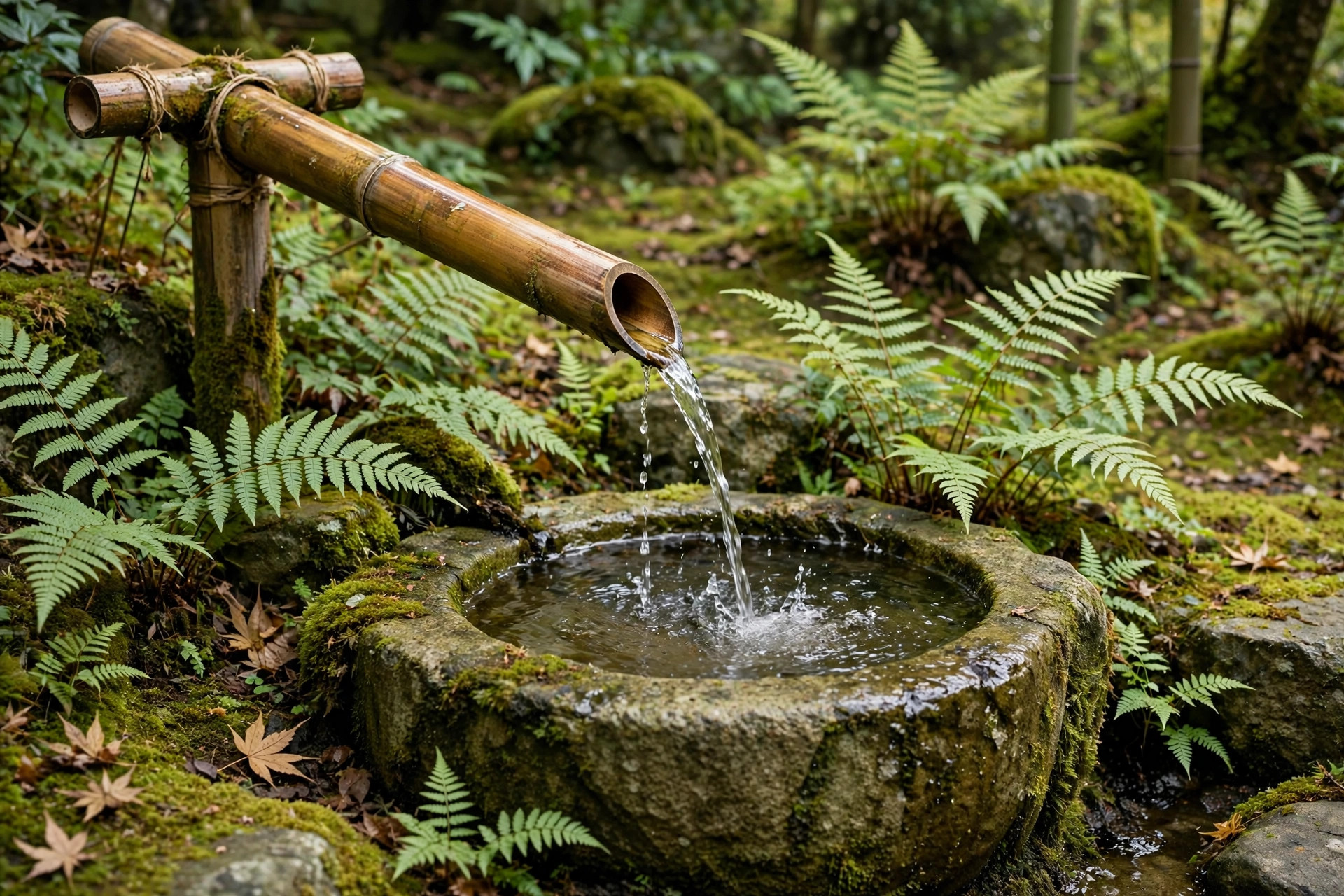
A bamboo spout is the fountain for the calm corner, because the bamboo is quiet, the water pours from the pipe in a smooth sheet, and the sound is a low pour instead of a splash — so the corner feels like a Japanese garden even if the rest of the garden does not. Cut a length of bamboo, hollow it out, and set it at an angle over a stone basin, because the spout that is angled is the spout that pours cleanly, and the basin that is stone is the basin that catches the water without a splash. Fix the bamboo to a post or a wall so it cannot move, because the spout that moves is the spout that pours on the patio instead of the basin, and the fountain that is fixed is the fountain that pours where it should. Plant ferns around the basin, because the ferns that like damp are the ferns that love a fountain, and the corner that has bamboo and ferns is the corner that feels calm. One bamboo pipe, and the garden has a quiet corner.
9. A wooden barrel fountain
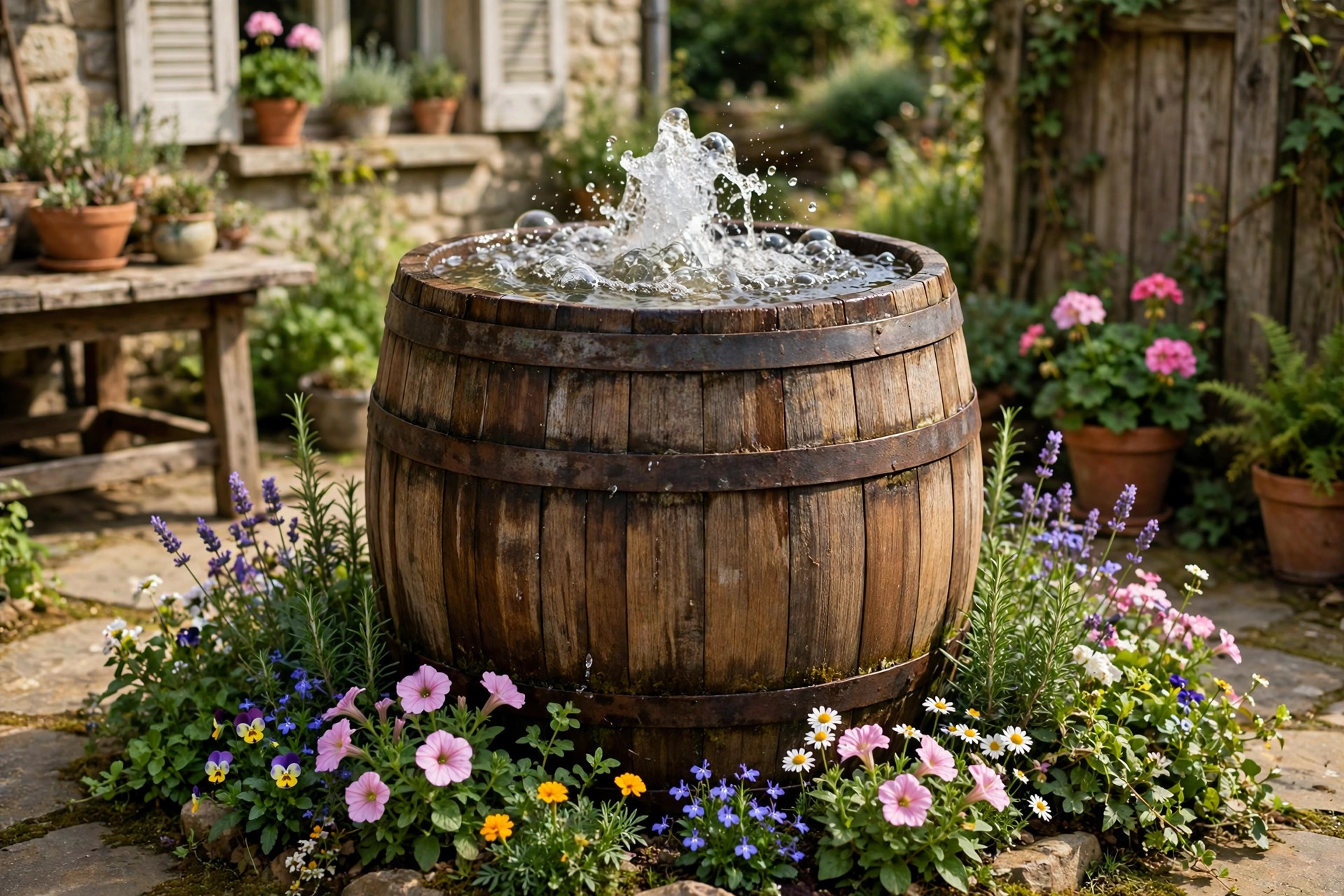
A wooden barrel fountain is the fountain for the rustic garden, because the barrel is wide, the wood is warm, and the water that bubbles up from the middle looks like it has been there for years — so the patio feels like a farmhouse garden even if it is new. Use a half barrel, line it with a pond liner, and set the pump in the bottom under a layer of pebbles, because the liner that holds the water is the liner that stops the barrel leaking, and the pebbles that hide the pump are the pebbles that make the fountain look finished. Keep the barrel in a spot that gets sun for part of the day, because the barrel in full shade is the barrel where the water goes still and green, and the fountain that is sunny is the fountain that stays clear. Plant flowers around the base of the barrel, because the flowers that grow at the base are the flowers that soften the wood, and the barrel that has flowers is the barrel that looks like a garden. One barrel, and the patio has a fountain.
10. An upcycled fountain from old bowls and jugs
An upcycled fountain is the fountain that costs almost nothing, because the bowls are in the cupboard, the jugs are in the charity pile, and the fountain that is built from what you already own is the fountain that costs the price of a pump. Stack a bowl on a jug, a jug on a bowl, and let the water fall from the top vessel down through the stack, because the water that falls from vessel to vessel is the water that makes the sound. Drill a hole in the bottom of each upper vessel for the hose, and seal the holes so the water goes over the rim, because the vessel that leaks at the bottom is the vessel that empties the basin. Keep the stack low and steady, because the stack that is tall is the stack that wobbles, and the fountain that stands steady is the fountain that runs. One pile of old bowls, and the garden has a fountain for the price of a pump.
Water, pump and power
11. Choose the right pump — the heart of the fountain
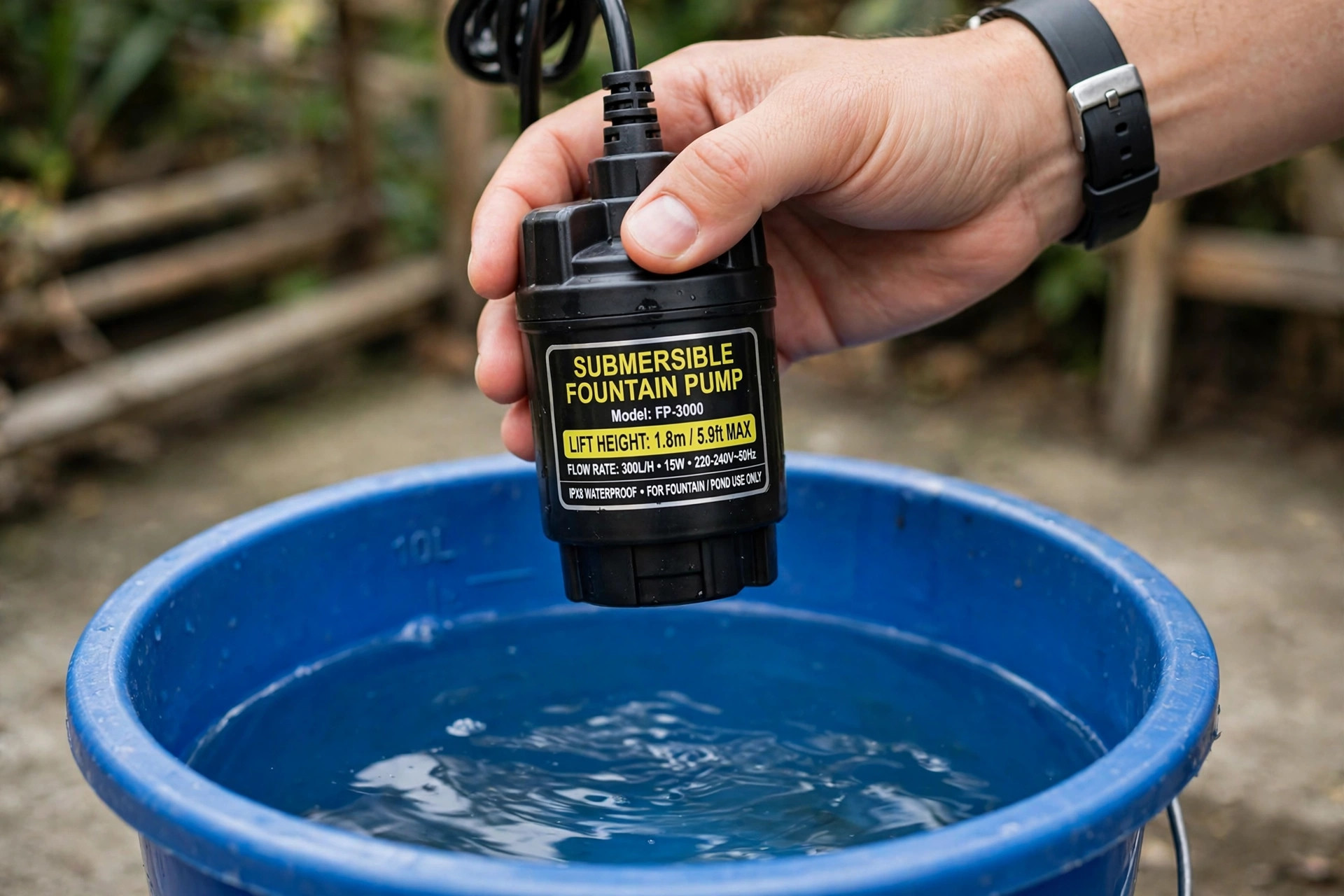
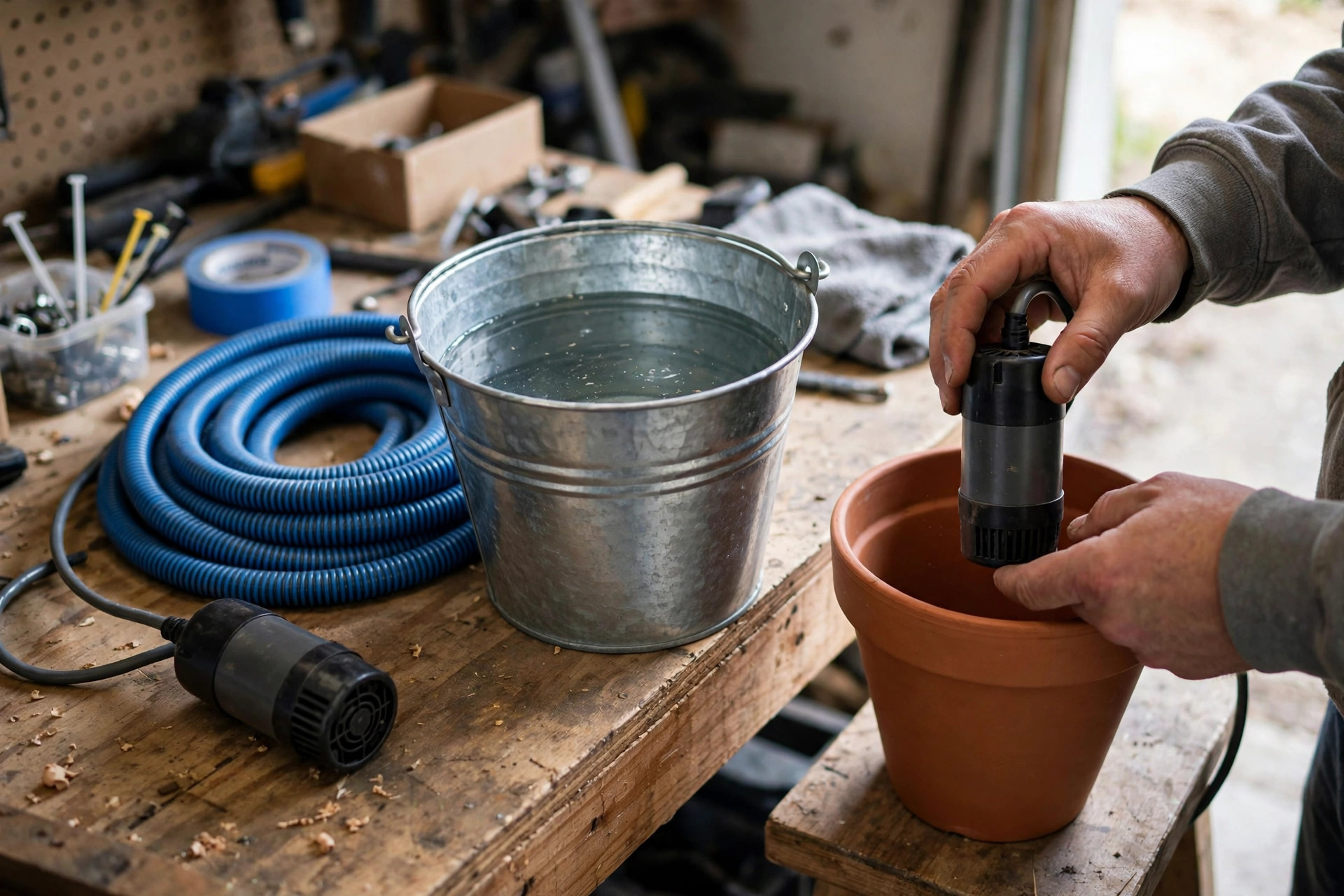
The pump is the heart of the fountain, because the pump that is too weak cannot lift the water to the top, the pump that is too strong throws the water out of the basin, and the fountain that has the wrong pump is the fountain that never sounds right. Match the pump to the height — the lift — because the pump that lifts a metre is the pump for a tiered pot fountain, and the pump that lifts half a metre is the pump for a tabletop bowl. Read the lift on the box before you buy, because the number that is printed is the number that tells you whether the water will reach the top, and the pump that is bought for the height is the pump that works the first time. Buy a pump with an adjustable flow, because the pump that can be turned down is the pump that lets you tune the sound, and the fountain that can be tuned is the fountain that sounds right. One pump, matched to the height, and the fountain runs. (Check on Amazon for a submersible fountain pump with adjustable flow, sized to your fountain's lift height.)
12. Solar or mains power — pick what suits your garden
Solar or mains is the first choice that decides the whole fountain, because the solar fountain needs sun and no wires, the mains fountain needs a socket and a cable, and the fountain that is built for the wrong power is the fountain that never runs. Pick solar if the fountain sits in the sun and there is no outdoor socket, because the solar fountain that sits in the sun is the fountain that runs all day for free. Pick mains if the fountain sits in shade or you want it running at dusk, because the mains fountain that is plugged in is the fountain that runs whenever you switch it on. Bury the cable if you pick mains, because the cable that is buried is the cable that is safe from the mower, and the socket that is outdoor-rated is the socket that stays safe in the rain. One choice, made before you build, and the fountain runs.
13. Hide the hose and the pump
A fountain with a hose showing is a fountain that looks half finished, because the black hose snakes over the rim, the pump sits in the open, and the eye goes to the plastic instead of the water. Hide the hose and the pump under pebbles, because the pebbles that cover the pump are the pebbles that make the fountain look like it has no pump at all. Run the hose up through the middle of the stack or behind the stones, because the hose that is hidden is the hose that is never seen, and the pump that is covered is the pump that is never heard. Keep the pump reachable, because the pump that is buried under stones is the pump you cannot clean, and the fountain that is easy to clean is the fountain that runs. One layer of pebbles, and the plastic disappears.
14. Keep the water clear without chemicals
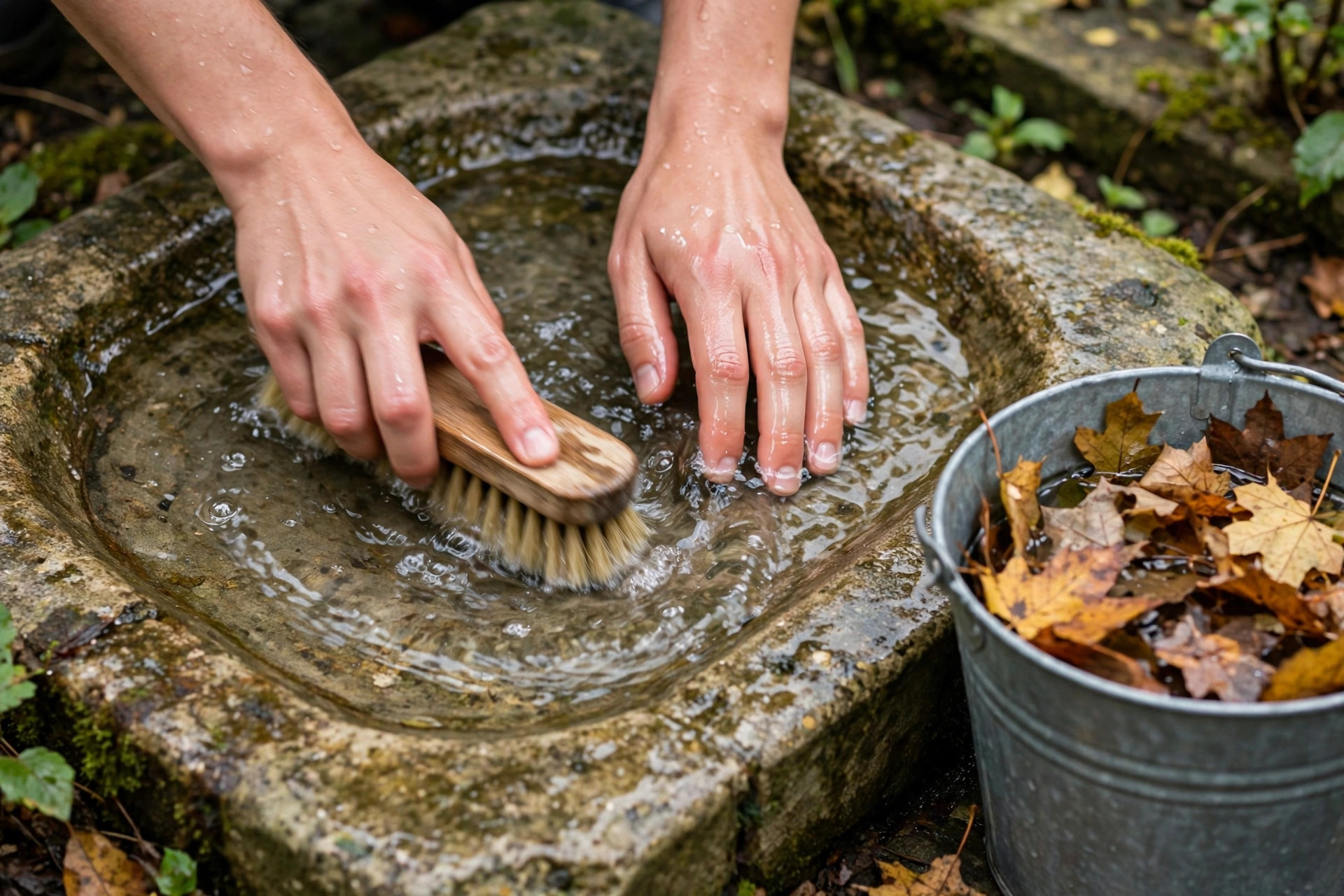
Water in a fountain goes green because the sun feeds the algae, the leaves feed the dirt, and the fountain that is never cleaned is the fountain that turns into a green pond. Keep the water clear without chemicals, because the chemicals that clear the water are the chemicals that kill the birds that drink from it. Shade the basin for part of the day, because the basin in full sun is the basin where the algae grows fastest, and the fountain that is shaded is the fountain that stays clear. Change the water once a month, scrub the basin with a brush, and pick the leaves out every week, because the water that is changed is the water that stays clear, and the fountain that is cleaned is the fountain that runs. One monthly change, and the water stays clear.
15. Winter-proof the fountain before the first frost
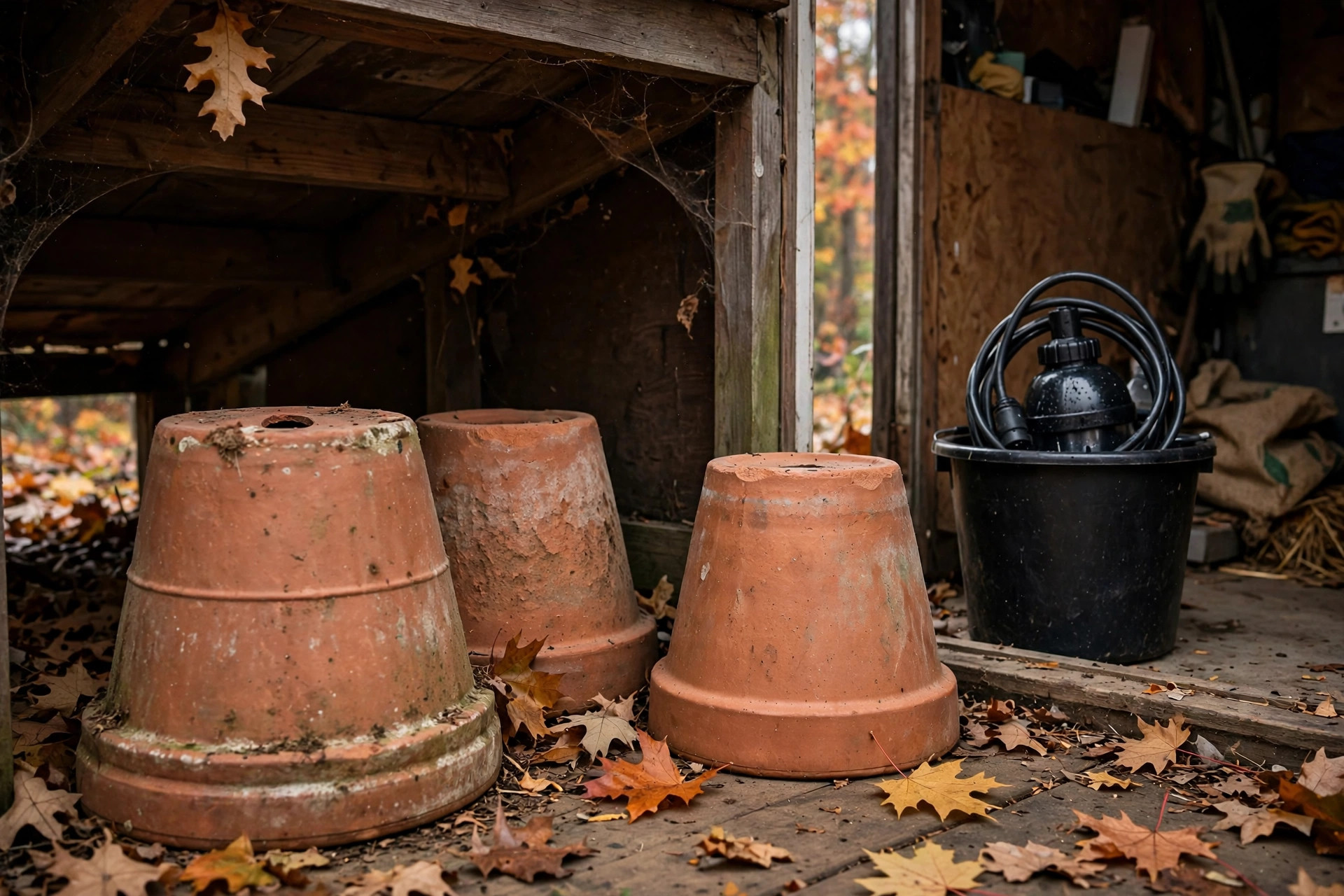
A fountain left full in winter cracks, because the water freezes, the ice expands, and the pot that held water in summer is the pot that splits in January. Winter-proof the fountain before the first frost, so the pump comes out, the water comes out, and the pot lives somewhere dry until spring. Take the pump out, clean it, and store it in a bucket of water indoors, because the pump that is stored dry is the pump whose seals dry out and crack. Empty the basin, turn the pots upside down, and cover the fountain if it cannot move, because the pot that is empty is the pot that cannot crack, and the fountain that is emptied is the fountain that survives the winter. The pump and the spare pots get their own home in 25 Garage Storage Ideas for 2026, where the winter storage lives. One afternoon in autumn, and the fountain is safe until spring.
Place it and keep it running
16. Put the fountain where you can hear it
A fountain you cannot hear is a fountain that might as well not be there, because the water is running, the pump is humming, and you are sitting on the other side of the garden where the sound does not reach. Put the fountain where you can hear it — near the bench, beside the patio door, or at the end of the path you walk every evening — because the fountain that is heard is the fountain that is enjoyed. Sit on the bench first and listen, because the spot that sounds right from the bench is the spot where the fountain belongs, and the fountain that is placed by ear is the fountain that is used. The bench beside the fountain gets its own build in 26 DIY Outdoor Bench Ideas for 2026, where the seat faces the water. One spot, chosen by ear, and the fountain is heard.
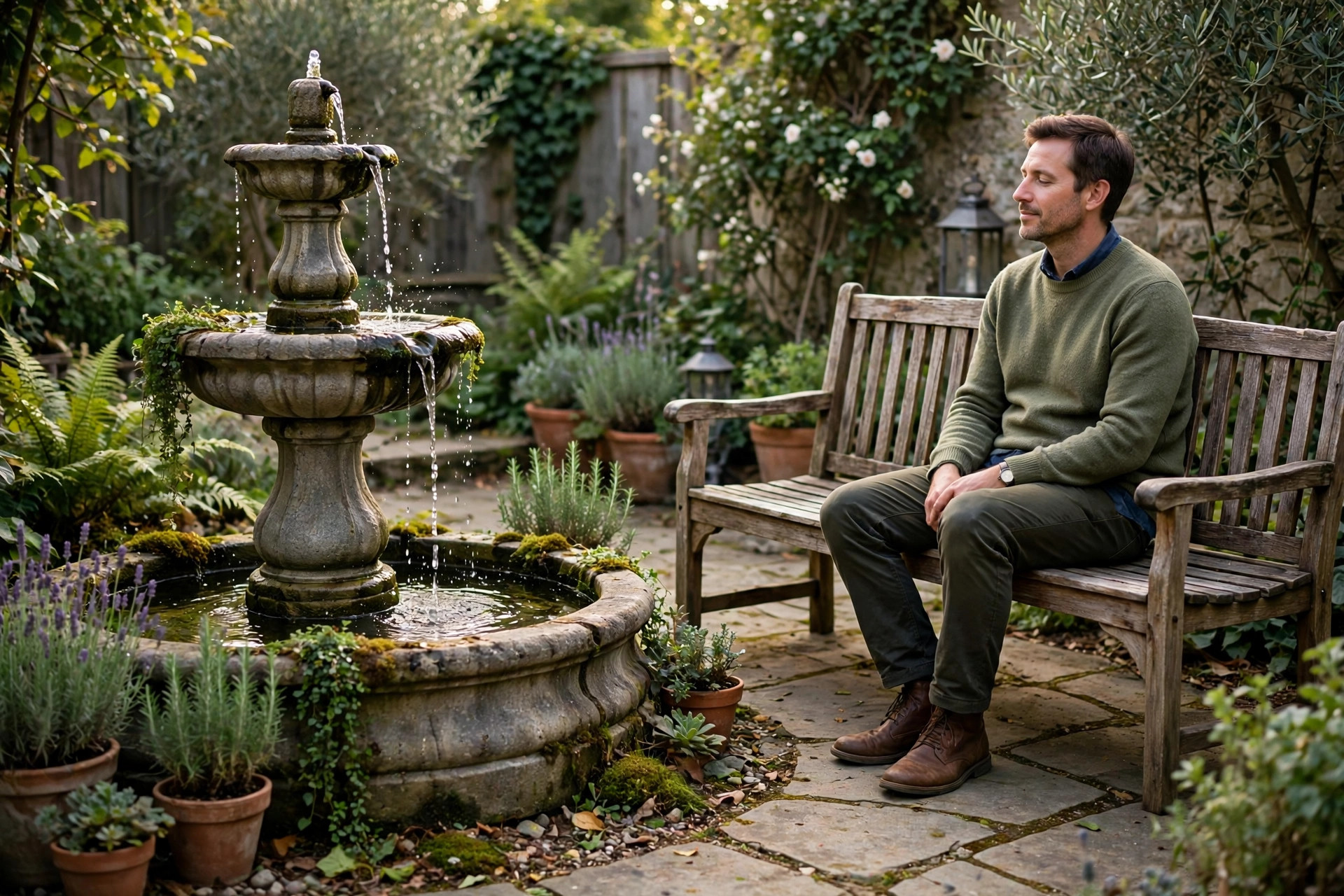
17. Tune the sound — a trickle, not a roar
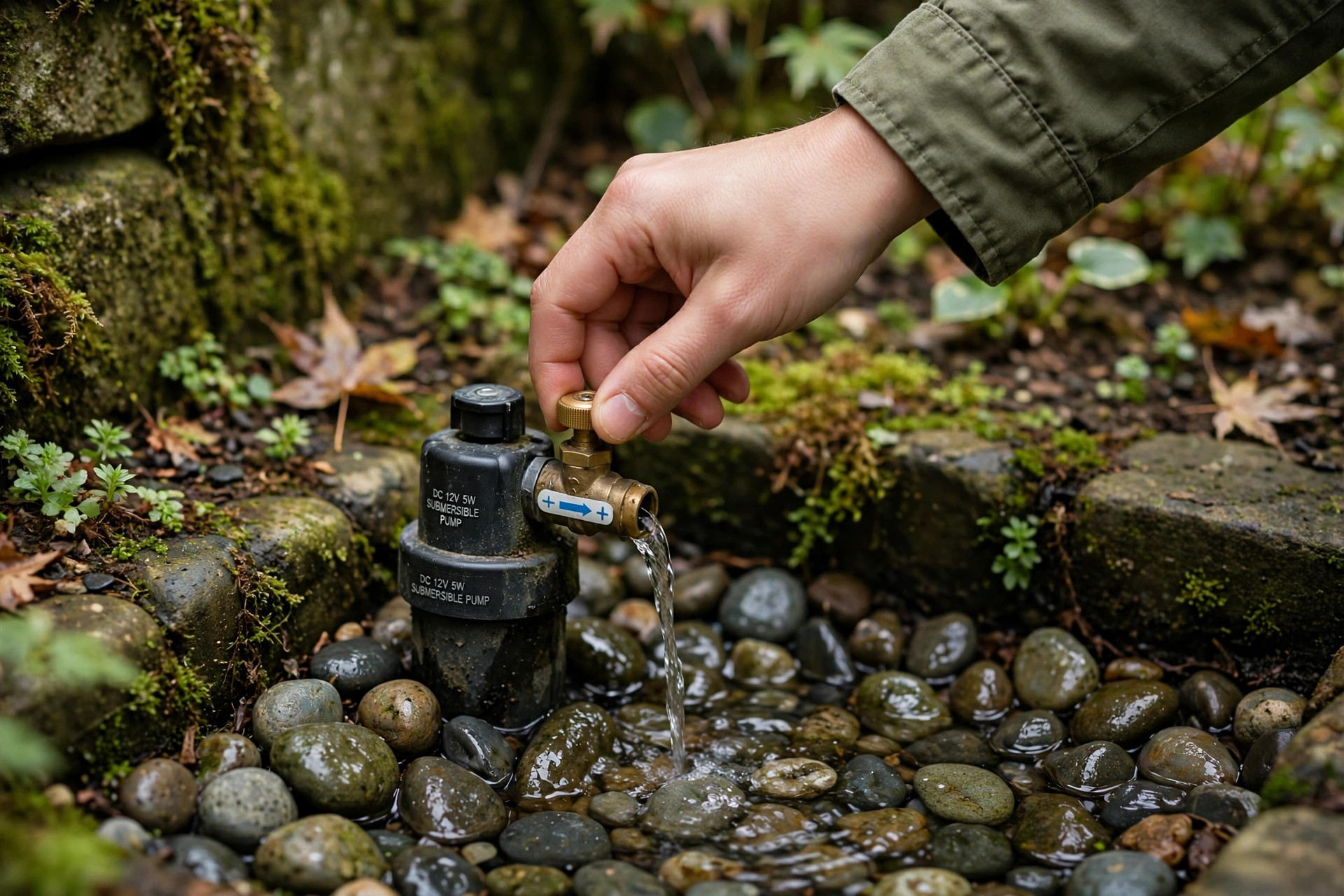
A fountain that roars is a fountain that drives you inside, because the water falls too far, the pump is too strong, and the sound that should be a trickle is a noise that fills the whole garden. Tune the sound to a trickle, not a roar, by turning the pump down, shortening the fall, or adding pebbles where the water lands, because the water that falls a short distance onto pebbles is the water that whispers. Turn the pump down first, because the pump that is turned down is the pump that costs less to run, and the fountain that is quiet is the fountain that you can sit beside and talk over. Test the sound from the bench, because the sound that is right from the bench is the sound that is right, and the fountain that is tuned is the fountain that stays on. One turn of the valve, and the roar becomes a trickle.
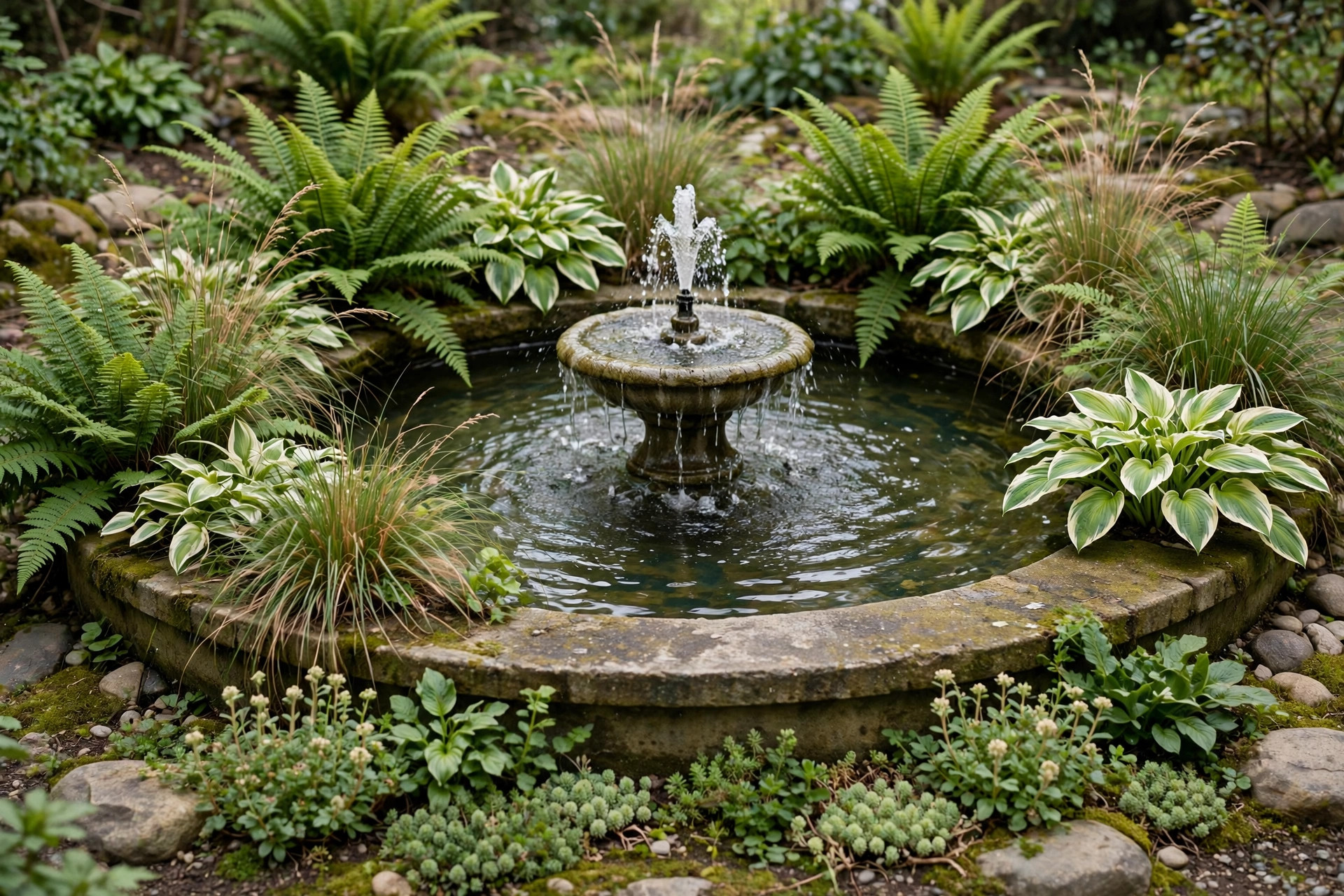
18. Plant around the fountain
A fountain with no plants around it looks like a pot on a patio, because the basin is bare, the ground is bare, and the fountain that stands alone is the fountain that looks unfinished. Plant around the fountain, because the plants that grow at the base are the plants that soften the basin, and the fountain that has plants is the fountain that looks like a garden. Use plants that like damp — ferns, hostas, and grasses — because the plants that like damp are the plants that love the splash, and the fountain that waters its own plants is the fountain that looks after itself. Keep the plants low at the front so the water is visible, because the plants that hide the water are the plants that hide the fountain, and the fountain that is seen is the fountain that is enjoyed. One ring of plants, and the fountain belongs in the garden.
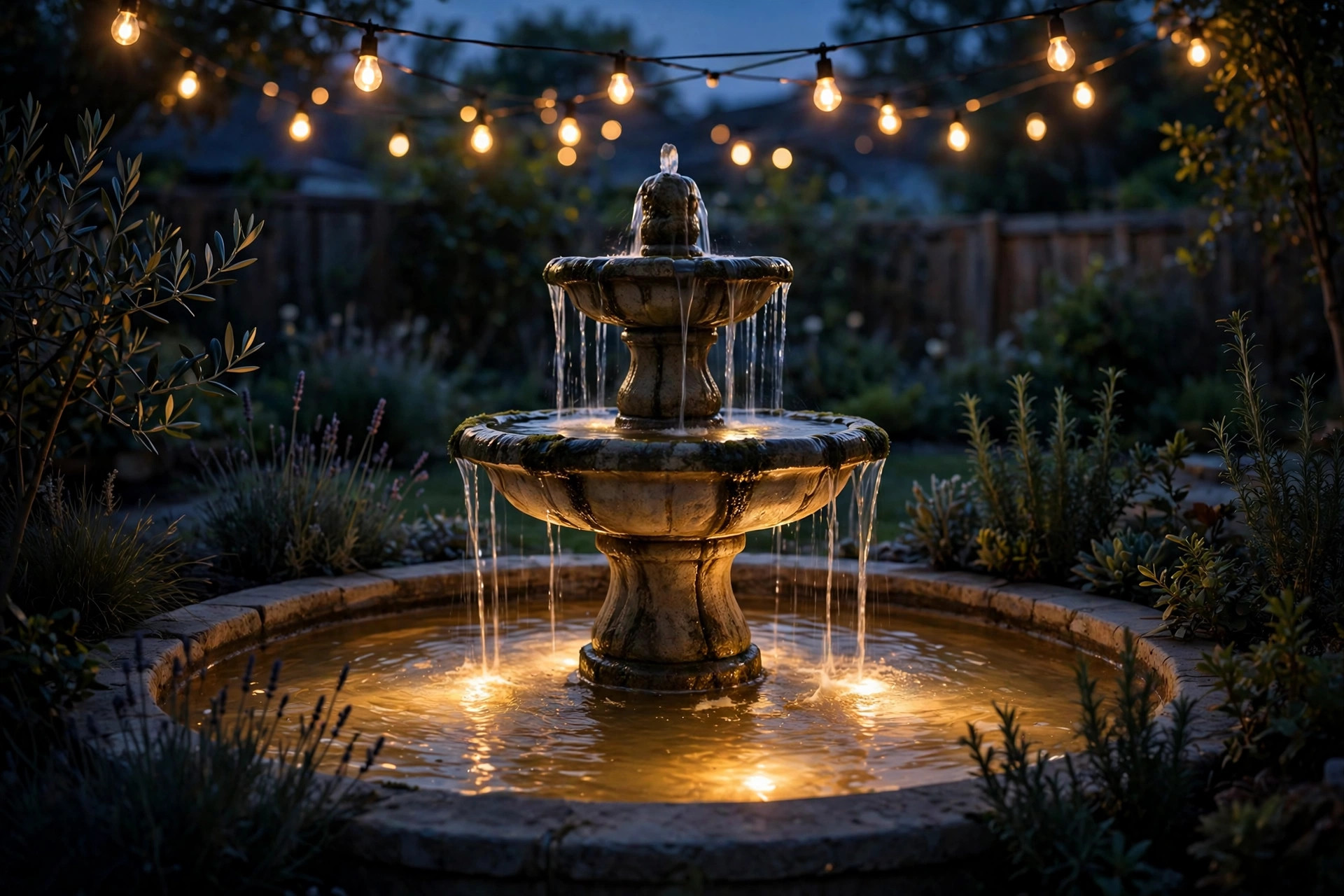
19. Light the fountain at dusk
A fountain that goes dark at dusk is a fountain that is only half enjoyed, because the evenings are when you sit outside, the water is running, and the fountain that cannot be seen is the fountain that is forgotten. Light the fountain at dusk, with a small solar light in the basin or a spotlight on the water, because the light that shines on the water is the light that makes the fountain glow. Use solar lights so there are no wires, because the light that is solar is the light that costs nothing to run, and the fountain that is lit is the fountain that is watched. Keep the light low and warm, because the light that is bright is the light that kills the mood, and the fountain that glows is the fountain that holds the evening. One light, and the fountain runs after dark. (Check on Amazon for waterproof solar fountain lights, warm white, for a small basin.)
20. A five-minute weekly check that keeps it running
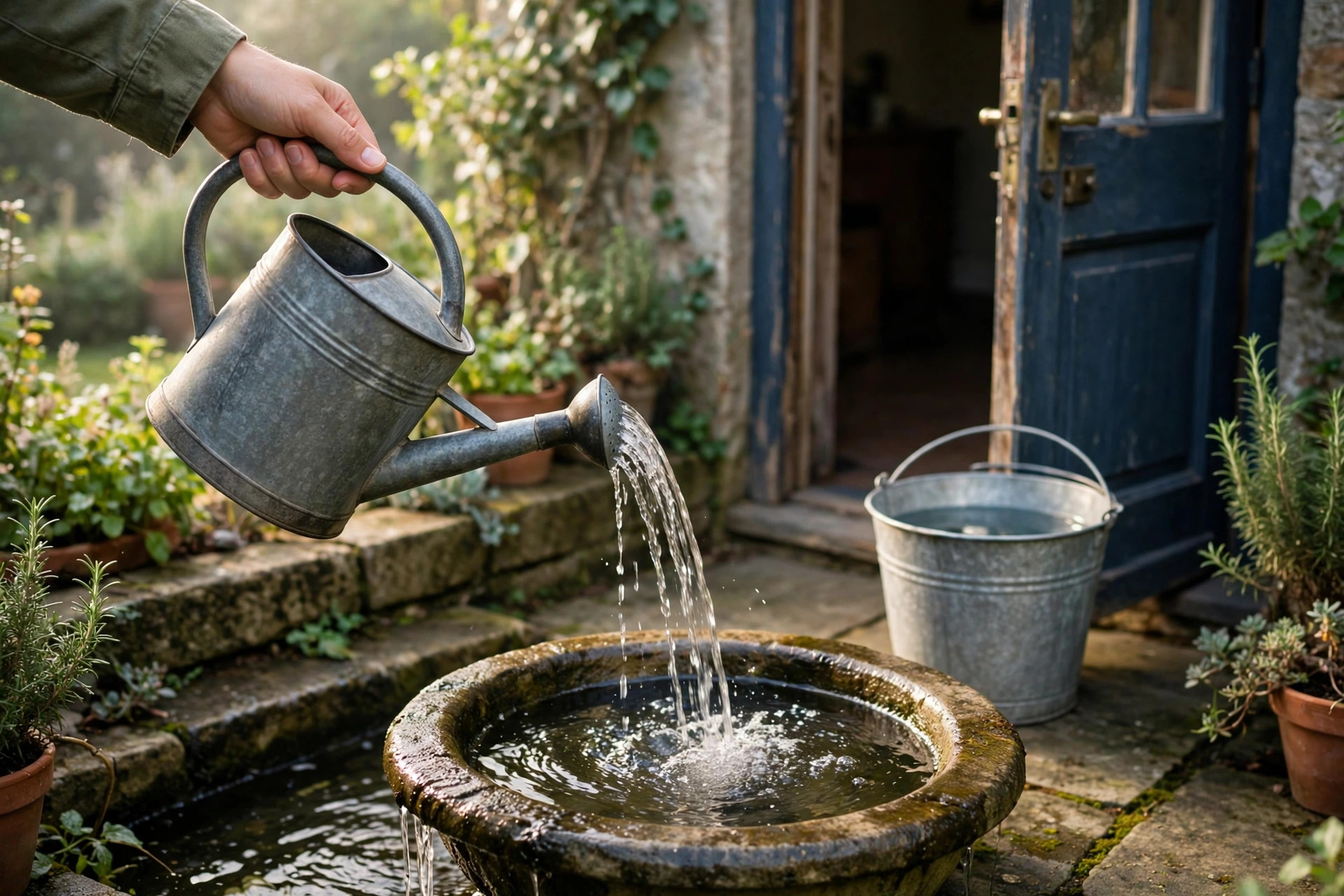
No fountain stays running without a habit, because the fountain is only clean on the day you build it and the leaves, the algae and the low water creep back one week at a time. Do a five-minute weekly check — top up the water, pick out the leaves, wipe the solar panel, listen to the pump — so the fountain is running before the weekend and starts clean every time. Top the water up first, because the pump that runs dry is the pump that burns out, and the fountain that is topped up is the fountain that runs. Keep a bucket by the back door for the top-up, because the bucket that is there is the bucket that gets used, and the fountain that is checked every week is the fountain that never needs a big clean. The tools for the check live in the shed, and the shed itself gets its full system in 22 Garden Tool Organization Ideas for 2026, where the pump and the brush have their own hooks. Five minutes a week, and the fountain never stops.
Which water fountain idea fits which situation?
| Situation | Best first move | Budget | Tools needed |
|---|---|---|---|
| Never built a fountain | Start with a container fountain (idea 1) | Low | Pot, pump |
| Want a classic look | Stack terracotta pots (idea 2) | Low | Pots, pump |
| Garden too small for a fountain | A wall fountain (idea 3) | Low | Wall brackets |
| No outdoor socket | A solar fountain (idea 4) | Low | Solar pump kit |
| Only a balcony | A tabletop fountain (idea 5) | Low | Small pot, pump |
| Want it to look natural | Stone and pebble (idea 7) | Low | Stones, pebbles |
| Pump too weak or too strong | Choose the right pump (idea 11) | Low | Pump |
| Ugly hose and pump showing | Hide the hose and the pump (idea 13) | Free | Pebbles, plants |
| Water going green | Keep the water clear (idea 14) | Free | Shade, cleaning |
| Fountain too loud | Tune the sound (idea 17) | Free | Valve, pebbles |
| Fountain looks bare | Plant around it (idea 18) | Low | Plants |
| Fountain dies in winter | Winter-proof it (idea 15) | Free | Storage |
You do not need all 20 ideas. You need the three that solve your fountain — usually the container fountain that starts the water, the pump matched to the height, and the spot chosen by ear so you can hear it from the bench. Start with the container fountain, do it this weekend before the garden season peaks, and let the water run. Do that and the next evening on the patio will have water trickling in the background, the pump will hum quietly under the pebbles, and the corner by the fence will finally feel alive.
Save this post for the next garden weekend, and if the yard around the fountain needs the same treatment, read 26 DIY Yard Decor Ideas for 2026 next — it is Post 21, the yard the fountain lives in — and 26 DIY Outdoor Bench Ideas for 2026, Post 30, for the seat that faces the water. This is the second post of the new DIY by project run — Posts 81 to 100, one project at a time — and the run keeps going with the window boxes next door. The window boxes themselves get their own deep dive in DIY Window Boxes, where the flowers above the fountain get the same handmade treatment.
Publish date assigned at publishing time. Updated as new fountain builds are tested.
Frequently asked questions
How much does it cost to build a DIY water fountain?
A simple container fountain costs the price of a pot and a pump — usually £20 to £50 if you already own the pot, and £50 to £100 if you buy everything new. A tiered terracotta pot fountain costs a little more for the pots, and a solar kit adds £15 to £30 but saves you the cost of an outdoor socket. The pump is the only part you should not buy cheap: a £15 pump with adjustable flow will outlast a £5 pump three times over, and it lets you tune the sound.
Do I need electricity for a garden fountain?
No — a solar fountain runs on a panel in the sun and needs no socket, no cable and no electrician, which makes it the best choice for a garden with no outdoor power. A solar kit with a battery keeps running when a cloud passes, but it stops at dusk unless the battery is large. If the fountain sits in shade, or you want it running in the evening, use mains power with an outdoor-rated socket and a buried cable.
How do I keep a DIY fountain from going green?
Shade the basin for part of the day, because algae grows fastest in full sun, and change the water once a month with a quick scrub of the basin. Pick the leaves out every week so they do not rot in the water, and never use chemicals — they clear the water but kill the birds that drink from it. A fountain that is shaded, changed monthly and cleaned weekly stays clear all summer.