26 DIY Planters Ideas for 2026
A porch without a planter is a porch that looks unfinished, because the step is bare, the rail is bare, the windowsill is bare, and the whole front of the house looks like nobody lives there — while a single painted pot by the door changes the whole thing. The planter is not the problem — the problem is that shop planters cost too much for what they are, so the porch stays bare season after season, and the plants you already own sit in their dull plastic nursery pots on the kitchen counter.
These 26 DIY planters ideas give every spot in the home a handmade planter: painted terracotta pots for the sill, tin cans for the herbs, crates for the porch, pallets for the wall, railings for the balcony, and a self-watering planter for the holiday — so the porch looks loved by the weekend, for the price of a tin of paint.
Every idea below works in a real home, from a flat where the whole garden is one balcony rail to a house where the planters line the patio. The window boxes above the planters get their full treatment in 22 DIY Window Boxes Ideas for 2026, where the boxes hang under the same windows — and the yard the planters live in gets its makeover in 26 DIY Yard Decor Ideas for 2026. Pick three ideas that fit your space, start with the painted pot, and build from there.
Start with the pot: planters anyone can make
1. Painted terracotta pots — the ten-minute planter that starts the habit
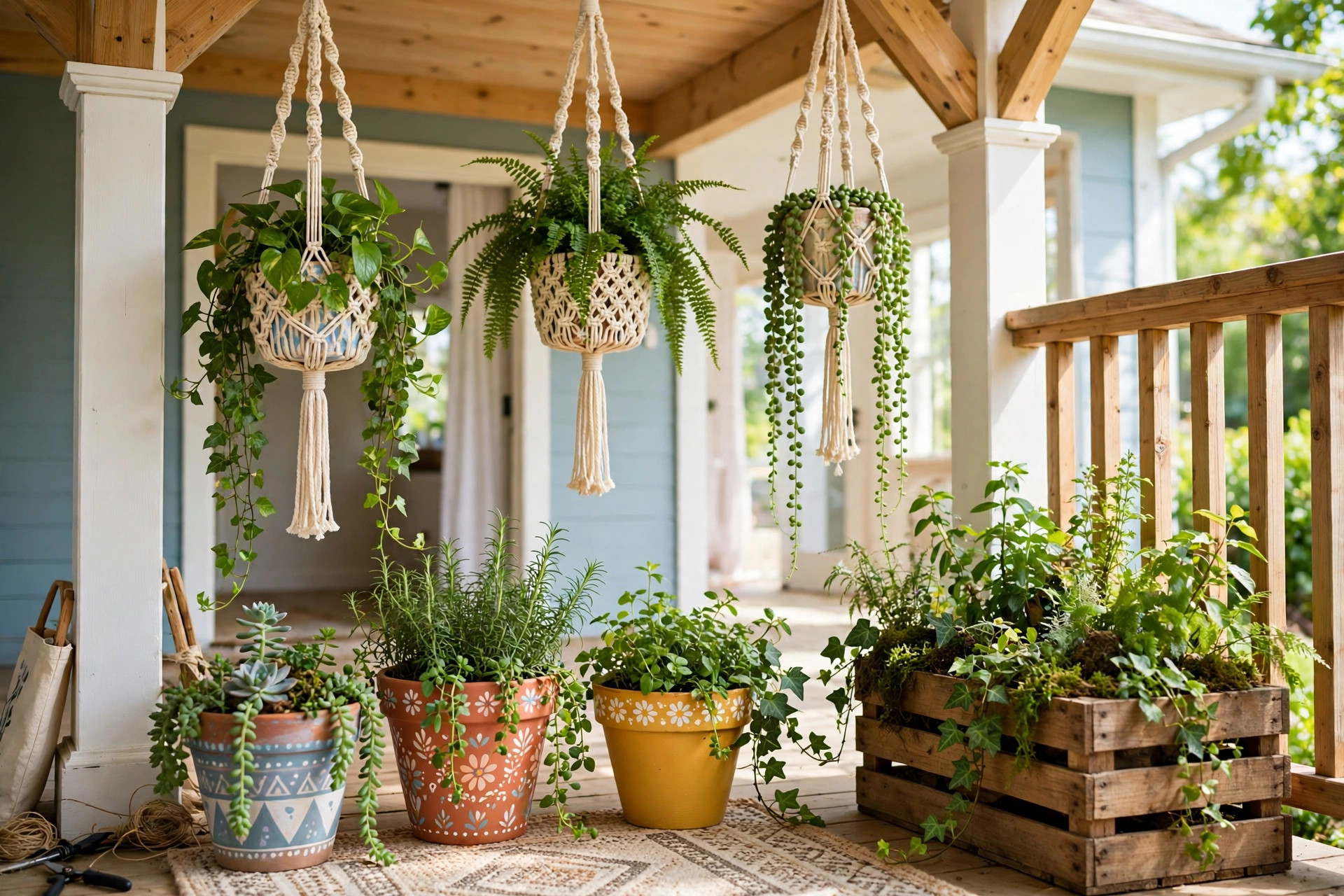
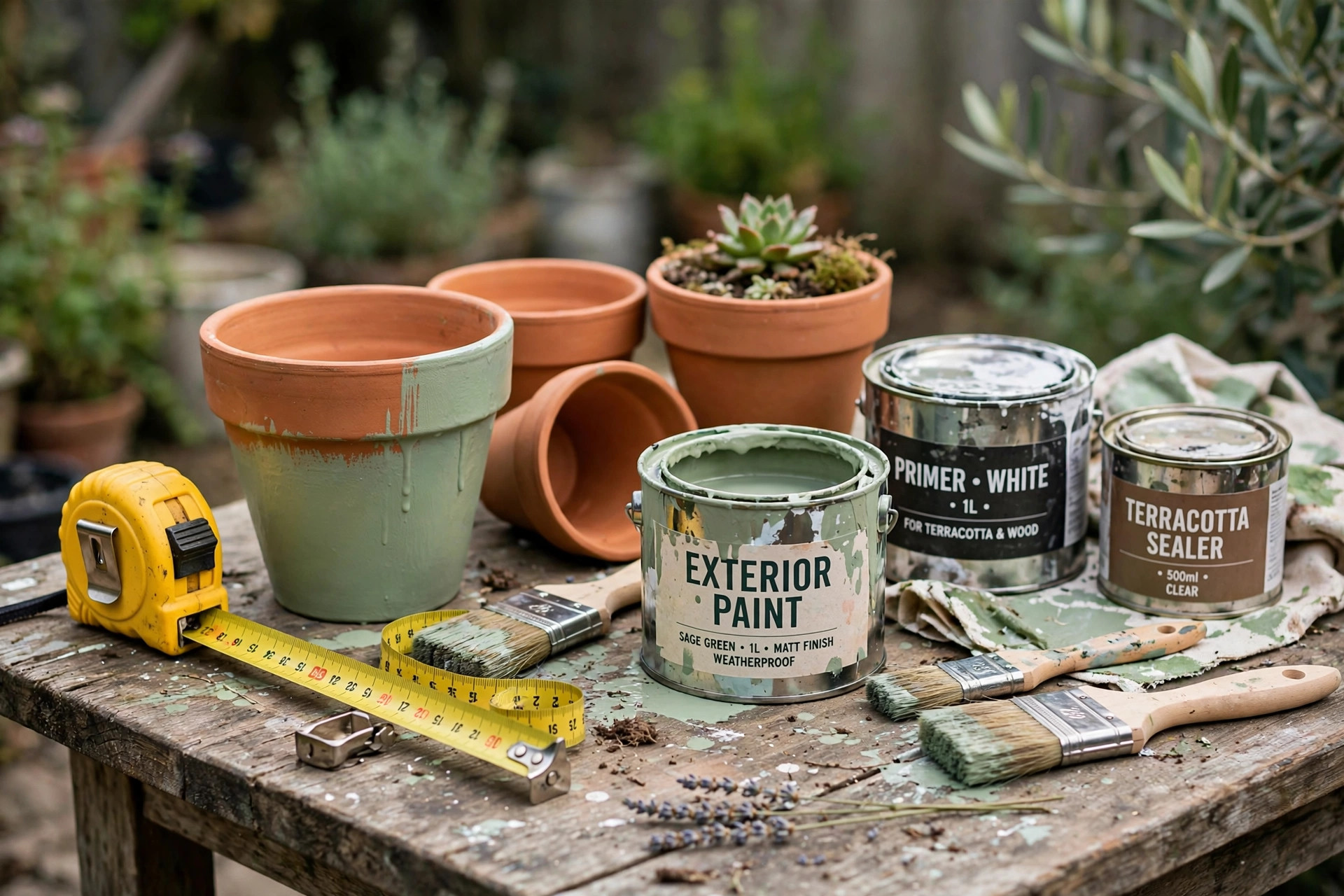
A plain terracotta pot is the cheapest planter there is, because the pot costs almost nothing, the paint costs almost nothing, and ten minutes with a brush turns the dull orange clay into the brightest thing on the porch. Painted terracotta pots are the ten-minute planter that starts the habit — so paint one pot this evening, put a plant in it tomorrow, and the porch has already changed. Wash the pot first and let it dry, because paint sticks to clean dry clay and peels off dusty wet clay, and paint the outside only, because the inside of the pot needs to stay bare so the clay can breathe and the roots can stay healthy. Use outdoor paint or seal the paint with a clear outdoor varnish, because the pot that is sealed is the pot whose paint survives the rain, and the pot that is left unsealed is the pot whose paint flakes off by July. Paint the pots in one colour family so the porch looks planned, not random, because the row of pots that matches is the row that looks like a garden centre display. One painted pot, and the habit starts.
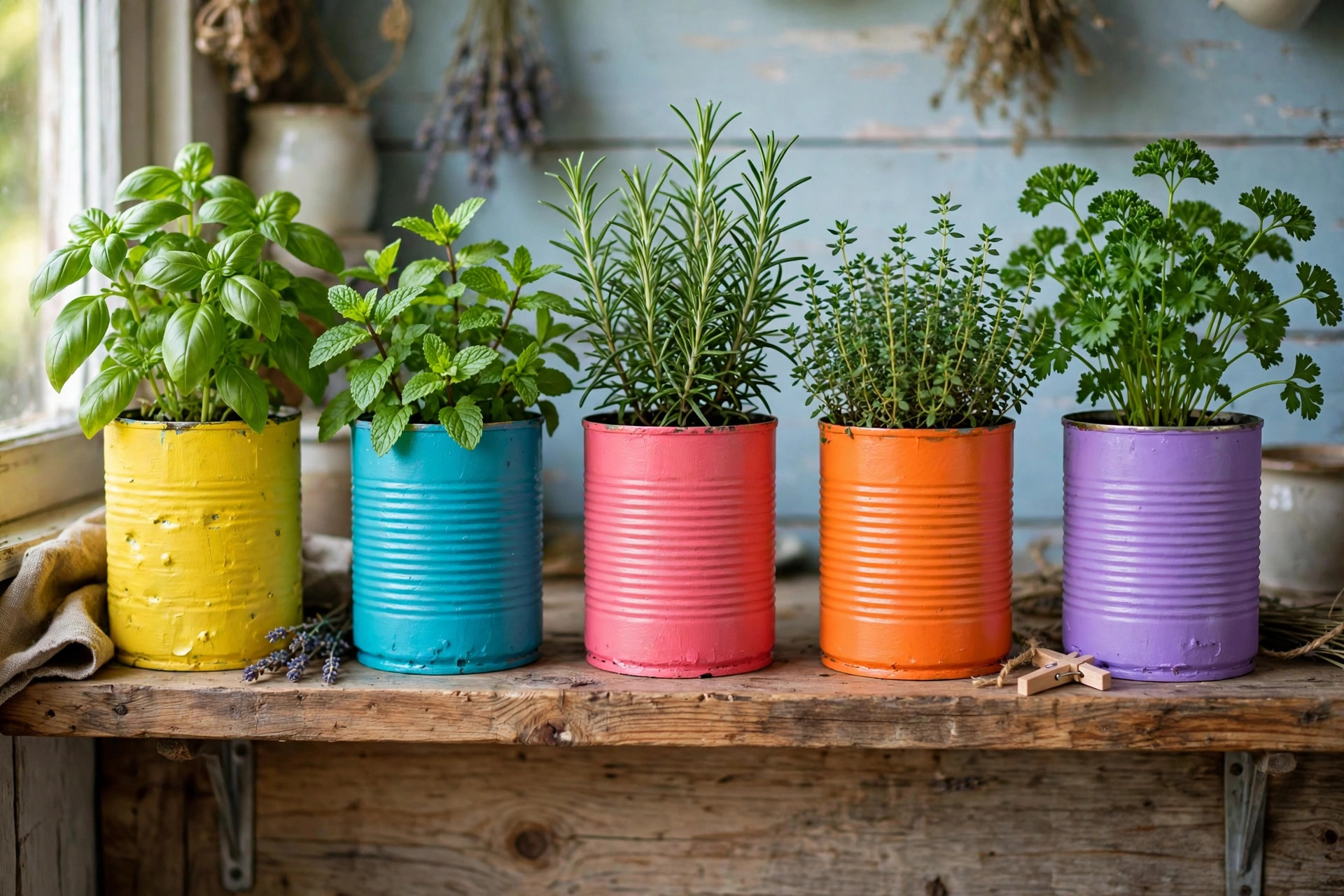
2. Tin can planters — the free planter from the recycling bin
Tin cans are the planter that costs nothing, because the can is already in the recycling bin, the paint is already in the cupboard, and the herb that grows in a tin can tastes exactly the same as the herb that grows in a twenty-pound pot. Tin can planters are the free planter from the recycling bin — so save the next three cans, punch holes in the bottom, paint them bright, and the kitchen sill has a herb garden by the weekend. Punch the drainage holes before you paint, because the holes that are punched first are the holes that do not chip the paint, and wash the cans well, because the can that still smells of beans is the can that no herb wants to live in. Paint the outside in bright colours and label each can with the herb inside, because the can that is labelled is the can you reach for when the recipe says basil, and the sill that holds three painted cans is the sill that looks like a garden. Keep the cans small for herbs and the bigger tins for flowers, because the can that fits the plant is the can that grows it well. One tin can, and the garden costs nothing.
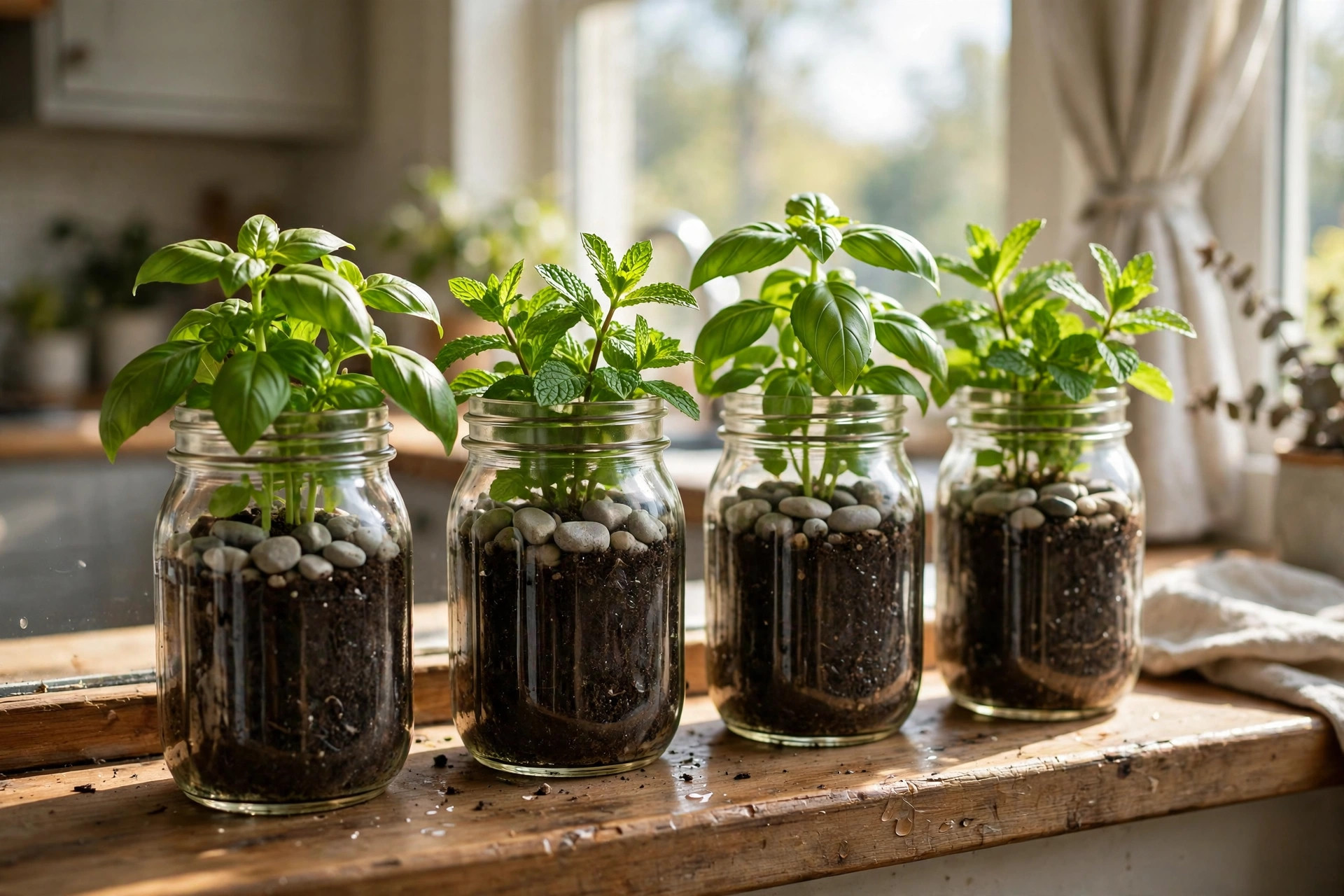
3. Mason jar planters — the jar that grows herbs on the sill
Mason jars are the planter that belongs in the kitchen, because the jar is clear so you can see the water level, the jar is small so it fits on the sill, and the herb that grows in a jar is the herb you snip while the pan is already on the hob. Mason jar planters are the jar that grows herbs on the sill — so put pebbles in the bottom for drainage, fill with soil, plant the herb, and the sill becomes a garden you can cook from. Use the pebbles because a jar has no drainage hole, and the pebbles are the layer that keeps the roots out of standing water, because the jar that holds water at the bottom is the jar whose herb rots. Put the jars where the light is, because the herb that gets four hours of sun is the herb that grows, and the jar that sits in the dark is the jar whose herb goes leggy and pale. Grow one herb per jar, because the jar that holds one herb is the jar whose roots have room, and the sill that holds a row of labelled jars is the sill that looks like a kitchen in a magazine. One mason jar, and the cooking changes.
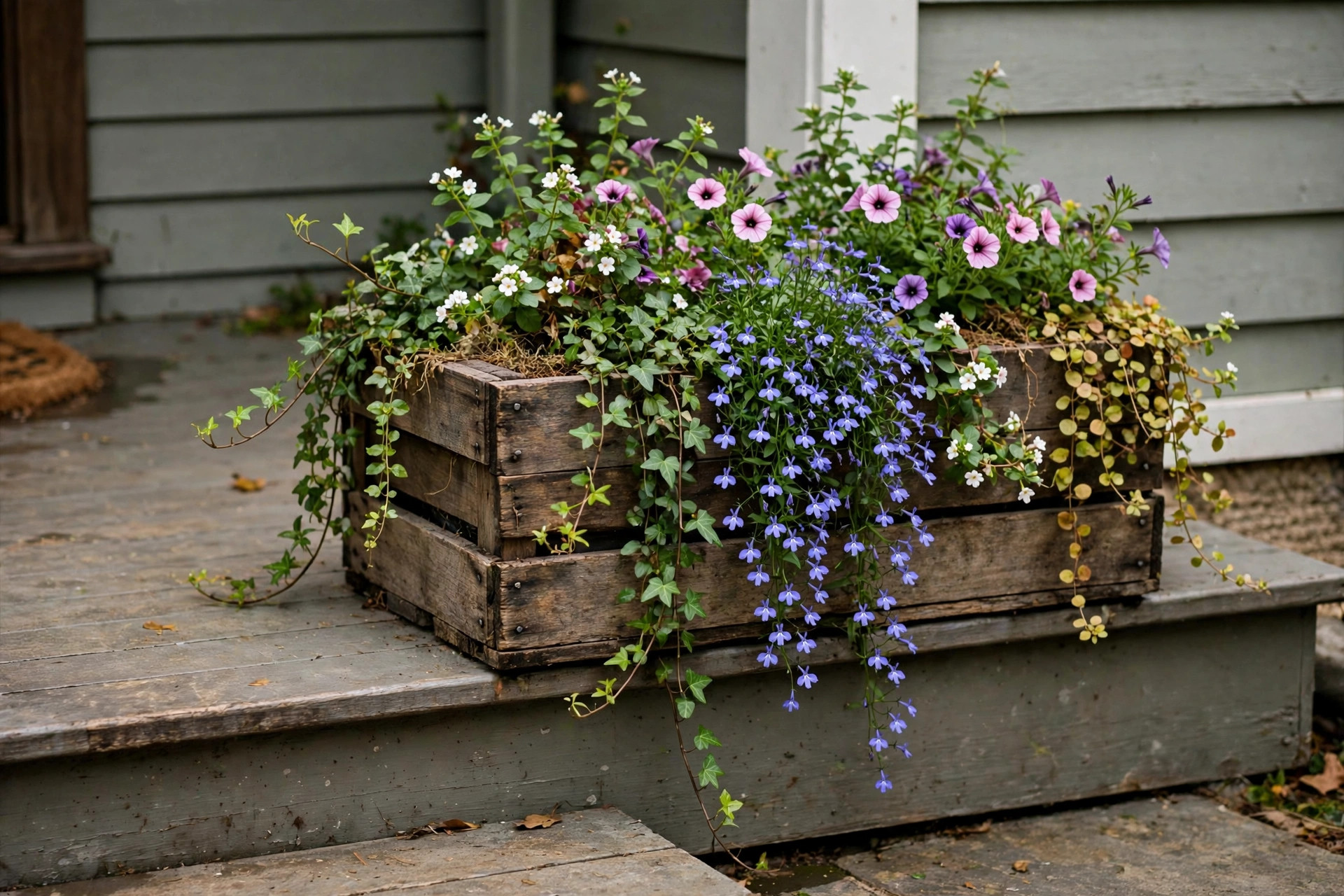
4. A wooden crate planter — the crate that becomes a garden box
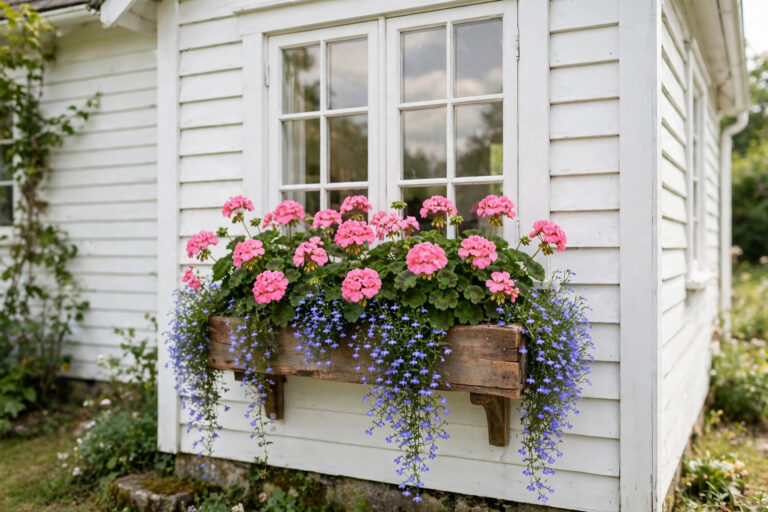
A wooden crate is the planter that looks like it cost fifty pounds, because the slatted wood looks rustic, the box is deep enough for real plants, and the crate that once held apples now holds a whole herb garden on the porch step. A wooden crate planter is the crate that becomes a garden box — so line it with landscape fabric, fill it with soil, and plant it full, because the crate that is planted full is the crate that looks abundant from day one. Line the crate before you fill it, because the fabric holds the soil in while letting the water out, and the crate that is lined is the crate whose soil stays put when it rains. Stand the crate on the porch step or on bricks, because the crate that stands off the ground is the crate whose wood stays dry, and the wood that stays dry is the wood that lasts more than one season. Plant trailing plants at the edges so they spill over the slats, because the crate that spills is the crate that looks like a cottage garden, and the step that holds a full crate is the step that greets the door. One crate, and the porch looks like a garden.
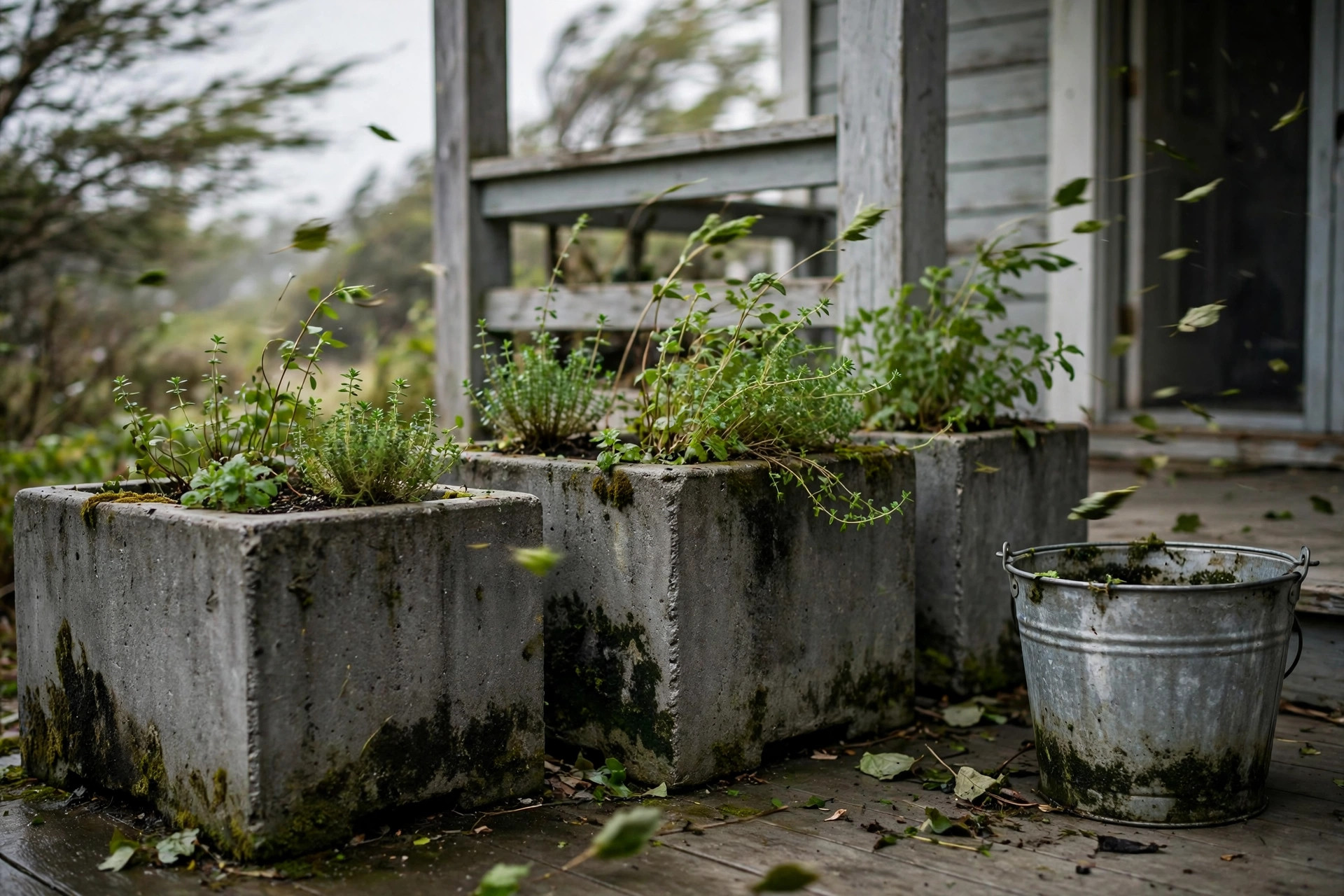
5. Concrete planters — the heavy planter that never blows over
Concrete planters are the planter for the windy spot, because the concrete is heavy enough that the wind cannot move it, the pot cannot tip over, and the plant that lives in a concrete planter is the plant that stays standing through the storm. Concrete planters are the heavy planter that never blows over — so mix the concrete in a mould, let it set overnight, and the porch has a planter that will outlast the house. Use a plastic tub or a bucket as the mould, and a smaller tub inside it to make the hollow, because the mould that is oiled is the mould that releases cleanly, and the planter that releases cleanly is the planter with smooth edges. Let it cure for a full day before you move it, because the concrete that is moved too soon is the concrete that cracks, and the planter that is cured is the planter that holds its shape for years. Seal the inside with a concrete sealer, because the sealer stops the lime leaching into the soil, and the plant that grows in sealed concrete is the plant that grows well. One concrete planter, and the wind stops mattering. (Check on Amazon for a reusable concrete planter mould with a drainage plug.)
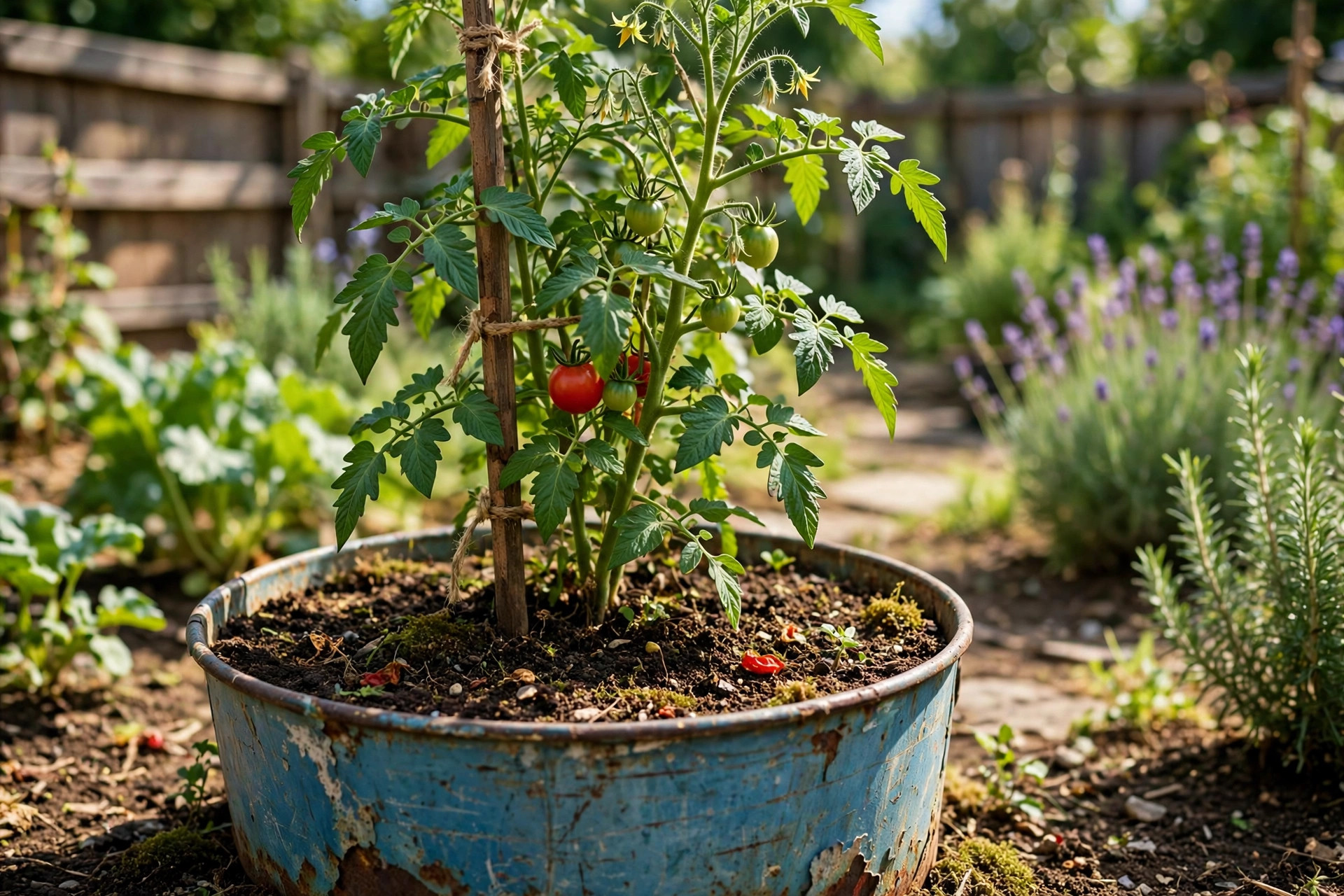
6. An old bucket planter — the bucket that grows tomatoes
An old bucket is the planter for the hungry plant, because the bucket is deep enough for roots, wide enough for a tomato, and the bucket that once carried paint now carries the biggest plant in the garden. An old bucket planter is the bucket that grows tomatoes — so drill holes in the bottom, fill it with rich soil, and plant one tomato per bucket, because the bucket that holds one tomato is the bucket whose plant feeds the whole family. Drill at least five holes, because the bucket that drains is the bucket whose roots stay healthy, and the bucket that holds water is the bucket whose tomato rots from the roots up. Put a stake in the bucket at planting time, because the stake that goes in early is the stake that does not damage the roots later, and the tomato that is tied as it grows is the tomato that stands through the summer. Paint the bucket if the colour bothers you, because the bucket that is painted is the bucket that looks like a planter, and the garden that grows tomatoes in buckets is the garden that eats well. One bucket, and the tomatoes grow.
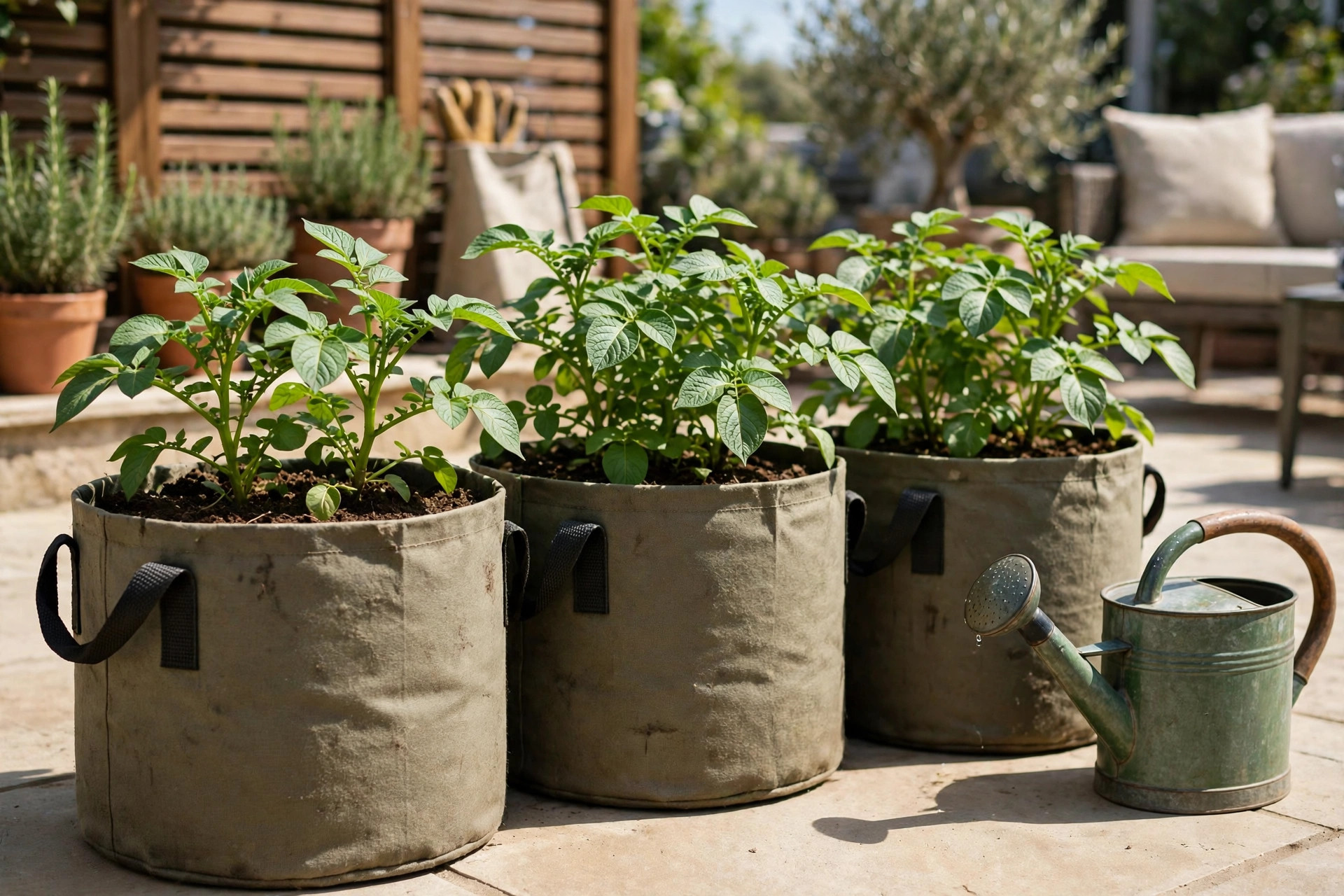
7. Fabric grow bags — the soft planter that folds away in winter
Fabric grow bags are the planter for the gardener with no storage, because the bag is soft so it folds flat, light so it moves easily, and the bag that holds a potato plant in summer folds into a drawer in winter. Fabric grow bags are the soft planter that folds away in winter — so fill the bag with soil, plant it full, and set it on the patio, because the bag that breathes is the bag whose roots stay cool and never cook in the sun. Use the bag's handles to move it, because the bag that moves is the bag that follows the sun across the patio, and the plant that follows the sun is the plant that grows fastest. Water the bags a little more often than hard pots, because the fabric lets water out as well as air in, and the bag that is watered little and often is the bag whose soil stays damp. Empty the bags in autumn, shake out the soil, and fold them flat, because the bag that folds is the bag that takes no space in the shed, and the patio that is clear in winter is the patio that is ready in spring. One grow bag, and the storage problem disappears.
Planters that go up: vertical and hanging
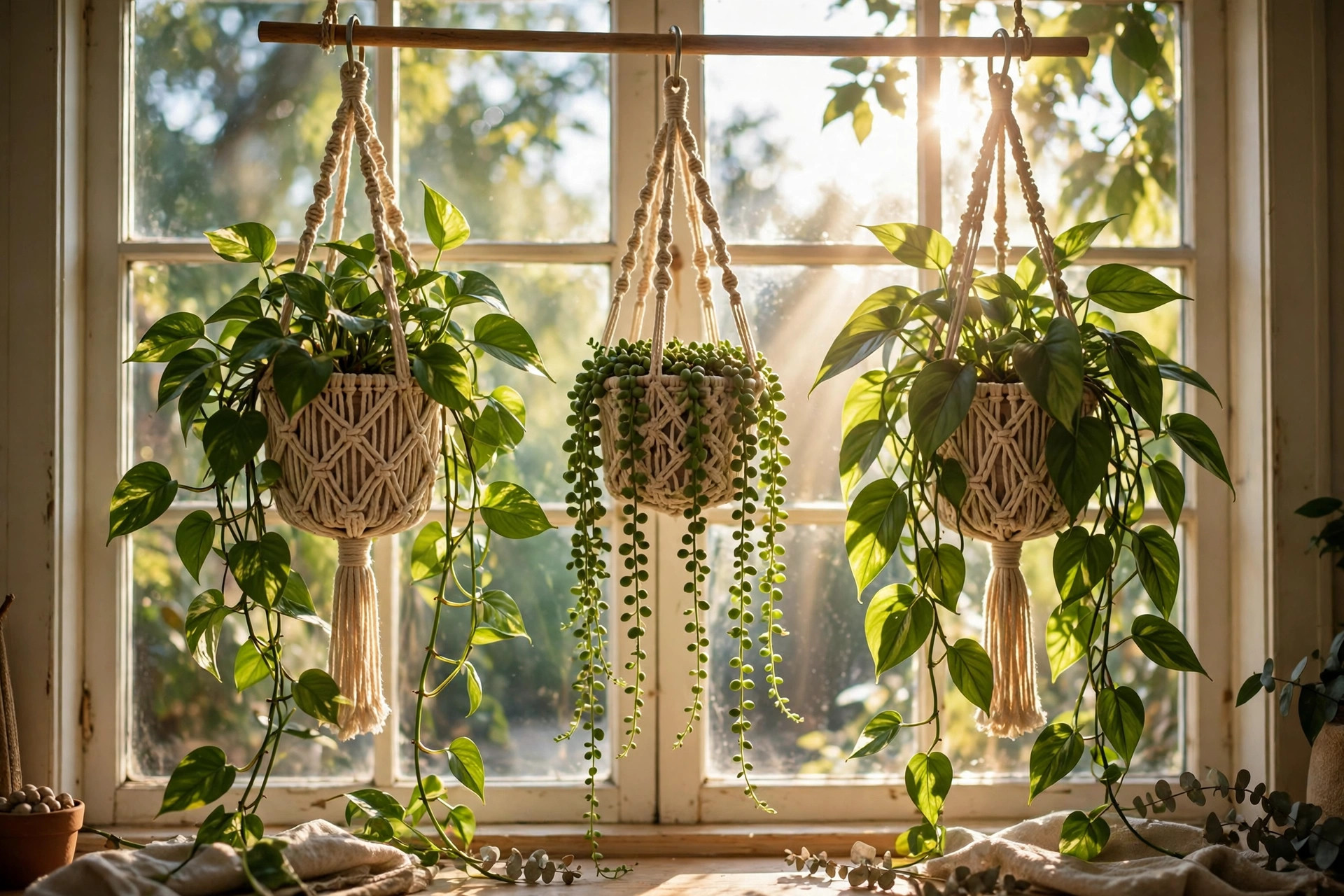
8. Hanging macramé planters — the planter that floats in the window
A hanging macramé planter is the planter that turns a plant into a decoration, because the knotted cords hold the pot in the air, the plant trails down in front of the window, and the room that holds a hanging planter is the room that looks styled. Hanging macramé planters are the planter that floats in the window — so knot the cords, slip the pot in, and hang it from a hook by the brightest window, because the planter that hangs is the planter that takes no shelf, no sill and no floor. Use a light pot, because the hook that holds a light pot is the hook that never pulls out of the ceiling, and the planter that is light is the planter that hangs safely above the sofa. Hang it where you can reach it to water, because the planter that is watered easily is the planter whose plant stays alive, and the hook that is too high is the hook whose plant dies of thirst. Choose trailing plants for the hanging pots, because the plant that trails is the plant that shows off the height, and the window that holds a hanging planter is the window that looks like a garden. One macramé planter, and the plant floats. (Check on Amazon for a macramé plant hanger kit with cotton cord and a wooden ring.)
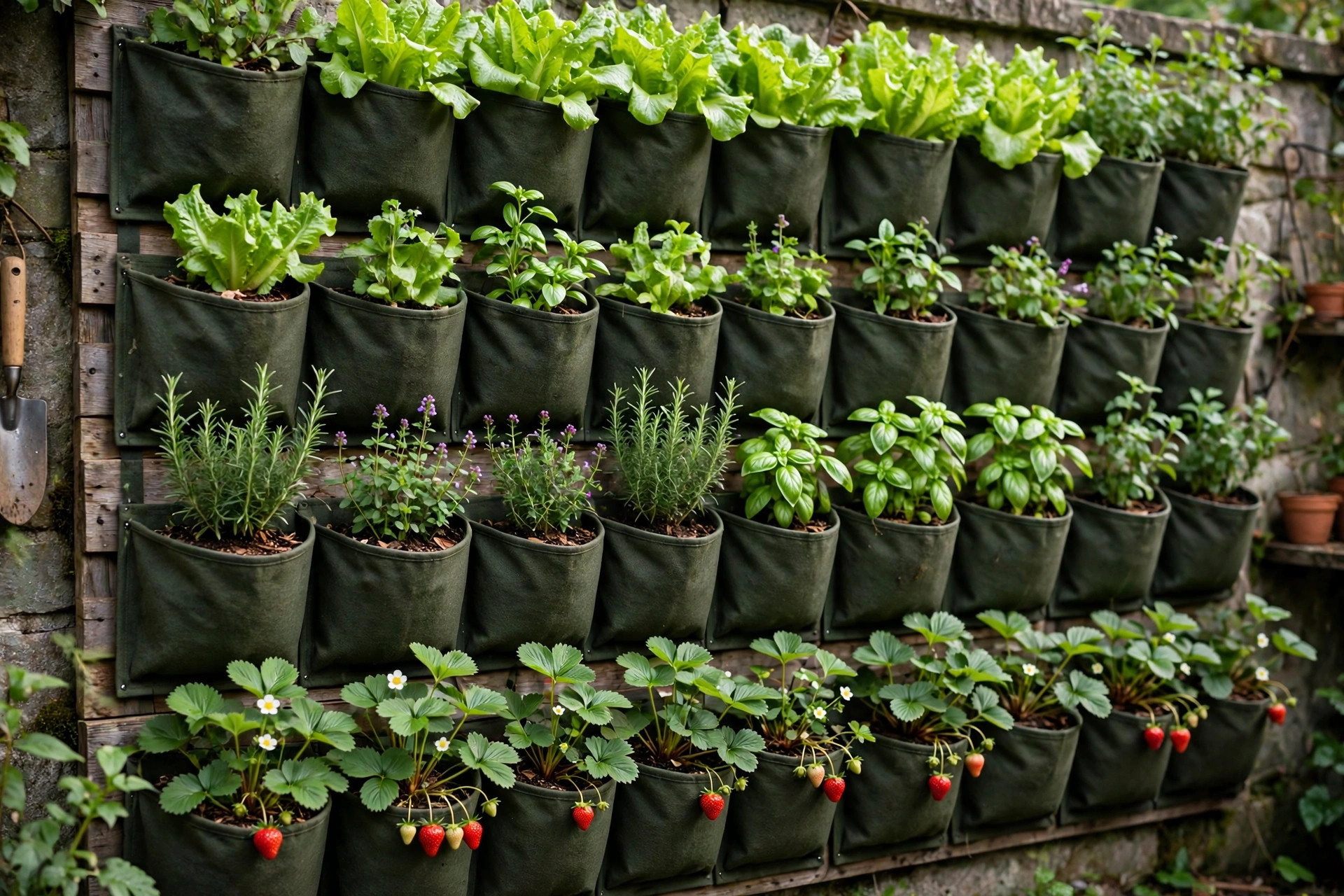
9. Wall-mounted pocket planters — the wall that grows salad
Wall-mounted pocket planters are the planter for the wall that does nothing, because the pockets hang in rows, each pocket holds one plant, and the blank wall that held nothing now holds a salad garden at eye level. Wall-mounted pocket planters are the wall that grows salad — so fix the pockets to the wall, fill each one with soil, and plant lettuce, herbs and strawberries in rows, because the wall that is planted is the wall that feeds the kitchen. Fix the pockets into a stud or use proper wall plugs, because the pockets that hold wet soil are heavier than they look, and the wall that is fixed properly is the wall that never comes down. Plant the pockets from the top down, because the pocket that is planted first is the pocket that does not drip soil on the one below, and the wall that is watered with a can, not a hose, is the wall that stays dry. Grow salad leaves and herbs in the pockets, because the leaves that are picked fresh are the leaves that taste best, and the wall that grows salad is the wall that pays for itself. One pocket wall, and the blank wall feeds you.
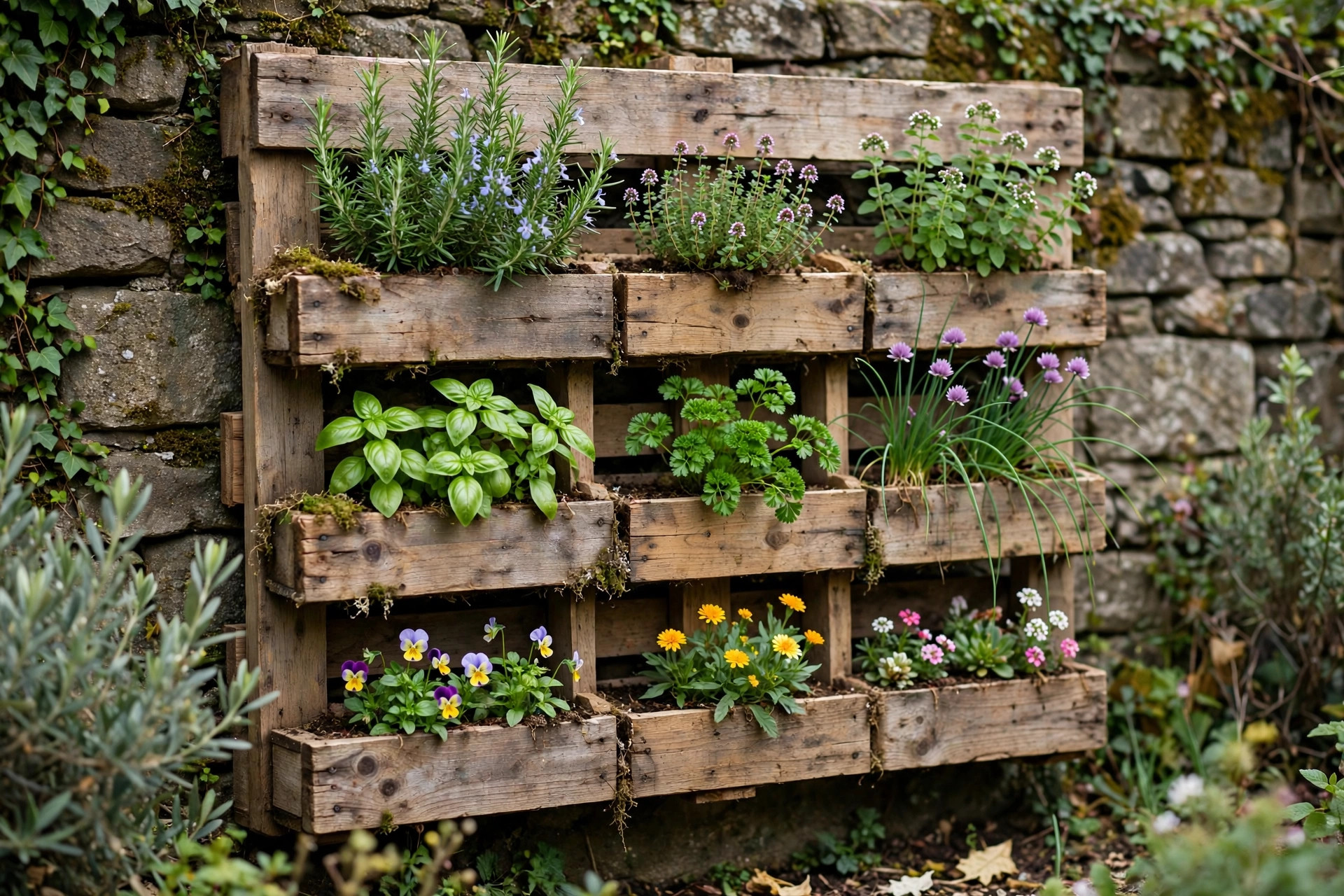
10. A pallet planter — the pallet that becomes a herb wall
A pallet is the planter that costs nothing and holds everything, because the pallet is free from the garden centre, the slats make ready-made pockets, and the wall that holds a pallet holds a whole herb garden in one square metre. A pallet planter is the pallet that becomes a herb wall — so stand the pallet upright, line the back and bottom of each row with fabric, fill with soil, and plant the herbs in the gaps, because the pallet that is lined is the pallet whose soil stays put. Sand the pallet first, because the wood that is sanded is the wood that does not give splinters, and the pallet that is sanded is the pallet you can touch without gloves. Fix the pallet to the wall with brackets, because the pallet that is fixed is the pallet that cannot fall forward, and the herb wall that is fixed is the herb wall that is safe to pick from. Plant the herbs from the bottom row up, because the row that is planted last is the row that does not shower soil on the rows below, and the wall that holds a pallet is the wall that smells of rosemary. One pallet, and the herb wall is free.
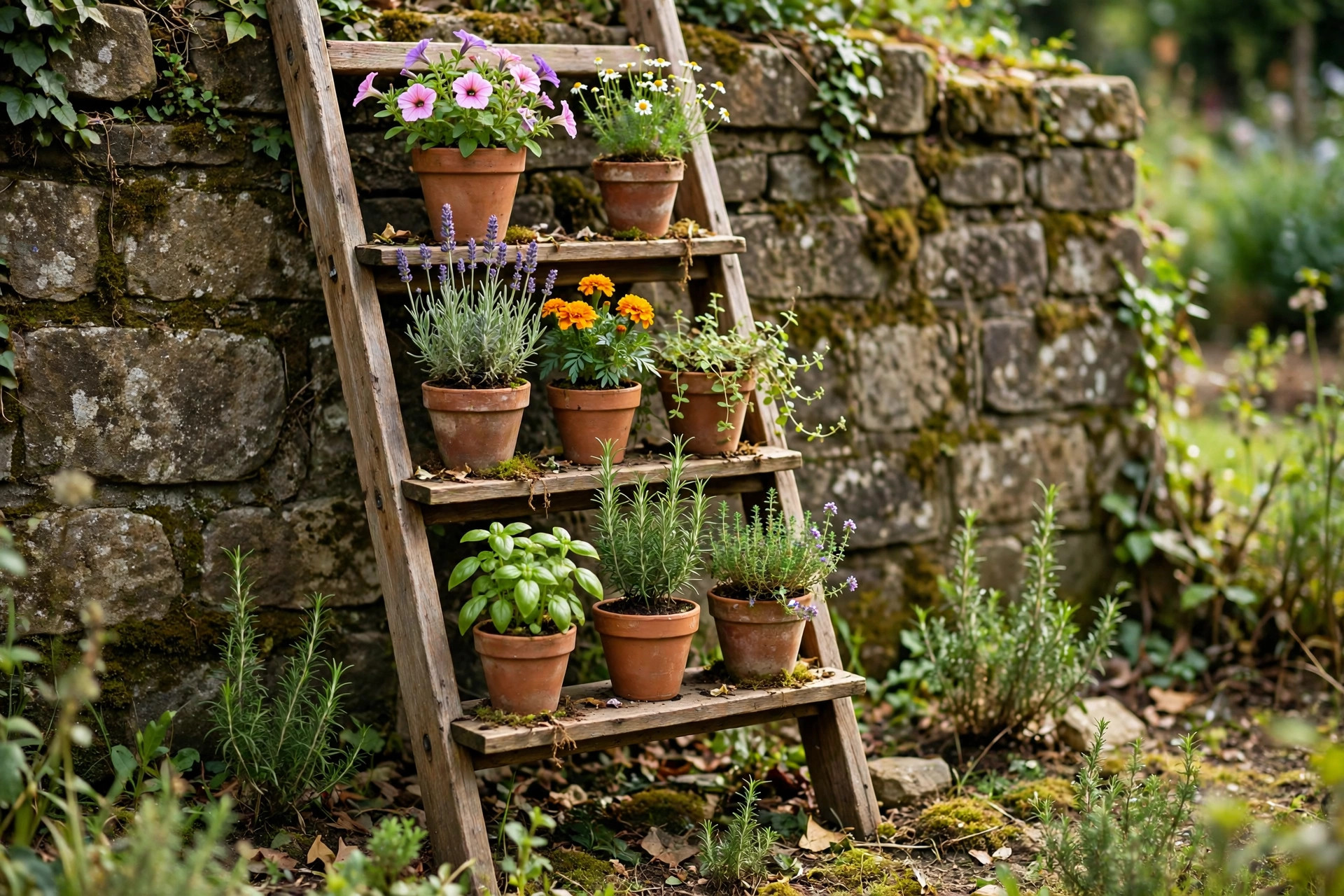
11. A ladder planter — the ladder that holds a whole garden
A ladder is the planter that holds a garden in one footprint, because each rung holds a row of pots, the ladder leans against the wall, and the corner that held one pot now holds twelve. A ladder planter is the ladder that holds a whole garden — so lean the ladder against the wall, put a board across each rung, and set a pot on every board, because the ladder that is loaded is the ladder that turns a corner into a garden. Use an old wooden ladder or build one from two side rails and rungs, because the ladder that is wood is the ladder that looks like garden furniture, and the metal ladder that is painted is the ladder that looks just as good. Fix the top of the ladder to the wall, because the ladder that is fixed is the ladder that cannot slide, and the garden that is fixed is the garden that is safe. Put the sun-lovers on the top rungs and the shade-lovers at the bottom, because the rung that gets the sun is the rung where the tomatoes grow, and the ladder that is planted by light is the ladder where everything thrives. One ladder, and the corner holds a garden.
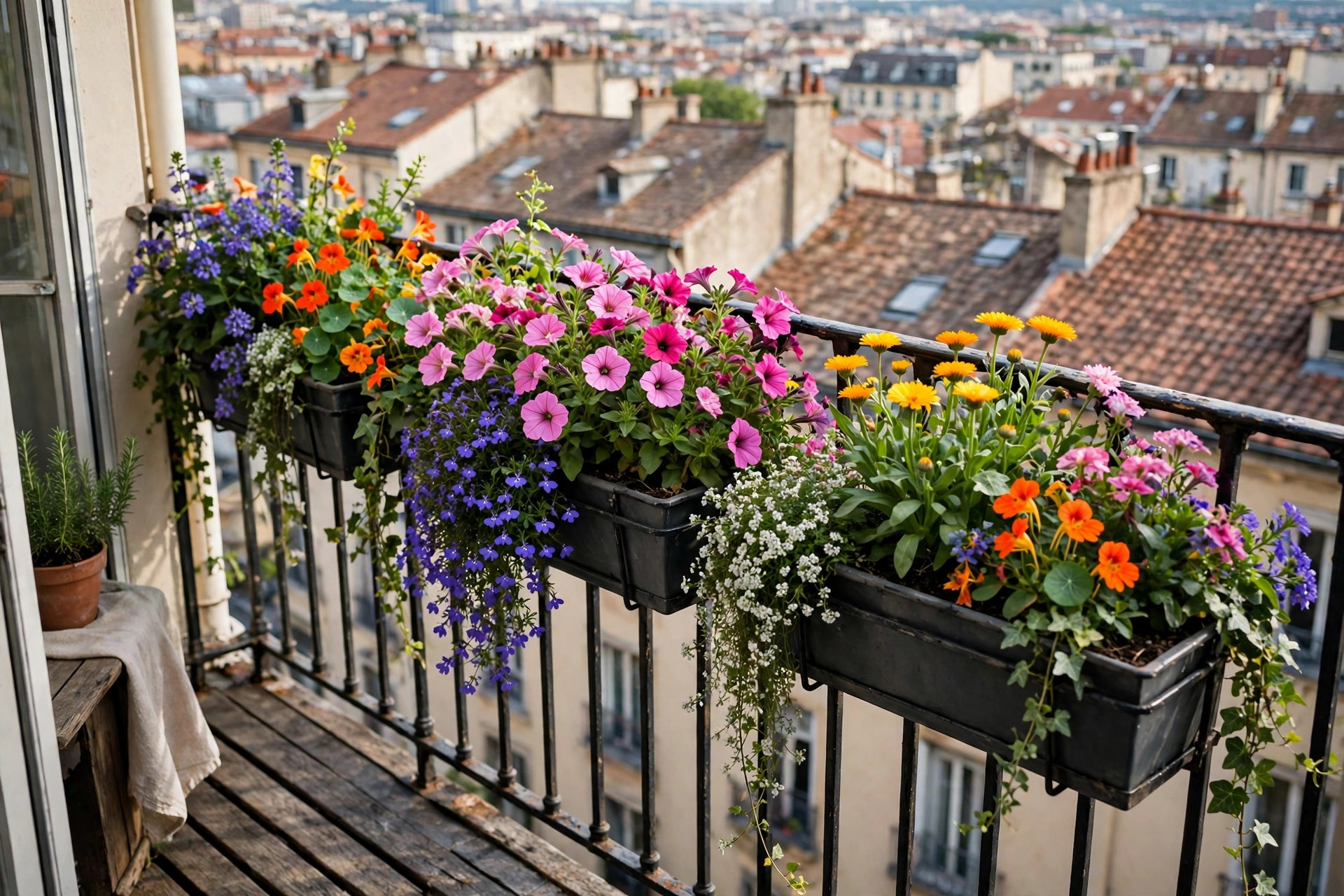
12. Railing planters for the balcony — the planter that uses the rail, not the floor
Railing planters are the planter for the balcony with no floor space, because the planter hooks over the rail, the flowers hang over the edge, and the balcony that had no room for a pot now has a garden along its whole length. Railing planters for the balcony are the planter that uses the rail, not the floor — so hook the planters over the rail, fill them with soil, and plant trailing flowers, because the rail that is planted is the rail that turns a balcony into a garden. Measure the rail before you buy, because the planter that fits the rail is the planter that hangs straight, and the planter that is too narrow is the planter that tips. Fix the planters with a bracket or a screw, because the planter that is fixed is the planter that stays put in the wind, and the balcony that is planted is the balcony that survives the storm. The balcony itself gets its full system in 18 Balcony Storage Ideas for 2026, where the rail planters share the space with the storage. Plant trailing flowers so they spill over the outside, because the flowers that spill are the flowers that make the balcony look like a garden from the street, and the floor that is clear is the floor you can stand on. One railing planter, and the balcony has a garden.
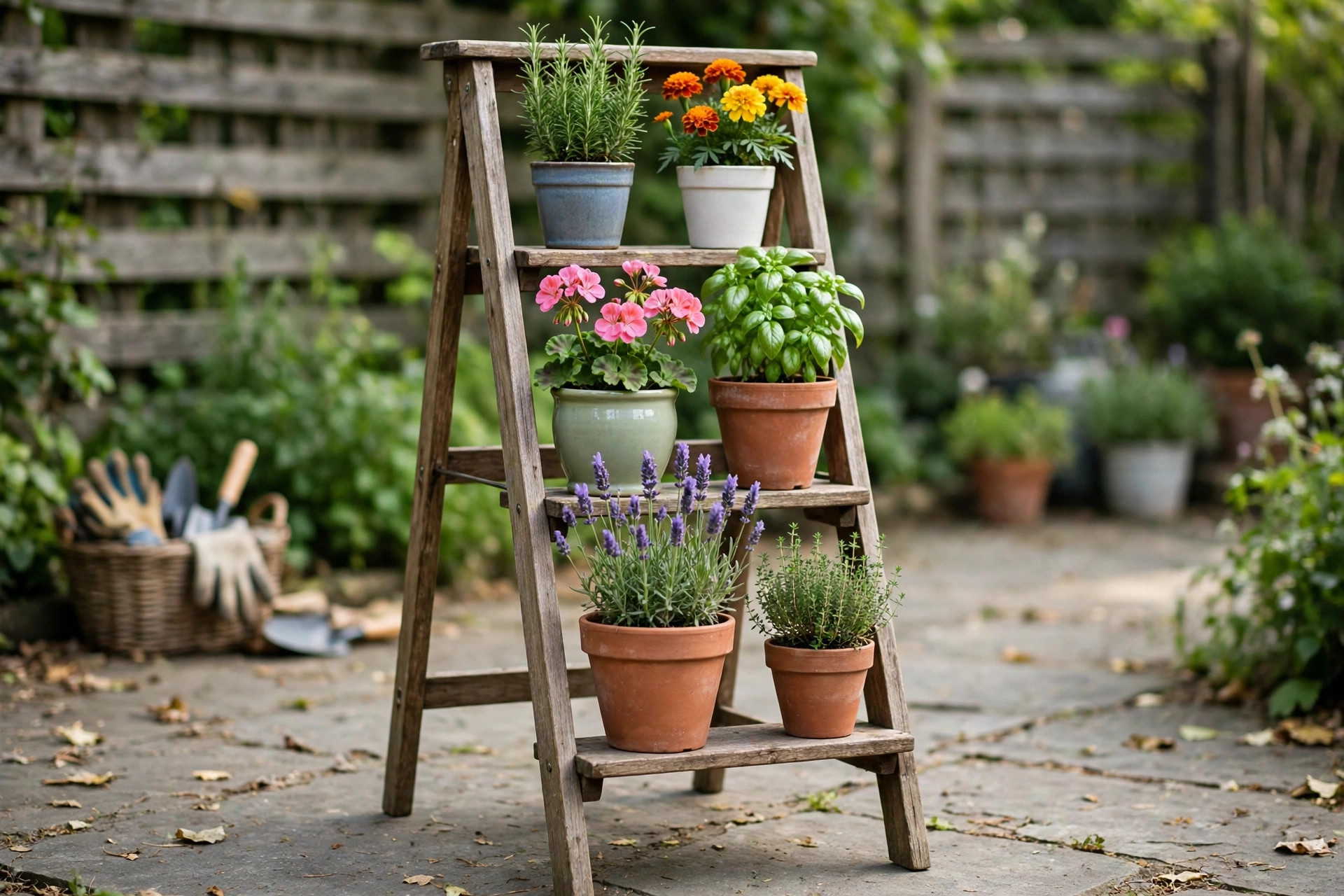
13. A tiered plant stand — the stand that fits six pots in one footprint
A tiered plant stand is the planter for the corner with one pot's worth of floor, because the stand rises in steps, each step holds a pot, and the footprint that held one plant now holds six. A tiered plant stand is the stand that fits six pots in one footprint — so build or buy a three-step stand, put the tallest plant at the back, and the shortest at the front, because the stand that is planted by height is the stand where every plant gets the light. Put the stand by the brightest window or on the sunniest part of the patio, because the stand that gets the light is the stand where every plant grows, and the corner that is dark is the corner where only the shade plants belong. Use the stand for the plants that like the same water, because the stand that is watered in one go is the stand that is easy to care for, and the plants that are grouped by thirst are the plants that all thrive together. The stand that is wood looks like furniture and the stand that is metal looks like a garden centre display, because the stand that matches the room is the stand that belongs there. One tiered stand, and the corner holds six plants.
Planters for every spot
14. Windowsill herb planters — the herbs that live where you cook
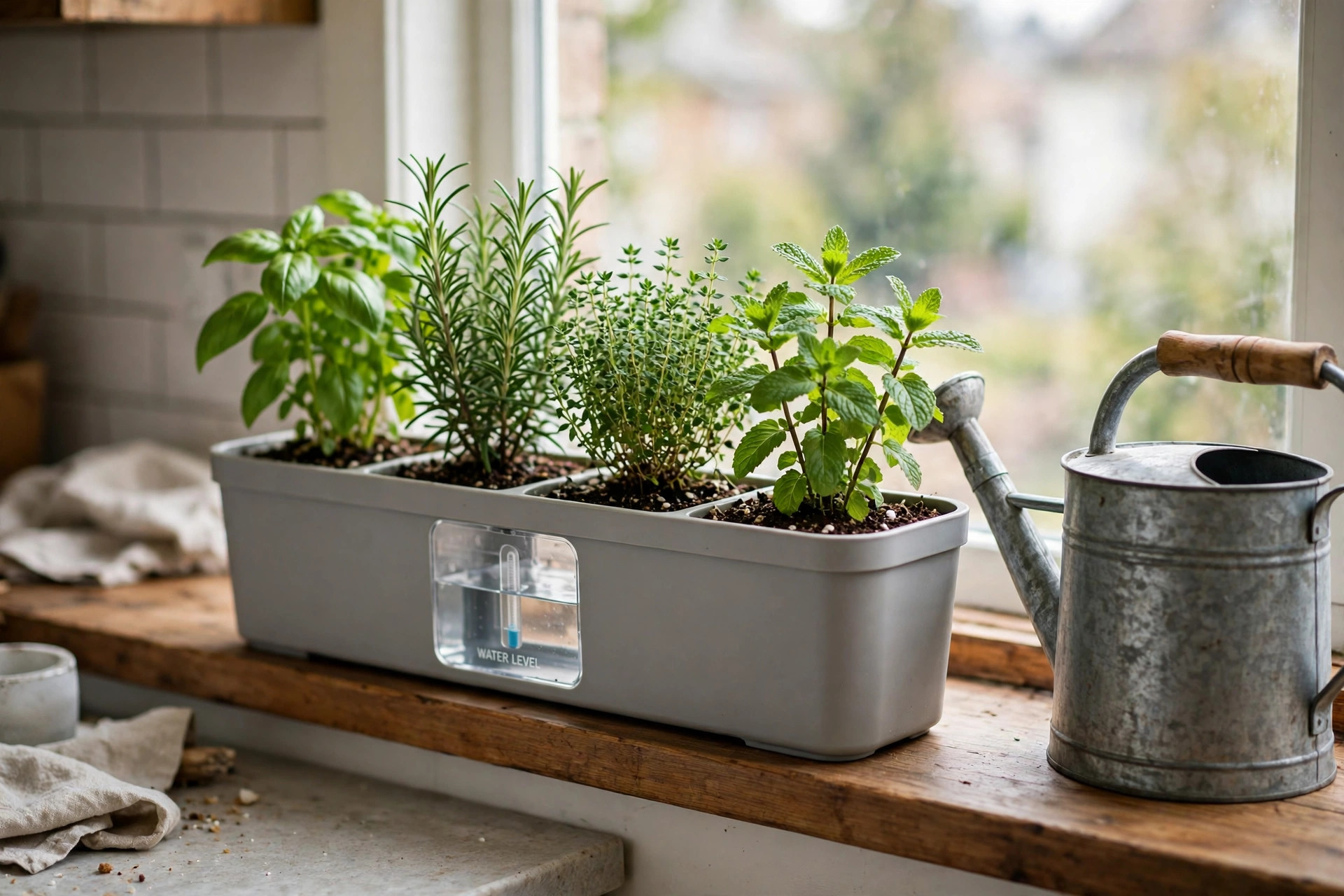
Windowsill herb planters are the planter for the cook, because the herbs live where you cook, the basil is snipped while the pasta boils, and the kitchen that grows its own herbs is the kitchen that tastes better. Windowsill herb planters are the herbs that live where you cook — so line the sill with small pots, plant one herb per pot, and keep the scissors beside them, because the sill that is planted is the sill that feeds the cooking. Grow the herbs you actually cook with, because the basil that is used is the basil that is grown, and the pot that holds a herb nobody cooks with is the pot that wastes the sill. The window boxes above the sill get their full treatment in 22 DIY Window Boxes Ideas for 2026, where the same window holds flowers outside and herbs inside. Water the sill pots little and often, because the small pot dries out faster than the big one, and the herb that is watered little and often is the herb that stays green. Label the pots, because the label that is read is the label that stops you snipping the wrong herb, and the sill that is labelled is the sill that cooks well. One windowsill, and the cooking changes.
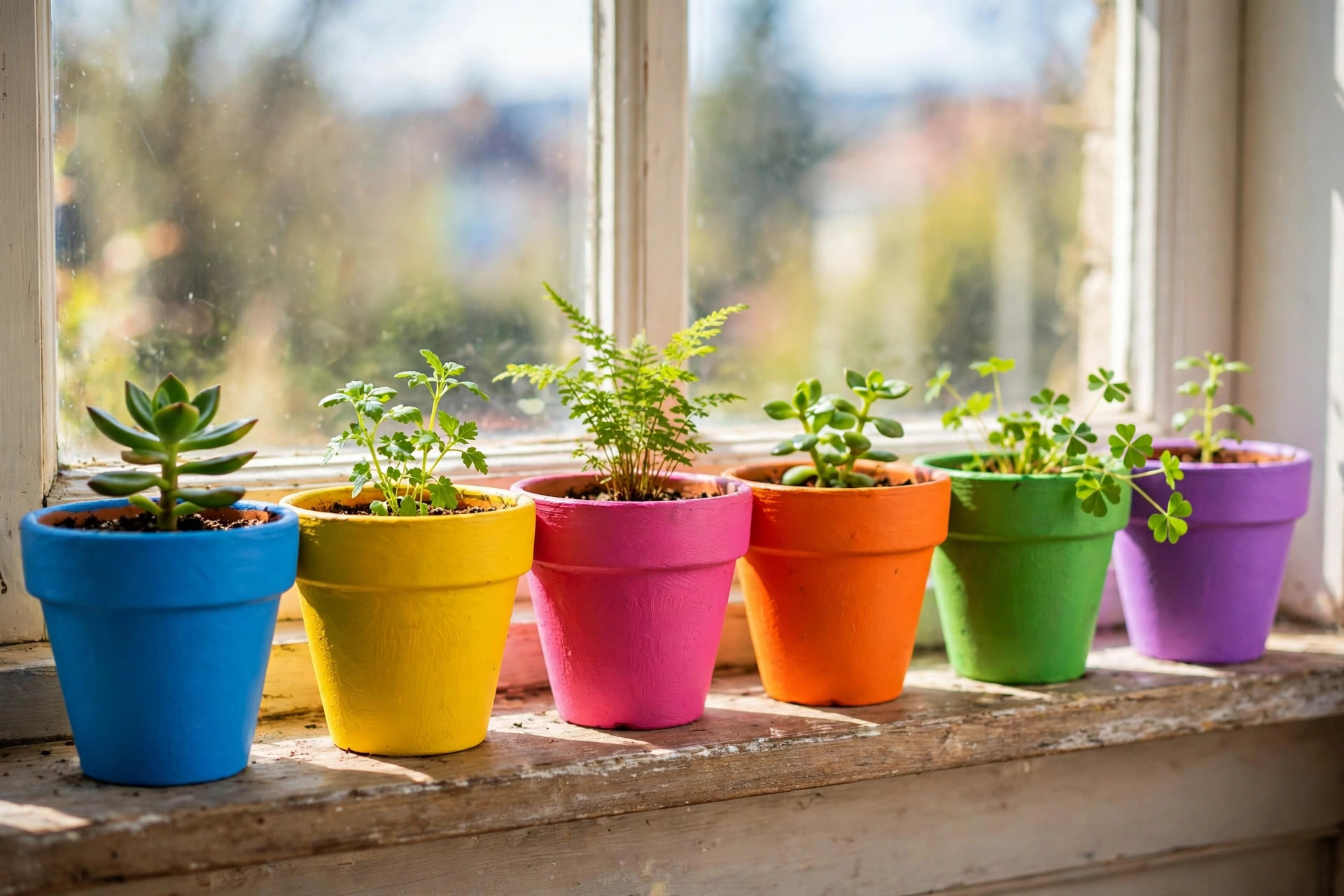
15. Porch planters that greet the door — the planters that frame the front step
Porch planters are the planter for the front door, because the planters frame the step, the door looks welcoming, and the house that holds planters by the door is the house that looks lived in. Porch planters that greet the door are the planters that frame the front step — so put one tall planter each side of the door, plant them full, and keep them watered, because the door that is framed is the door that welcomes. Use matching planters, because the pair that matches is the pair that looks planned, and the door that holds two different pots is the door that looks like an afterthought. Plant something tall in the middle and trailing plants at the edges, because the planter that is planted tall and trailing is the planter that looks like a garden centre display, and the step that is framed is the step that greets every visitor. The bench the porch planters sit beside gets its full treatment in 26 DIY Outdoor Bench Ideas for 2026, where the bench and the planters make the porch. Swap the planting with the seasons, because the planter that changes is the planter that always looks fresh, and the door that is framed all year is the door that always welcomes. Two planters, and the door greets everyone.
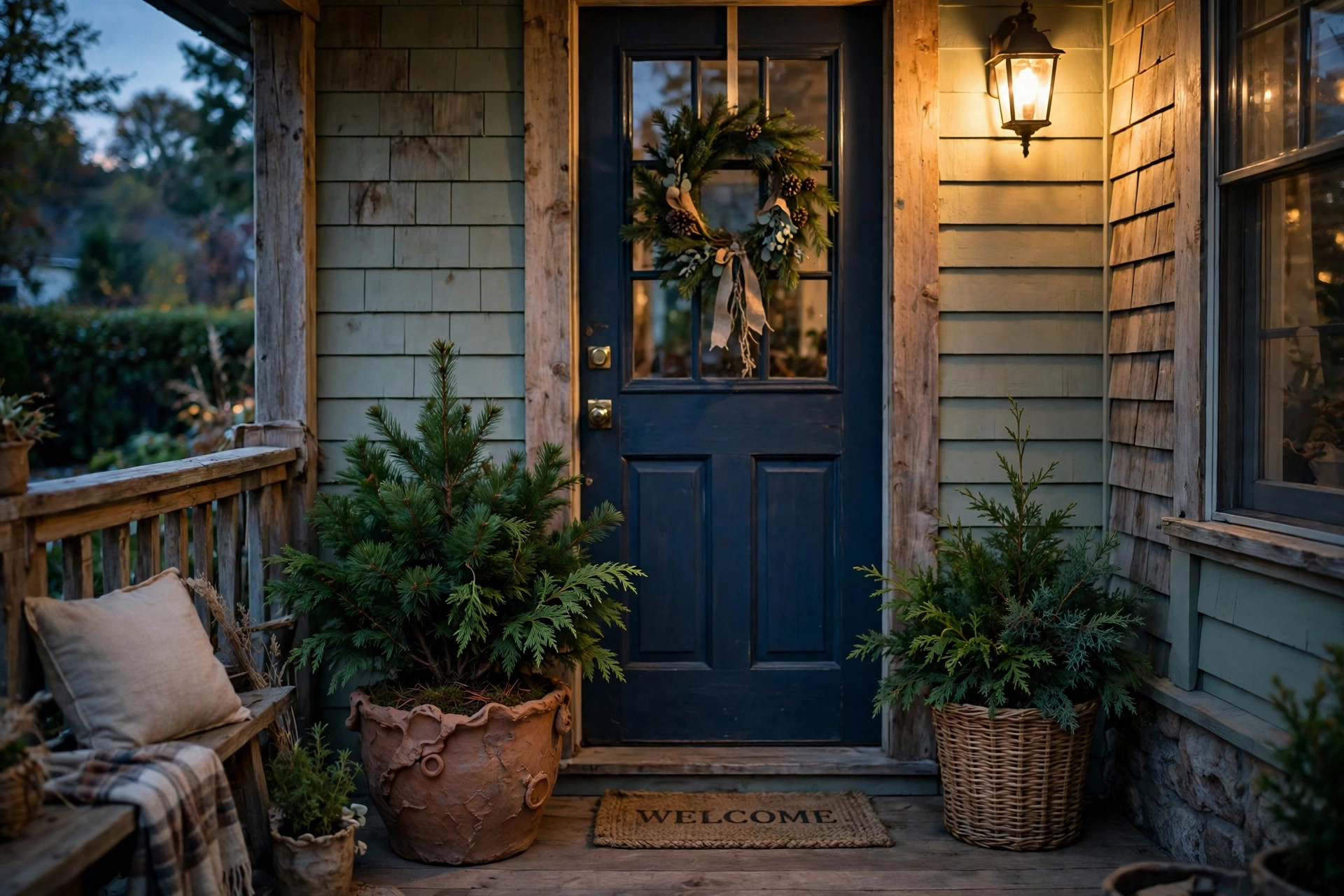
16. Patio planters for big plants — the planter that holds a small tree
Patio planters are the planter for the plant that outgrew its pot, because the big planter holds a small tree, the tree shades the patio, and the patio that holds a tree is the patio that feels like a garden. Patio planters for big plants are the planter that holds a small tree — so pick the biggest pot you can move, fill it with rich soil, and plant the tree, because the pot that is big is the pot whose tree grows. Put the big pot on a wheeled saucer, because the pot that rolls is the pot that follows the sun and moves out of the frost, and the tree that follows the sun is the tree that grows straight. Use a light soil mix with plenty of compost, because the pot that is heavy with wet soil is the pot that nobody can move, and the tree that grows in light soil is the tree whose roots breathe. Water the big pot deeply and less often, because the deep water reaches the deep roots, and the tree that is watered deeply is the tree that stands through the dry weeks. One big planter, and the patio has a tree.
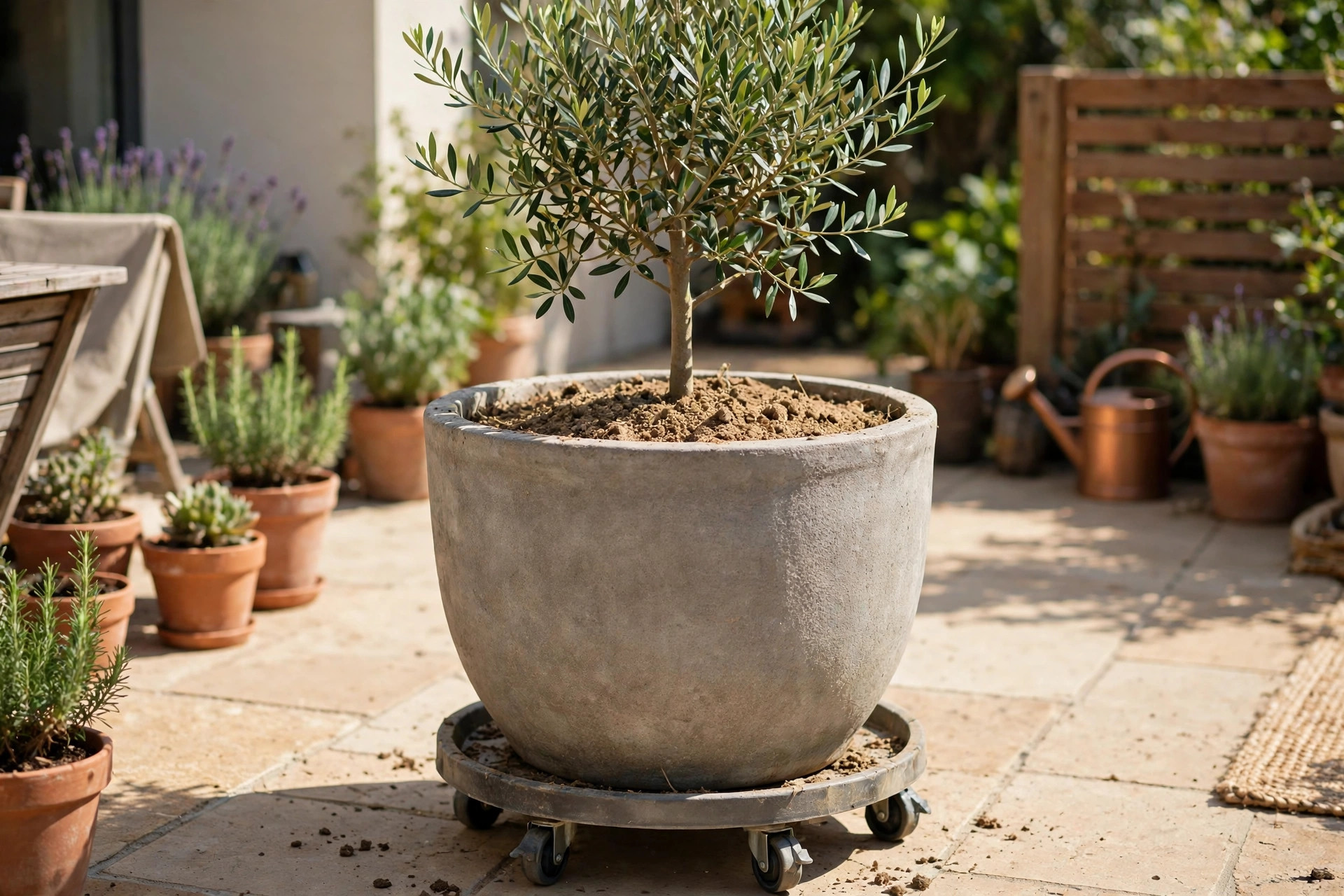
17. Balcony planters that stay put — the planter that survives the wind
Balcony planters are the planter for the windy spot, because the balcony is high, the wind is strong, and the planter that is not fixed is the planter that ends up on the pavement below. Balcony planters that stay put are the planter that survives the wind — so use heavy pots, fix them to the rail or the wall, and plant low, tough plants, because the planter that is heavy and fixed is the planter that stays put. Choose low, bushy plants over tall, floppy ones, because the plant that is low is the plant the wind cannot catch, and the balcony that is planted low is the balcony that keeps its plants. Water the balcony pots more often, because the wind dries the soil faster than the ground garden, and the pot that is watered little and often is the pot whose plants stay green. The balcony storage around the planters gets its full system in 18 Balcony Storage Ideas for 2026, where the planters share the rail with the storage. Check the fixings every spring, because the bracket that is checked is the bracket that holds, and the balcony that is checked is the balcony that is safe. One fixed planter, and the wind stops mattering.
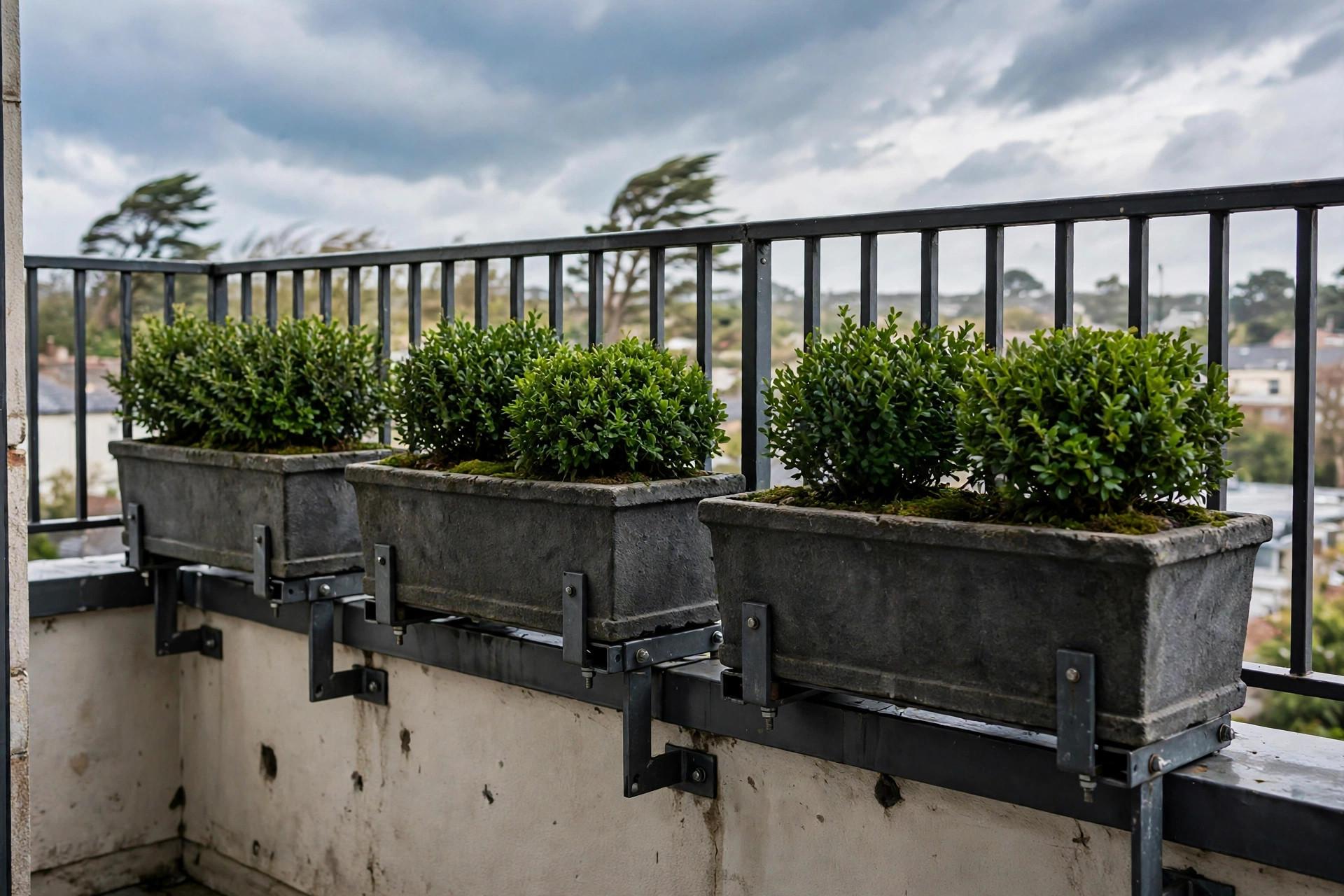
18. Indoor planters that look like decor — the planter that belongs in the living room
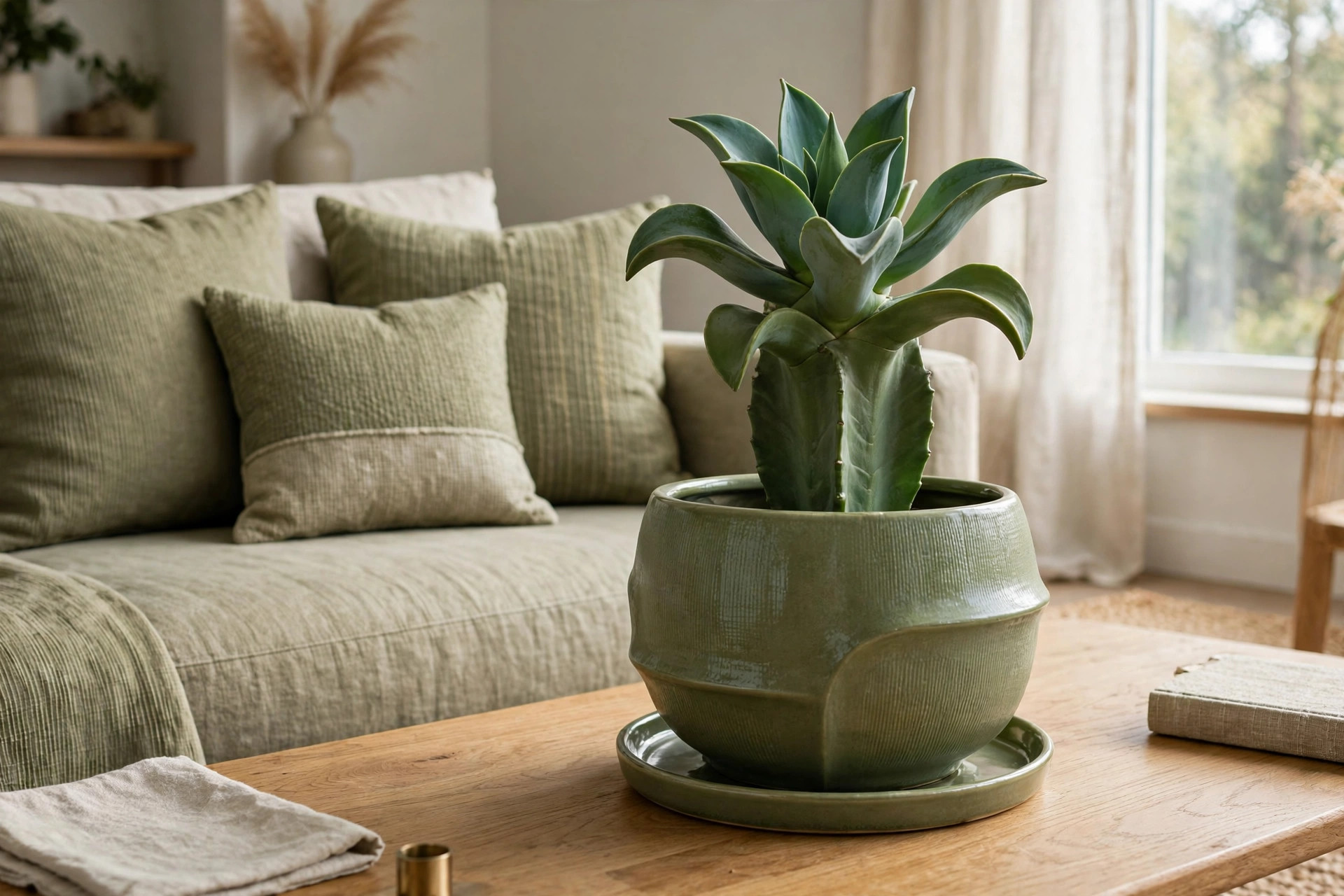
Indoor planters are the planter for the living room, because the plant is also the decoration, the pot is also the furniture, and the room that holds a planter is the room that feels alive. Indoor planters that look like decor are the planter that belongs in the living room — so pick a pot that matches the room, plant something sculptural, and set it where the light falls, because the planter that matches is the planter that looks like it was bought with the sofa. Choose the pot for the room, not the plant for the pot, because the pot that matches the cushions is the pot that belongs, and the room that holds matching pots is the room that looks styled. The indoor side of planting gets its full treatment in 25 DIY Room Decor Ideas for 2026, where the planters sit beside the handmade cushions and the gallery wall. Use a saucer under every indoor pot, because the saucer that catches the water is the saucer that saves the wooden floor, and the room that is watered carefully is the room that stays dry. Pick plants that like indoor light, because the plant that likes the light it gets is the plant that grows, and the living room that holds the right plants is the living room that stays green. One indoor planter, and the room comes alive.
19. A self-watering planter — the planter that waters itself on holiday
A self-watering planter is the planter for the holiday, because the reservoir holds the water, the wick feeds the roots, and the plant that waters itself is the plant that is alive when you come home. A self-watering planter is the planter that waters itself on holiday — so fill the reservoir before you leave, set the planter in the shade, and the plant drinks while you are away, because the reservoir that is full is the reservoir that lasts a week. Make one from two containers, with a wick from the water below to the soil above, because the wick that touches the soil is the wick that feeds the roots, and the planter that is made is the planter that costs almost nothing. Test it for a week before the holiday, because the planter that is tested is the planter you can trust, and the holiday that is tested is the holiday that comes home to green plants. The water feature that keeps the garden damp gets its full treatment in 20 DIY Water Fountain Ideas for 2026, where the water does the work while you are away. Use self-watering planters for the thirsty plants and the ordinary pots for the rest, because the planter that waters itself is the planter for the plant that cannot wait. One self-watering planter, and the holiday is safe. (Check on Amazon for a self-watering planter insert with a water reservoir and wick.)
Keep them alive and looking good
20. Drill the drainage holes first — the holes that stop root rot
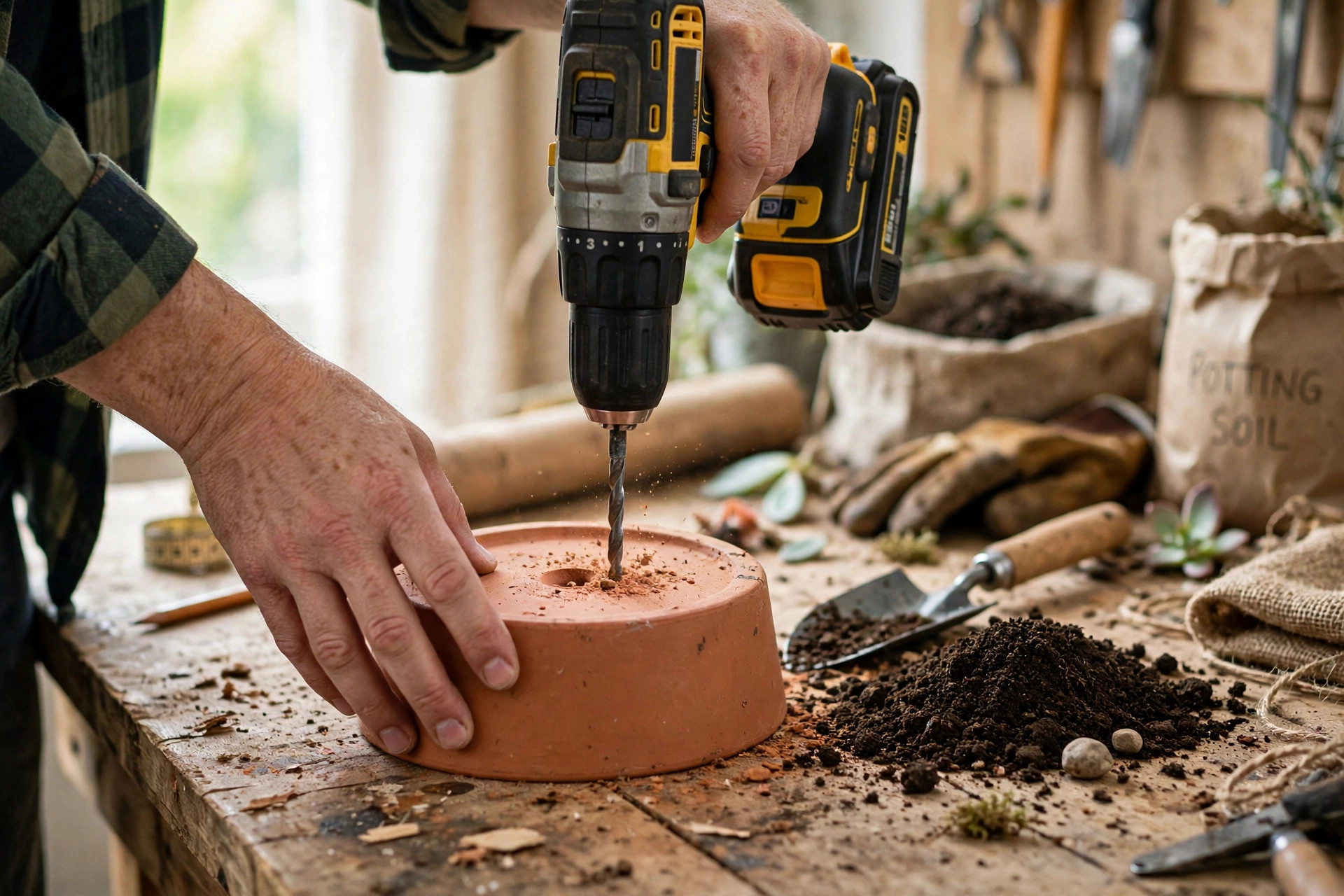
Drainage holes are the planter detail that matters most, because the pot without holes holds water, the roots sit in water, and the plant that drowns is the plant that dies while looking watered. Drill the drainage holes first — the holes that stop root rot — so every pot you make gets holes before it gets soil, because the pot that drains is the pot whose plant lives. Drill three to five holes in the bottom of every hard planter, because the holes that are drilled are the holes that let the extra water out, and the plant that drains is the plant whose roots breathe. For jars and cans with no holes, put a layer of pebbles at the bottom, because the pebbles are the drainage that a hole would give, and the jar that holds pebbles is the jar whose roots stay out of the water. Check the holes every spring, because the hole that is blocked is the hole that does not drain, and the pot that is checked is the pot that keeps its plant. Five holes, and the root rot stops.
21. The right soil for the pot — the mix that feeds, not drowns
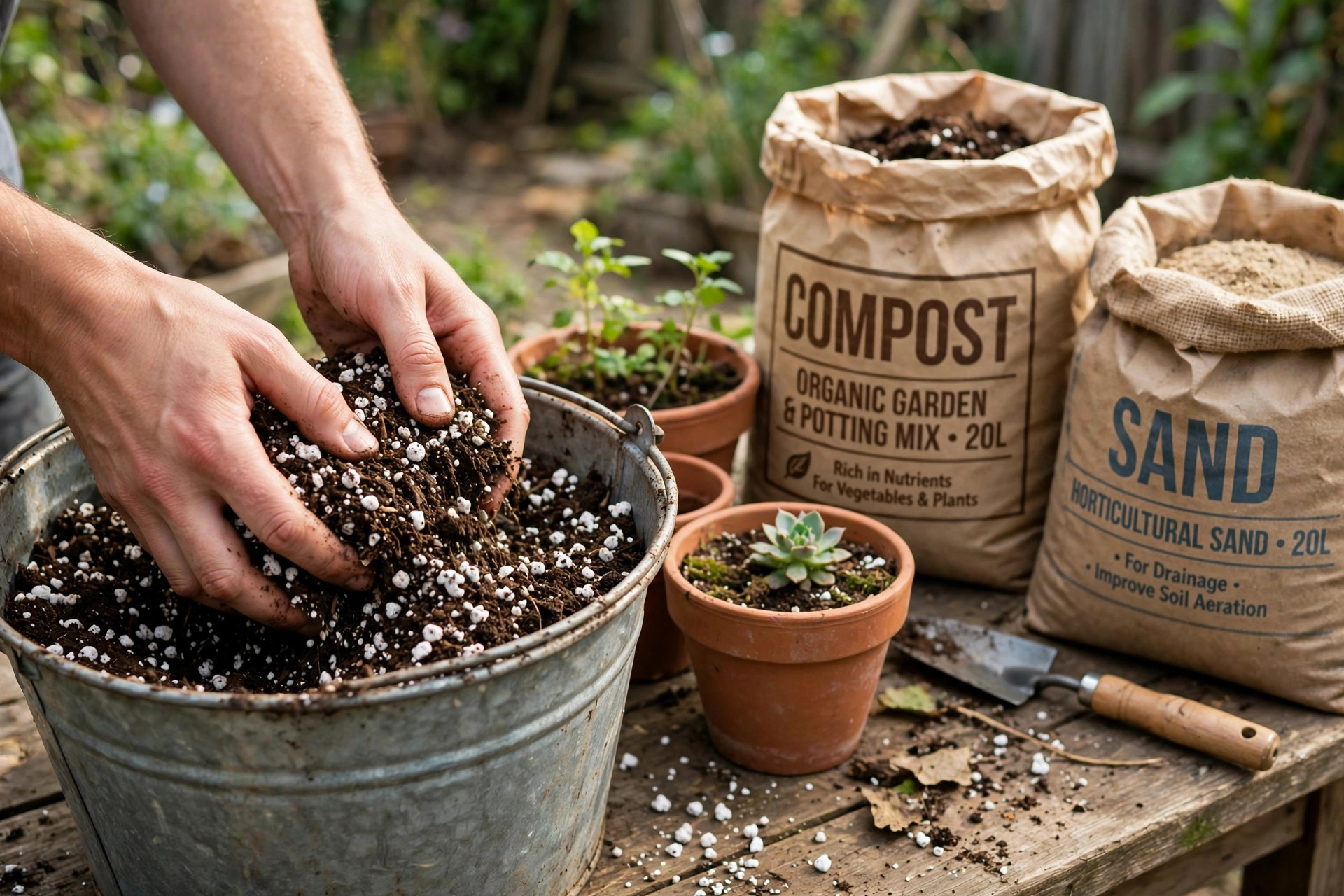
Soil is the planter ingredient that decides everything, because the soil that is heavy holds water, the soil that is light drains too fast, and the plant that grows in the wrong soil is the plant that never grows at all. The right soil for the pot is the mix that feeds, not drowns — so mix compost with perlite for most plants, add sand for the herbs, and the pot that is filled with the right mix is the pot whose plant thrives. Use fresh compost every time you replant, because the compost that is fresh is the compost that feeds, and the pot that is filled with last year's tired soil is the pot whose plant starves. Never fill a planter with garden soil alone, because the garden soil that is heavy is the soil that sets like concrete in a pot, and the plant that grows in concrete is the plant that cannot breathe. Top up the soil every spring, because the soil that settles is the soil that drops, and the pot that is topped up is the pot that looks full. One good mix, and the plants feed themselves.
22. Water little and often — the routine that keeps plants alive
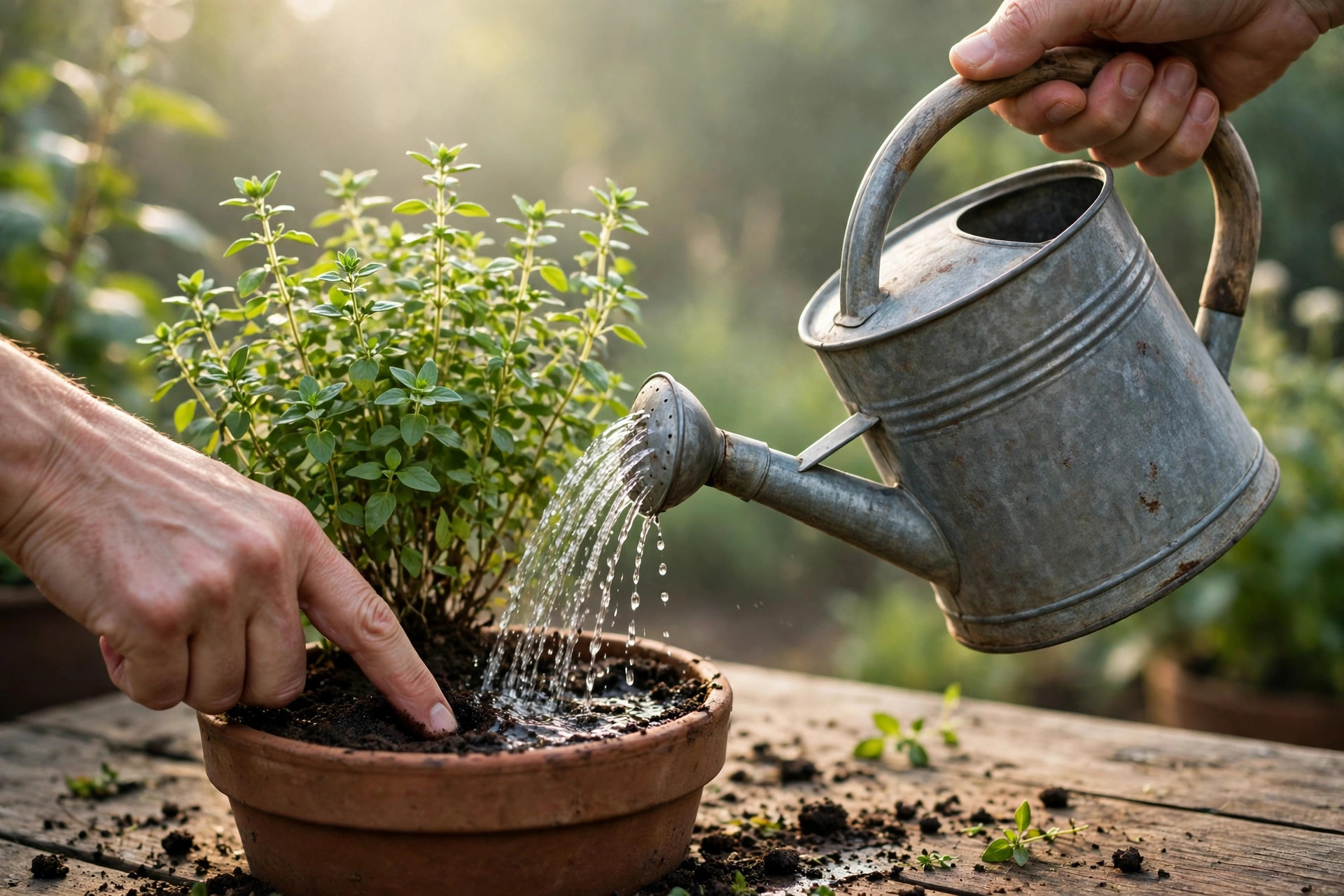
Watering is the planter habit that kills more plants than anything else, because the plant that is drowned rots, the plant that is dried out crisps, and the plant that is watered little and often is the plant that lives. Water little and often is the routine that keeps plants alive — so check the soil with a finger before you water, and water only when the top inch is dry, because the finger that checks is the finger that stops the drowning. Water in the morning, because the water that is given in the morning is the water the plant uses all day, and the leaves that are wet at night are the leaves that go mouldy. Water the soil, not the leaves, because the water that hits the leaves is the water that evaporates, and the water that hits the soil is the water that reaches the roots. Keep a watering can by the planters, because the can that is beside the pots is the can that gets used, and the routine that is easy is the routine that happens. One finger check, and the plants live.
23. A seasonal swap — summer flowers out, evergreens in
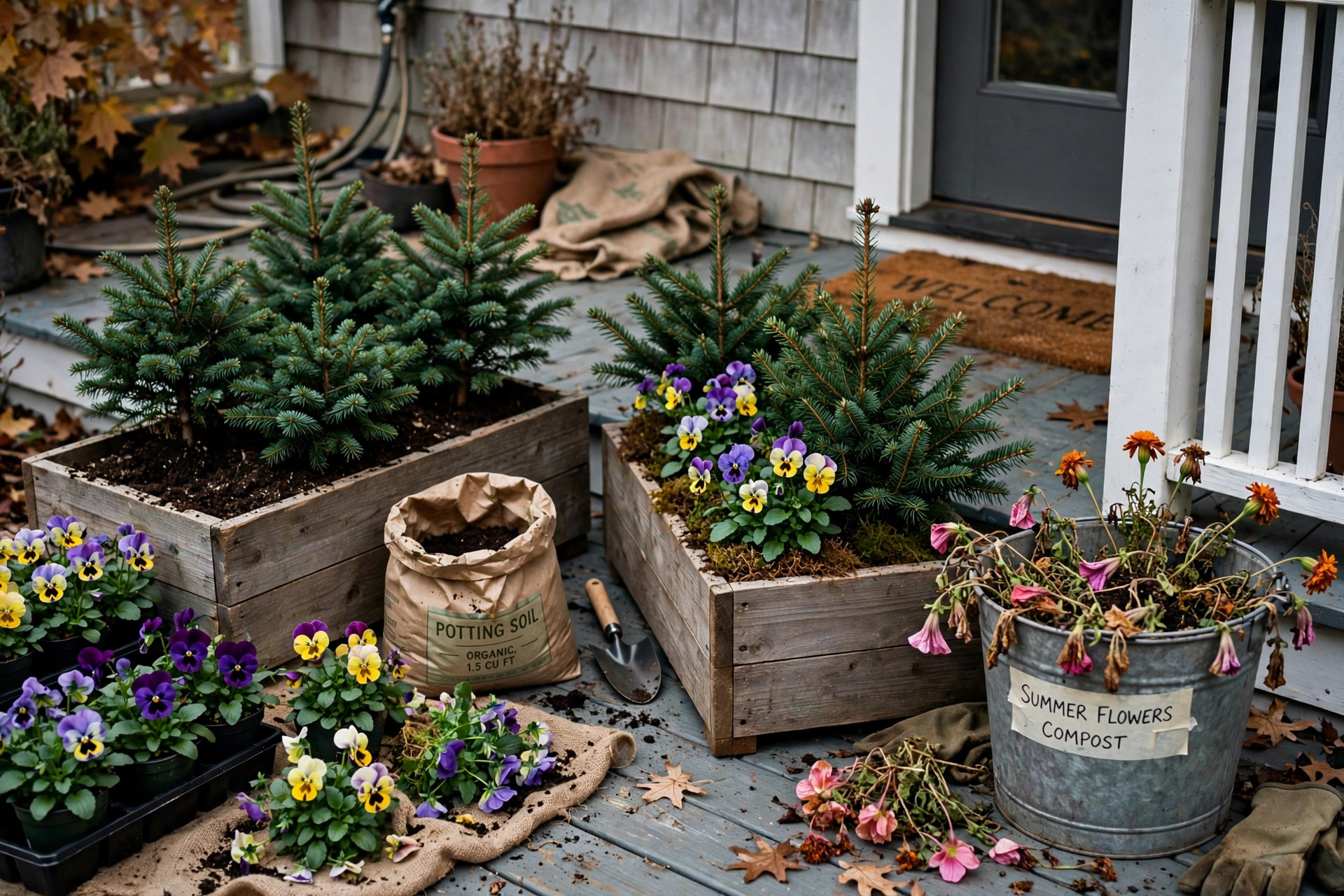
A planter that holds summer flowers in December is a planter that looks dead, because the flowers are gone, the stems are bare, and the porch that held colour all summer now holds brown sticks. A seasonal swap is the change that keeps the planters alive all year — so swap the summer flowers out in autumn, plant evergreens and winter pansies in, and the porch that was colourful in July is colourful in January too. Swap twice a year, after the last frost and before the first, because the swap that follows the frost is the swap that plants at the right time, and the planter that is swapped is the planter that never looks dead. Keep the summer pots in the garage while the winter ones are out, because the pot that is stored is the pot that is ready for spring, and the garage that holds the spare pots gets its full system in 25 Garage Storage Ideas for 2026. Compost the dead plants as you swap, because the swap that composts is the swap that feeds next year's soil, and the planter that is swapped is the planter that always looks alive. One swap a season, and the porch never looks dead.
24. Winter care for outdoor planters — the pots that survive the frost
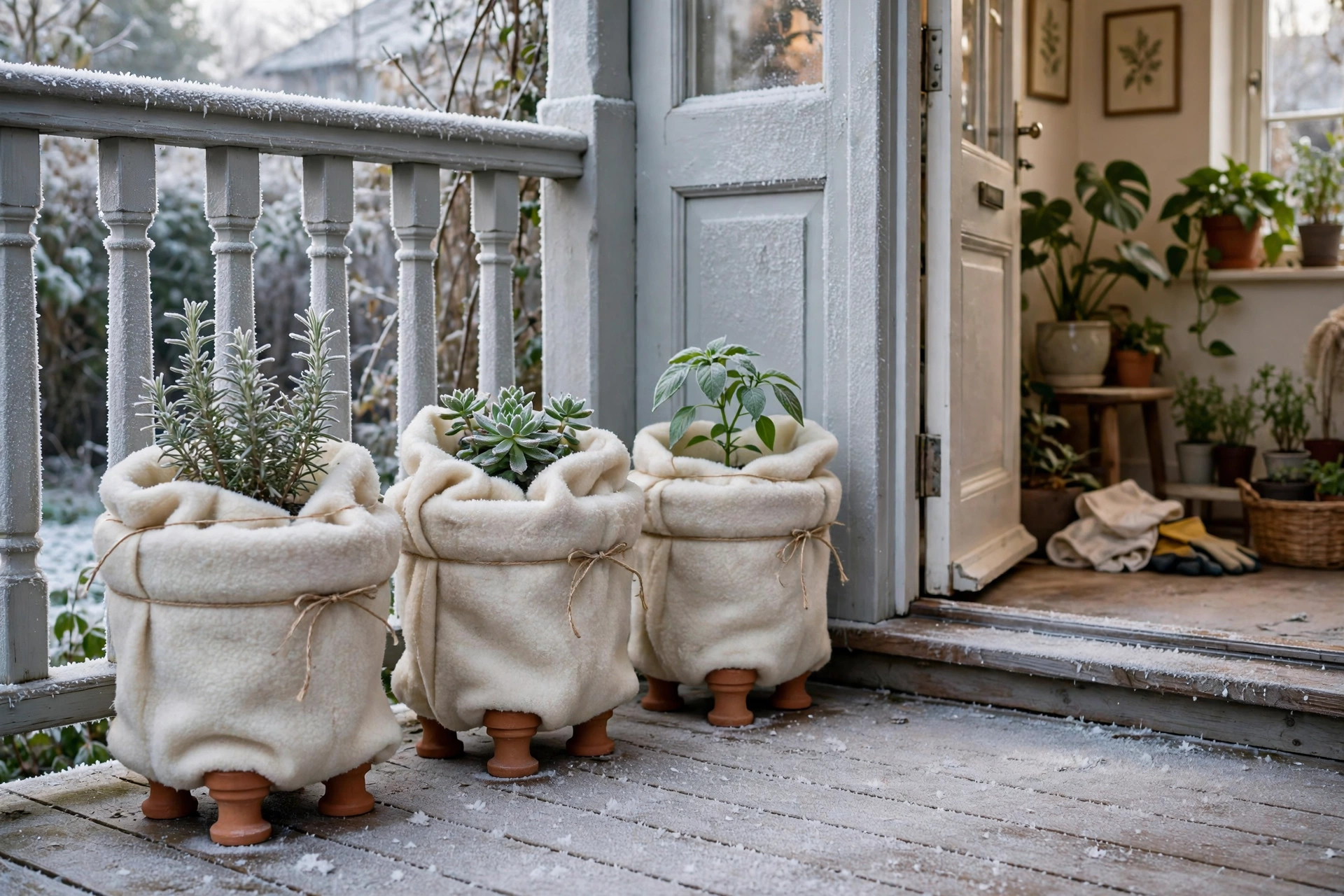
Winter is the season that kills planters, because the frost cracks the pots, the frozen soil splits the terracotta, and the planter that was beautiful in August is in pieces by February. Winter care for outdoor planters is the work that saves the pots — so move the tender pots to shelter, wrap the rest in fleece, and raise every pot off the ground on feet, because the pot that is raised is the pot whose water drains instead of freezing. Wrap terracotta pots in bubble wrap or fleece, because the pot that is wrapped is the pot whose clay does not crack, and the pot that is left bare is the pot that splits at the first hard frost. Empty the pots that hold nothing, because the pot that holds wet soil is the pot that freezes and cracks, and the pot that is empty is the pot that survives. Bring the tender plants inside, because the plant that is inside is the plant that lives to go out again in spring, and the porch that is cared for in winter is the porch that is ready in spring. One wrap, and the frost stops mattering.
25. Label every planter — the label that stops the guessing
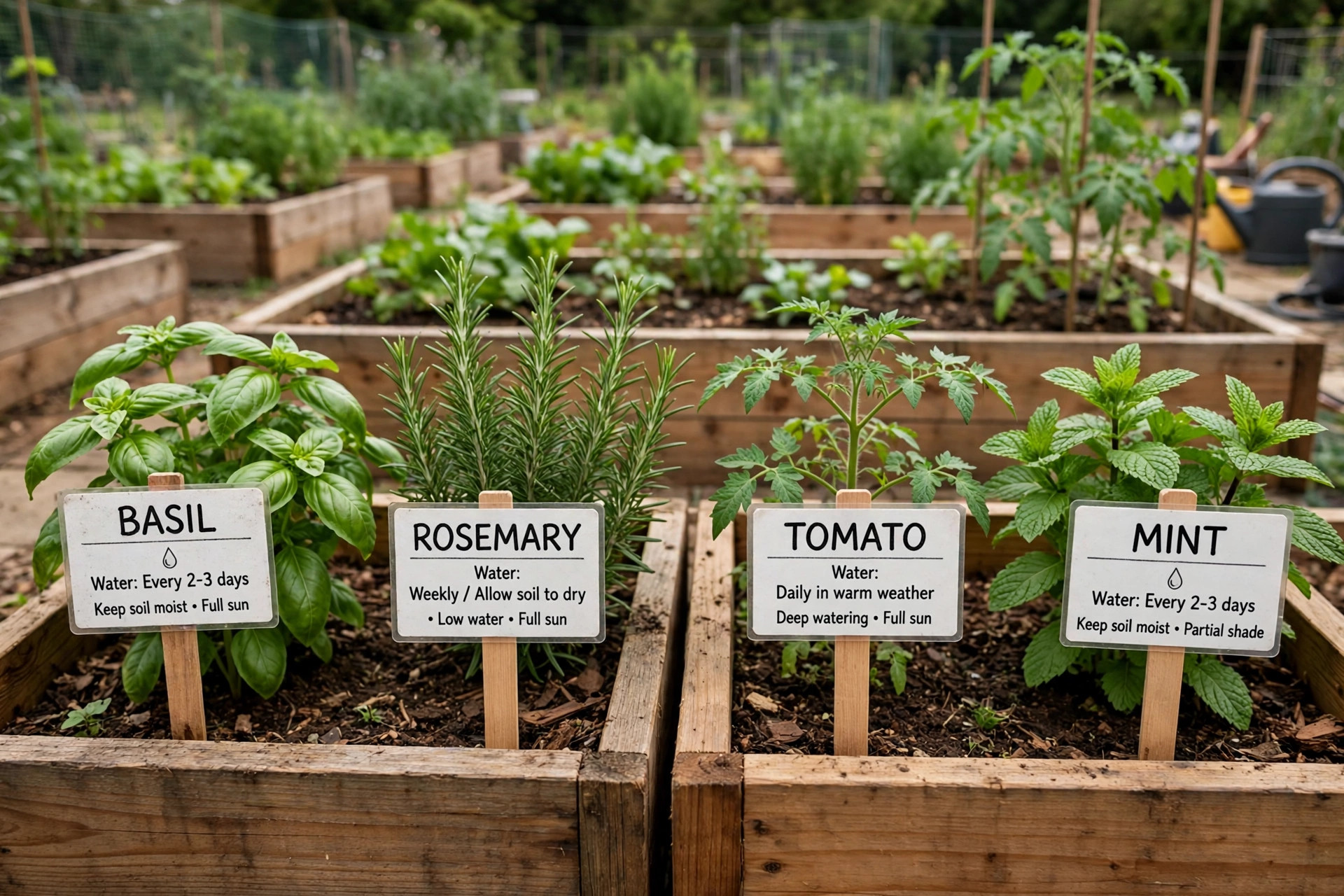
Planters without labels are planters you have to guess, because the seedling that looks like a weed is actually the herb, the bulb that is sprouting is actually the tulip, and the planter that is unlabelled is the planter you water wrong. Label every planter is the rule that stops the guessing — so write the plant's name on a label, stick it in the soil, and the planter that is labelled is the planter you care for properly. Label at planting time, because the label that is written at planting is the label that is right, and the planter that is labelled later is the planter whose label is a guess. Use weatherproof labels or write on wooden sticks, because the label that survives the rain is the label that is read in July, and the stick that is written in pencil is the stick that fades by June. Label the watering needs too, because the label that says "water little" is the label that stops the drowning, and the garden that is labelled is the garden that is watered right. One label, and the guessing stops.
26. A five-minute tidy every Sunday — the habit that keeps the porch pretty
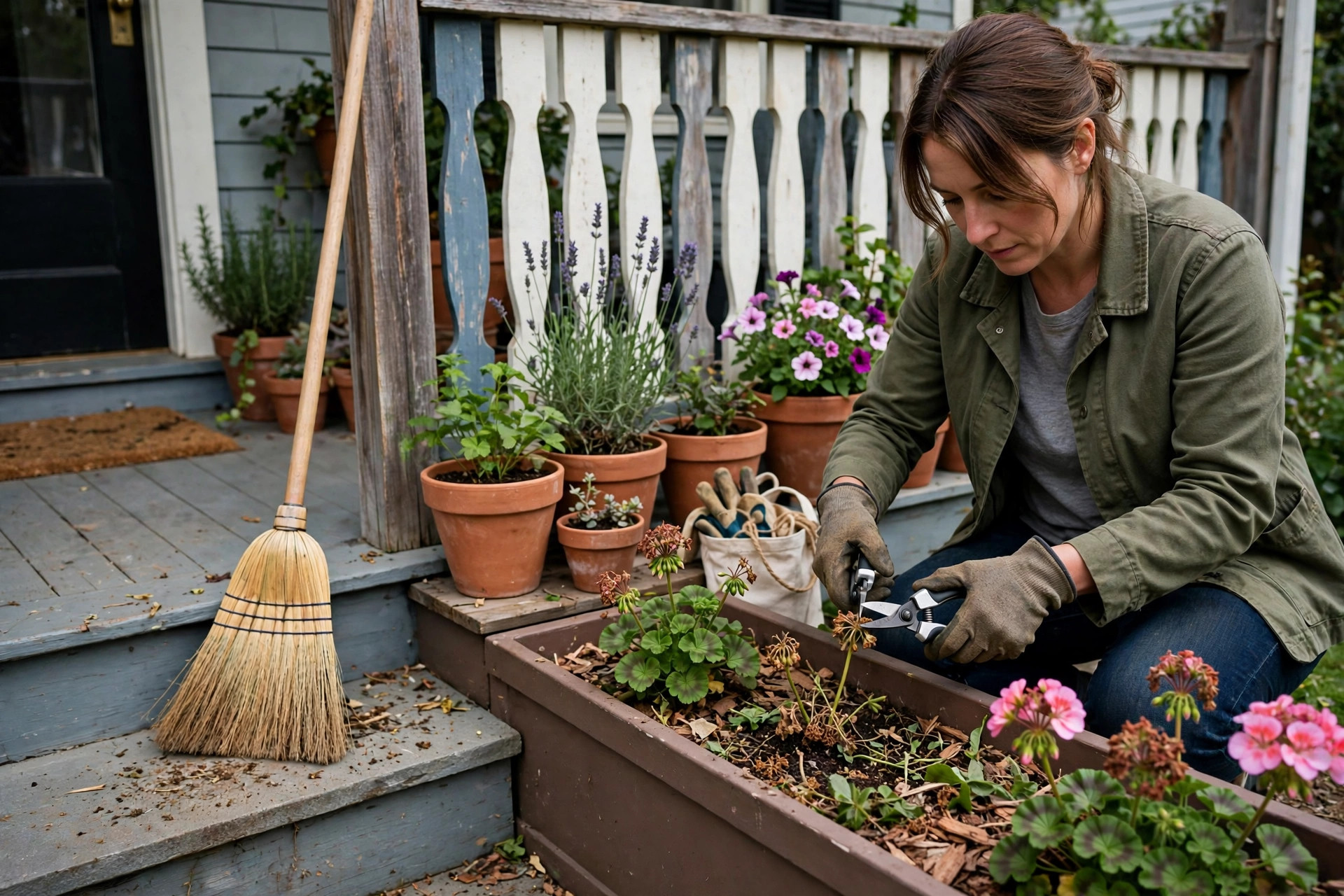
No porch stays pretty without a habit, because the porch is only tidy on the day you plant it and the dead leaves creep back one day at a time. A five-minute tidy every Sunday is the habit that keeps the porch pretty — so deadhead the spent flowers, pick off the yellow leaves, sweep the step, and the porch is pretty before the week starts, because the tidy that takes five minutes is the tidy that actually happens. Keep a small pair of secateurs by the door, because the secateurs that are beside the planters are the secateurs that get used, and the deadhead that is done weekly is the deadhead that keeps the flowers coming. The tools themselves get their full treatment in 22 Garden Tool Organization Ideas for 2026, where the secateurs live in one place. Bin the dead leaves as you go, because the leaf that is binned at once is the leaf that never becomes clutter, and the porch that is tidied every Sunday is the porch that is pretty every Monday. Five minutes a week, and the porch never needs a big clean.
Which DIY planters idea fits which situation?
| Situation | Best first move | Budget | Tools needed |
|---|---|---|---|
| Never made a planter | Painted terracotta pots (idea 1) | Low | Paint, brush |
| No budget at all | Tin can planters (idea 2) | Free | Tin opener |
| Herbs on the kitchen sill | Mason jar planters (idea 3) | Low | Jars, soil |
| Small balcony, no floor space | Railing planters (idea 12) | Low | Brackets |
| Bare wall in the garden | A pallet planter (idea 10) | Low | Pallet, screws |
| Big plant, small patio | Patio planters (idea 16) | Low | Large pot |
| Plants die from overwatering | Drainage holes (idea 20) | Free | Drill |
| Going on holiday | Self-watering planter (idea 19) | Low | Insert |
| Frost coming | Winter care (idea 24) | Free | Fleece |
| Can't remember what's planted | Label every planter (idea 25) | Free | Labels |
| Porch looks bare | Porch planters (idea 15) | Low | Pots, plants |
| Planters taking over | Five-minute tidy (idea 26) | Free | None |
You do not need all 26 ideas. You need the three that solve your bare porch — usually the painted terracotta pot that starts the habit, the crate that becomes a garden box, and the drainage holes that keep the plants alive. Start with the painted pot, do it this weekend before the next sunny day, and put a plant in it. Do that and the porch will look loved by Monday, the herbs will be on the sill where you cook, and the planters will be the cheapest garden you ever made.
Save this post for the next planting season, and if the window boxes above the planters need the same treatment, read 22 DIY Window Boxes Ideas for 2026 next — it is Post 83, the boxes that hang under the same windows — and 26 DIY Yard Decor Ideas for 2026, Post 21, for the yard the planters live in. This is the ninth post of the new DIY by project run — Posts 81 to 100, one project at a time — and the run keeps going with the wall shelves next door. The wall shelves themselves get their own deep dive in DIY Wall Shelves, where the planters sit on the shelves instead of the floor.
Publish date assigned at publishing time. Updated as new DIY planters finds are tested.
Frequently asked questions
What is the best material for a DIY planter?
Terracotta is the best all-round material for a DIY planter, because the clay breathes so the roots stay cool, it is cheap, and it takes paint well. Wood is best for big planters like crates and pallets, because it is light enough to move and looks rustic. Concrete is best for windy spots, because the weight stops the planter blowing over. Whatever the material, drill drainage holes first — the pot that drains is the pot whose plant lives — and use a light soil mix with compost and perlite so the roots can breathe.
Do DIY planters need drainage holes?
Yes — every hard planter needs drainage holes, because the pot without holes holds water, the roots sit in water, and the plant drowns while looking watered. Drill three to five holes in the bottom of every pot, crate and bucket before you fill it with soil, and check the holes every spring in case they are blocked. For jars and cans with no holes, put a layer of pebbles at the bottom instead — the pebbles are the drainage that a hole would give — and water little and often so the roots never sit in standing water.
What plants grow best in a DIY planter?
Herbs grow best in small DIY planters, because basil, mint, parsley and rosemary need little room and get used every day in the kitchen — one herb per pot, on the sunniest sill. Trailing plants like lobelia and ivy grow best in hanging and railing planters, because the plants that spill are the plants that show off the height. For big patio planters, grow tomatoes, small shrubs or a dwarf tree, because the pot that is big is the pot whose plant has room to grow. Pick the plant for the light the spot gets — sun-lovers on the sunny side, shade-lovers in the shade — and the planter that is planted by light is the planter where everything thrives.